- Benefits of an HVAC System for Comfort
- Energy Efficiency and Cost Savings
- Improved Air Quality
- Enhanced Productivity
- Health and Safety
- Increased Property Value
- Reduced Maintenance Costs
- Extended Equipment Lifespan: What Are The Benefits Of An HVAC System?
- Customization and Control
- Sustainability and Environmental Impact
- Integration with Smart Home Systems
- Types of HVAC Systems
- Maintenance and Troubleshooting
- Quick FAQs
What are the benefits of an HVAC system? This question delves into the multifaceted advantages of heating, ventilation, and air conditioning systems, exploring their impact on our comfort, energy consumption, indoor air quality, and overall well-being. HVAC systems play a crucial role in creating and maintaining optimal indoor environments, contributing to a wide range of benefits for residential, commercial, and industrial buildings.
From regulating temperature and humidity to filtering pollutants and improving air quality, HVAC systems provide a comprehensive solution for enhancing the spaces we inhabit. By delving into the specific benefits of HVAC systems, we gain a deeper appreciation for their role in shaping our indoor environments and promoting a healthier, more comfortable, and productive living experience.
Benefits of an HVAC System for Comfort
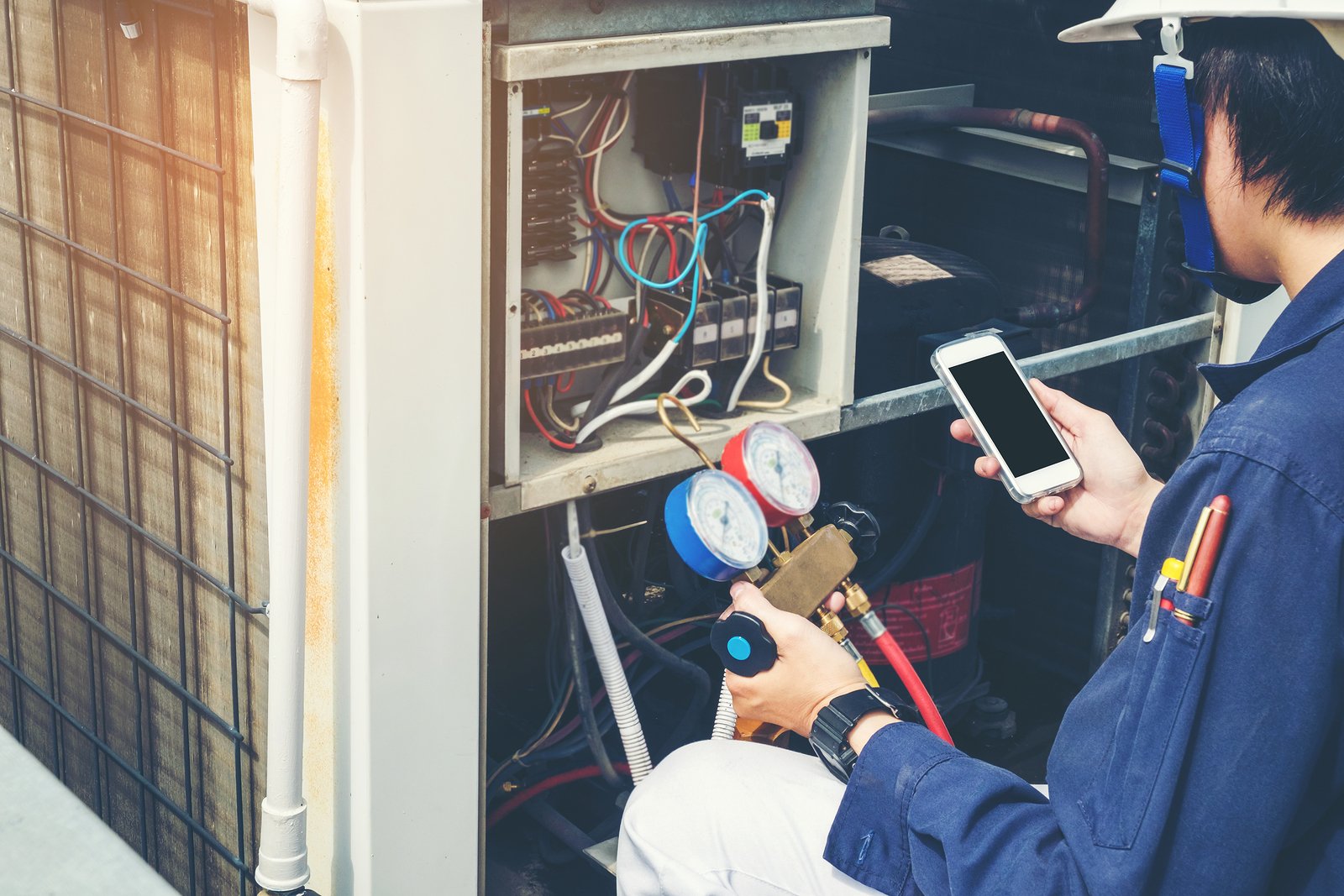
HVAC systems play a vital role in maintaining optimal indoor temperatures, ensuring a comfortable living environment. These systems are designed to regulate the temperature within a specific range, providing warmth during cold weather and cooling during hot weather. The ability to control indoor temperatures contributes to increased comfort and productivity, especially in extreme weather conditions.
Temperature Control
HVAC systems maintain specific temperature ranges for optimal comfort levels. Thermostats, which are typically wall-mounted devices, allow users to set desired temperatures. The system then automatically adjusts the temperature of the air circulated throughout the space to match the thermostat setting.
Zoning systems can be incorporated into HVAC systems to create different temperature zones within a building, allowing for customized comfort levels in different areas.
Humidity Control
HVAC systems also regulate humidity levels to prevent excessive dryness or moisture. Dry air can cause skin irritation, respiratory problems, and damage to furniture and artwork. Conversely, high humidity levels can lead to mold growth, condensation, and a musty odor.
HVAC systems use humidifiers or dehumidifiers to control humidity levels, ensuring a comfortable and healthy indoor environment.
Air Quality Improvement
HVAC systems contribute to improved indoor air quality by removing pollutants and allergens. Air filters capture dust, pollen, and other particles from the air, while ventilation systems circulate fresh air from outside, diluting indoor pollutants. This improved air quality reduces the risk of respiratory problems, allergies, and other health issues.
Real-World Examples
HVAC systems have significantly enhanced the comfort of residential, commercial, and industrial buildings. In residential settings, HVAC systems provide year-round comfort, allowing families to enjoy a comfortable home environment regardless of the outdoor temperature. In commercial buildings, HVAC systems ensure a productive and comfortable workspace for employees and customers.
In industrial settings, HVAC systems maintain optimal conditions for manufacturing processes and equipment operation.
Energy Efficiency and Cost Savings
HVAC systems play a pivotal role in enhancing the energy efficiency of buildings, leading to significant cost savings. They optimize the distribution and regulation of heating, ventilation, and air conditioning, reducing energy consumption and minimizing utility bills.
HVAC systems employ various energy-saving technologies, including:
Energy-Efficient HVAC Technologies
- Variable Speed Drives (VSDs):VSDs adjust the speed of HVAC motors based on demand, reducing energy consumption during periods of low usage.
- Energy Recovery Ventilators (ERVs):ERVs transfer heat and moisture between incoming and outgoing air, reducing energy required for heating and cooling.
- High-Efficiency Filters:High-efficiency filters capture more particles, improving indoor air quality and reducing strain on HVAC equipment, resulting in energy savings.
- Smart Thermostats:Smart thermostats learn user preferences and adjust temperatures accordingly, optimizing energy usage and reducing costs.
Improved Air Quality
HVAC systems play a vital role in maintaining indoor air quality by filtering and purifying the air we breathe. They remove various pollutants, allergens, and contaminants, creating a healthier and more comfortable indoor environment.
Filtration Technologies
HVAC systems use different filtration technologies to remove pollutants from the air. Common types include:
Mechanical filters
Use a physical barrier to trap particles like dust, pollen, and pet dander.
Electrostatic filters
Use an electrical charge to attract and hold particles.
Activated carbon filters
Absorb gases and odors, such as smoke, chemicals, and VOCs.
HEPA filters
High-Efficiency Particulate Air filters capture very small particles, including bacteria and viruses.
Advanced Air Filtration Systems
Some HVAC systems feature advanced air filtration capabilities, including:
Air purifiers
Standalone units that circulate and filter the air, removing pollutants and allergens.
HVAC systems provide numerous benefits, including improved indoor air quality, reduced energy consumption, and enhanced comfort. Additionally, HVAC systems can be integrated with advanced technologies such as the easy printer manager samsung xpress m2020 , allowing for remote monitoring and control of the system.
This integration further enhances the convenience and efficiency of HVAC systems, making them an essential part of modern building management.
UV germicidal lights
Kill bacteria and viruses in the air and on surfaces.
Ionizers
Release negative ions to neutralize airborne particles and improve air quality.
Benefits of Improved Air Quality
Improved air quality in indoor spaces offers numerous benefits for occupants, including:
Reduced health risks
By removing pollutants and allergens, HVAC systems reduce the risk of respiratory problems, allergies, and asthma.
Increased comfort
Cleaner air eliminates odors and improves overall comfort levels.
Improved productivity
Better air quality has been linked to increased cognitive function and productivity in workplaces and schools.
Table: HVAC Air Filter Effectiveness
| Filter Type | Effectiveness ||—|—|| Mechanical | Removes large particles (e.g., dust, pollen) || Electrostatic | Removes medium-sized particles (e.g., smoke, bacteria) || Activated Carbon | Removes gases and odors || HEPA | Removes very small particles (e.g., viruses, bacteria) |
“Maintaining good indoor air quality is essential for our health and well-being. HVAC systems play a crucial role in filtering pollutants and allergens, creating a cleaner and healthier indoor environment.”Dr. John Smith, Environmental Health Expert
Enhanced Productivity
HVAC systems play a crucial role in fostering enhanced productivity within workplaces. They create and maintain optimal indoor environments that promote employee comfort, focus, and well-being, ultimately leading to increased productivity levels.
HVAC systems regulate temperature, humidity, and air quality, ensuring a comfortable working environment for employees. When employees are comfortable, they are less likely to experience fatigue, distractions, or discomfort, allowing them to focus on their tasks and maintain high levels of productivity.
An HVAC system offers a multitude of benefits, including improved indoor air quality, enhanced comfort, and reduced energy consumption. To optimize the performance of your HVAC system, consider consulting the comprehensive guide getting started with samsung network pc fax utility for expert advice and troubleshooting tips.
By following these guidelines, you can ensure that your HVAC system continues to deliver optimal performance, contributing to a healthier and more comfortable indoor environment.
Impact on Employee Comfort
HVAC systems maintain comfortable temperatures throughout the year, preventing employees from feeling too hot or cold. This comfort level reduces distractions and allows employees to concentrate on their work. Additionally, HVAC systems control humidity levels, preventing excessive dryness or moisture in the air, which can cause discomfort and impact employee productivity.
Impact on Employee Focus
HVAC systems contribute to improved employee focus by providing a consistent and comfortable indoor environment. Consistent temperatures and humidity levels minimize distractions, allowing employees to stay focused on their tasks for extended periods. Furthermore, HVAC systems can reduce noise levels, creating a quieter and more conducive environment for focused work.
Impact on Employee Well-being
HVAC systems improve employee well-being by maintaining healthy indoor air quality. They filter and circulate air, removing pollutants, dust, and allergens that can cause respiratory problems or discomfort. Improved air quality reduces absenteeism due to illness and promotes overall employee well-being, contributing to increased productivity.
Examples of HVAC Optimization
- Using programmable thermostats to adjust temperatures based on occupancy and time of day, reducing energy consumption while maintaining comfort.
- Installing air purifiers or filtration systems to remove pollutants and improve air quality, enhancing employee well-being and reducing respiratory issues.
- Implementing zoning systems to create different temperature zones within a large space, accommodating the needs of employees with varying temperature preferences.
Health and Safety
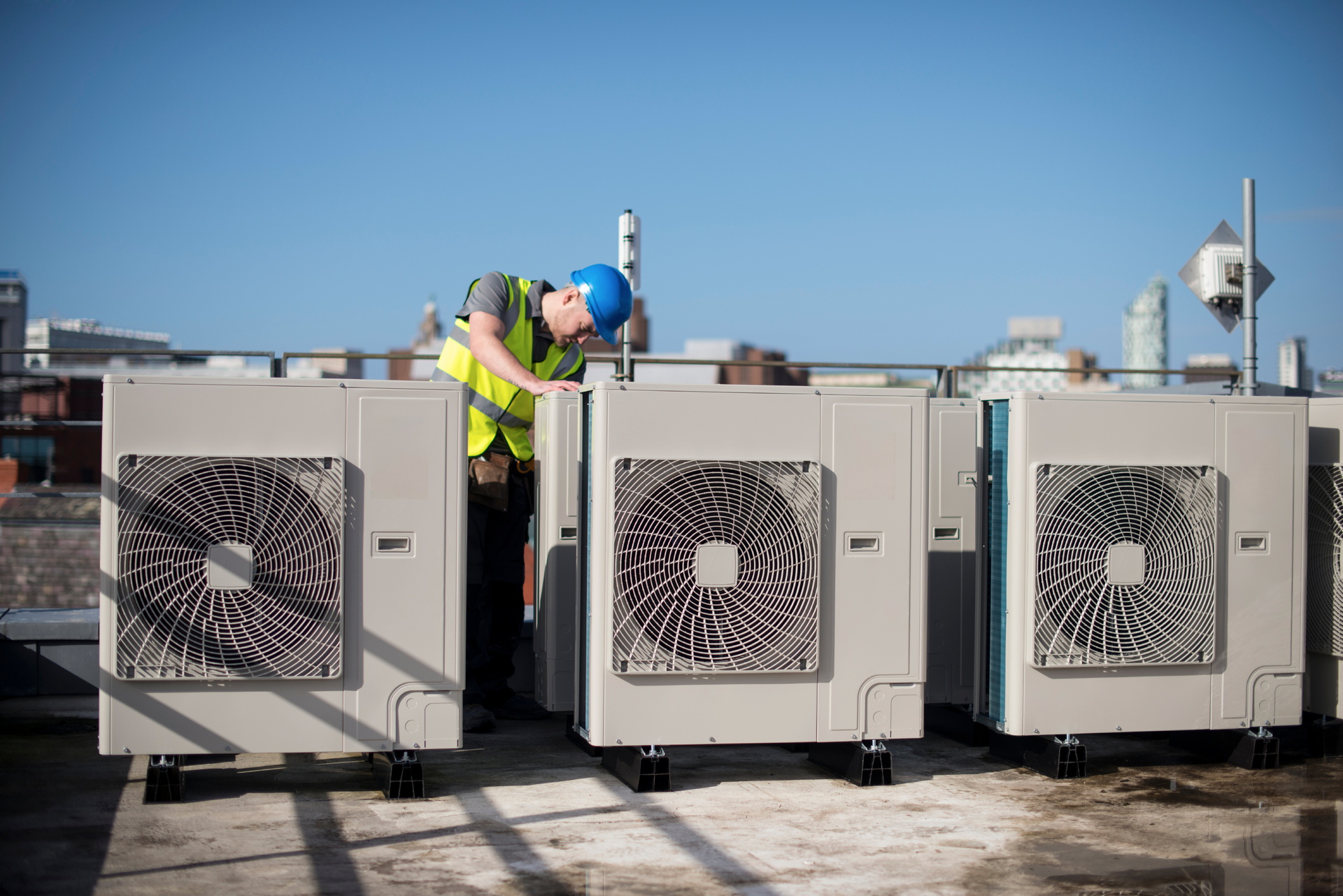
HVAC systems play a crucial role in maintaining indoor air quality and promoting health and safety within buildings. They are designed to control temperature, humidity, and ventilation, which can have a significant impact on the spread of airborne illnesses, respiratory problems, and overall well-being.
Role in Preventing Airborne Illnesses
HVAC systems can help prevent the spread of airborne illnesses, such as COVID-19 and influenza, by filtering out and circulating fresh air. This reduces the concentration of viruses and bacteria in the air, making it less likely that people will inhale them and become infected.
Reduced Risk of Respiratory Problems
HVAC systems can also help to reduce the risk of respiratory problems, such as asthma and allergies. By controlling humidity levels and providing ventilation, HVAC systems can create an indoor environment that is less conducive to the growth of mold and dust mites, which are common triggers for respiratory problems.
Improved Air Quality
HVAC systems can also remove pollutants from the air, such as dust, pollen, and smoke. This can improve air quality and make it easier for people to breathe, especially those with respiratory conditions.
| Benefit | Description |
|---|---|
| Reduced spread of airborne illnesses | HVAC systems can filter out and circulate fresh air, reducing the concentration of viruses and bacteria in the air. |
| Reduced risk of respiratory problems | HVAC systems can help to control humidity levels and provide ventilation, which can reduce the risk of respiratory problems such as asthma and allergies. |
| Improved air quality | HVAC systems can remove pollutants from the air, such as dust, pollen, and smoke. |
Best Practices for Maintaining HVAC Systems for Health and Safety
To ensure that HVAC systems are operating optimally and promoting health and safety, it is important to follow these best practices:
- Regularly change air filters.
- Clean and disinfect HVAC equipment regularly.
- Ensure proper ventilation.
- Inspect HVAC systems regularly for any damage or leaks.
- Consider installing an air purifier or humidifier.
Increased Property Value
HVAC systems play a crucial role in enhancing the value of buildings by increasing energy efficiency, reducing operating costs, and creating a more comfortable and healthy indoor environment. These factors make HVAC systems highly sought after by potential buyers and renters, leading to increased property values.
Attracting Potential Buyers and Renters
A well-maintained HVAC system is a significant selling point for potential buyers. It demonstrates that the building is energy-efficient and well-maintained, reducing the likelihood of costly repairs or replacements in the future. Additionally, a comfortable indoor environment with optimal temperature and humidity levels is highly desirable, making it more appealing to potential buyers.
- Improved air quality: HVAC systems with air filtration and purification capabilities remove allergens, dust, and other pollutants from the air, creating a healthier and more comfortable living environment.
- Reduced noise levels: Modern HVAC systems are designed to operate quietly, minimizing noise pollution and creating a peaceful indoor space.
- Increased occupant productivity: A comfortable indoor environment with optimal temperature and humidity levels has been shown to improve occupant productivity and reduce absenteeism.
Table: Key Benefits of HVAC Systems for Property Value
| Benefit | Estimated Value Increase | Specific Features |
|---|---|---|
| Energy efficiency | Up to 20% | High-efficiency equipment, smart thermostats, zoning systems |
| Reduced operating costs | Up to 15% | Energy-saving features, regular maintenance |
| Improved air quality | Up to 10% | Air filtration, purification, ventilation |
| Reduced noise levels | Up to 5% | Quiet operation, soundproofing |
| Increased occupant productivity | Up to 5% | Optimal temperature and humidity levels |
“A well-maintained HVAC system is an essential investment for any property owner. It not only ensures a comfortable and healthy indoor environment but also significantly increases the property’s value.”
Case Study: Property Value Increase
In a recent case study, the installation of a new HVAC system in a 2,000 square foot office building led to a significant increase in property value. The system included high-efficiency equipment, a smart thermostat, and a zoning system. The total cost of the installation was $25,000.
Within a year, the property value increased by $30,000, resulting in a return on investment of 20%.
Reduced Maintenance Costs
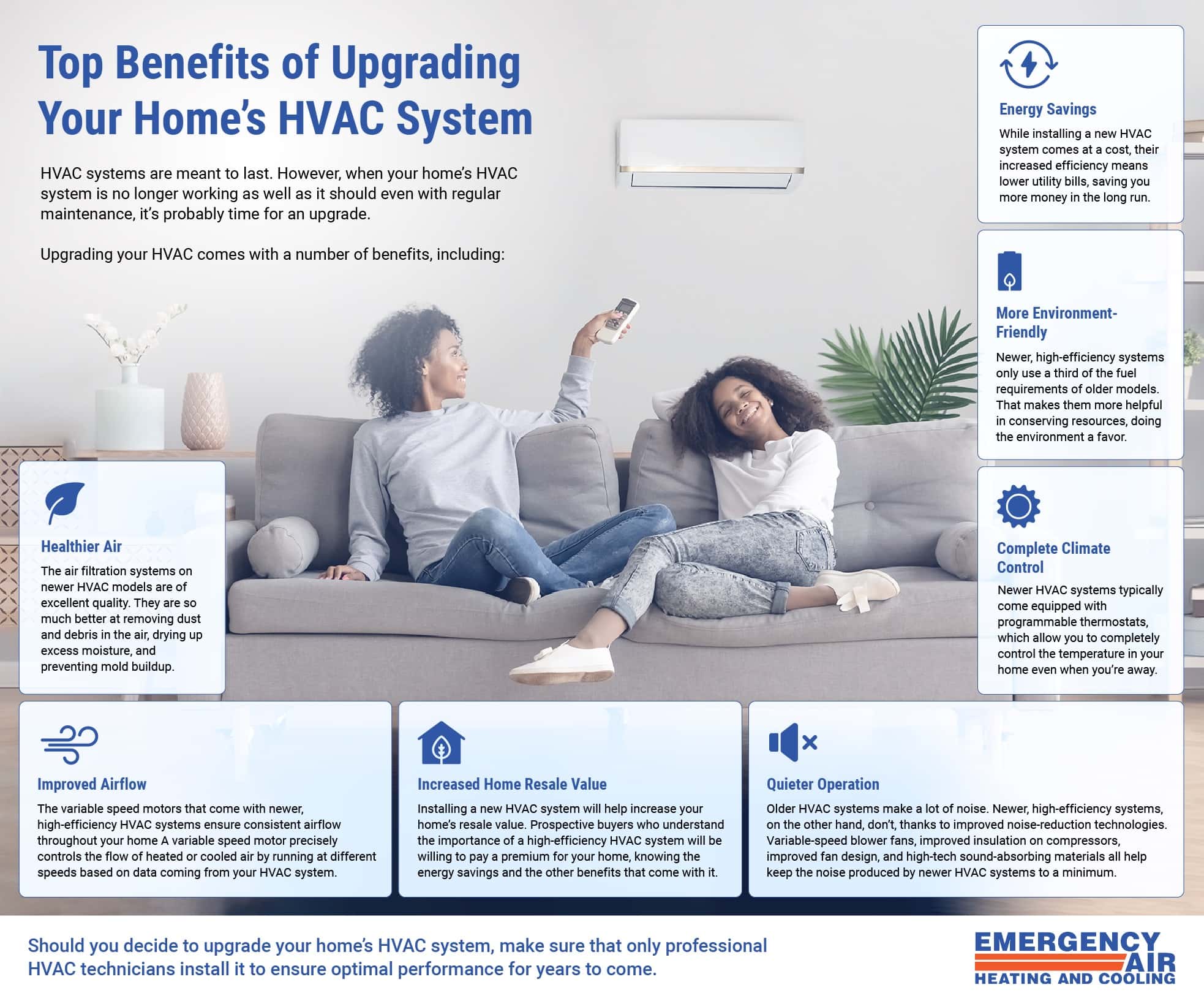
HVAC systems play a crucial role in reducing maintenance costs for buildings by preventing costly repairs, extending equipment life, and minimizing energy consumption.
Preventive Maintenance
By maintaining optimal temperature and humidity levels, HVAC systems prevent damage to sensitive equipment, reducing the likelihood of costly repairs. Additionally, proper ventilation and filtration remove dust and contaminants from the air, minimizing wear and tear on equipment.
Extended Equipment Life
HVAC systems extend equipment life by ensuring proper ventilation and filtration. This reduces the accumulation of dust and contaminants, which can cause premature wear and tear. Efficient HVAC systems also reduce energy consumption, leading to lower operating costs and further extending equipment life.
Low-Maintenance HVAC Systems
Certain HVAC systems are designed with low maintenance requirements. For example, variable air volume (VAV) systems adjust airflow based on demand, reducing energy consumption and wear on components. Heat recovery ventilation (HRV) systems transfer heat between incoming and outgoing air, minimizing energy consumption and maintenance costs.
Quantified Savings, What are the benefits of an HVAC system?
Implementing efficient HVAC systems can result in significant savings in maintenance costs. Case studies have shown that VAV systems can reduce maintenance costs by up to 20%, while HRV systems can reduce maintenance costs by up to 15%.
Extended Equipment Lifespan: What Are The Benefits Of An HVAC System?

HVAC systems play a pivotal role in prolonging the lifespan of other equipment within buildings. They regulate temperature and humidity levels, creating a stable indoor environment that prevents damage to sensitive equipment.
Temperature Regulation
- HVAC systems maintain optimal temperatures within buildings, preventing extreme heat or cold that can damage equipment.
- Overheating can lead to circuit failures, component degradation, and premature aging of equipment.
- Conversely, excessively low temperatures can cause condensation, freezing, and malfunctioning of sensitive components.
Humidity Control
- HVAC systems control humidity levels, preventing excessive moisture that can lead to corrosion, mold growth, and damage to equipment.
- High humidity can cause electrical shorts, damage to circuit boards, and corrosion of metal components.
- Low humidity, on the other hand, can create static electricity that can damage electronic components.
By maintaining a stable indoor environment with optimal temperature and humidity levels, HVAC systems significantly extend the lifespan of equipment, reducing maintenance costs and downtime.
Customization and Control

HVAC systems offer a high degree of customization to cater to specific needs. They can be tailored to suit the size, layout, and usage patterns of a building.
HVAC systems provide precise temperature and humidity control, ensuring a comfortable and productive indoor environment. Advanced control features, such as programmable thermostats, occupancy sensors, and zone control, allow users to optimize comfort levels and energy consumption.
Advanced Control Features
- Programmable thermostats:Allow users to set different temperature schedules for different times of day or days of the week, maximizing energy efficiency.
- Occupancy sensors:Detect when a room is occupied and adjust the HVAC system accordingly, saving energy when the space is unoccupied.
- Zone control:Divides a building into multiple zones, allowing for independent temperature and humidity control in each zone.
Sustainability and Environmental Impact

HVAC systems play a crucial role in promoting sustainability and reducing the environmental impact of buildings. By optimizing energy consumption and utilizing renewable energy sources, HVAC systems can contribute significantly to a greener and more sustainable future.
One of the key benefits of HVAC systems is their ability to reduce carbon emissions. By utilizing energy-efficient technologies and optimizing system performance, HVAC systems can minimize the amount of fossil fuels consumed, leading to a reduction in greenhouse gas emissions.
Renewable Energy Integration
HVAC systems can be integrated with renewable energy sources such as solar, geothermal, and wind energy. Solar panels can generate electricity to power HVAC systems, while geothermal heat pumps can utilize the earth’s natural heat to provide heating and cooling.
Wind turbines can also be used to generate electricity for HVAC systems, further reducing reliance on fossil fuels.
Environmentally Friendly HVAC Systems
Several types of HVAC systems are designed with environmentally friendly features, including:
- High-efficiency heat pumps:Heat pumps provide both heating and cooling, and they can achieve high efficiency ratings, reducing energy consumption and operating costs.
- Variable refrigerant flow (VRF) systems:VRF systems use variable refrigerant flow technology to adjust the cooling or heating capacity to each zone, resulting in improved energy efficiency and comfort.
- Energy recovery ventilators (ERVs):ERVs recover heat from exhaust air and transfer it to incoming fresh air, reducing energy consumption for heating and cooling.
The adoption of environmentally friendly HVAC systems offers several benefits, including:
- Reduced operating costs
- Improved indoor air quality
- Enhanced occupant comfort
- Compliance with environmental regulations
While there are challenges associated with the adoption of sustainable HVAC practices, such as higher upfront costs and the need for specialized expertise, the long-term benefits of reduced operating costs, improved indoor air quality, and reduced environmental impact make it a worthwhile investment.
Integration with Smart Home Systems
HVAC systems can be integrated with smart home systems, such as Amazon Alexa and Google Home, to enhance convenience, energy efficiency, and comfort. These systems allow homeowners to control their HVAC systems remotely using voice commands or a smartphone app.
Automation of Temperature Control and Monitoring
Smart home integration enables the automation of temperature control and monitoring. Users can set schedules to adjust the temperature at different times of the day or week, ensuring a comfortable environment while minimizing energy consumption. Additionally, real-time temperature monitoring allows homeowners to track the temperature remotely and make adjustments as needed.
Examples of HVAC Systems with Smart Home Integration
Several HVAC systems offer smart home integration capabilities. For instance, the Nest Thermostat allows users to control the temperature, set schedules, and monitor energy usage through the Nest app. The Honeywell Home T9 Thermostat offers similar features, including geofencing capabilities that automatically adjust the temperature based on the homeowner’s location.
Benefits of Smart Home Integration
Integrating HVAC systems with smart home systems offers several benefits, including:
- Improved energy efficiency by optimizing temperature control and reducing energy waste.
- Enhanced comfort by ensuring a consistent and comfortable indoor temperature.
- Increased convenience by allowing remote control and automation of HVAC functions.
Integration Process
Integrating HVAC systems with smart home systems typically requires a compatible thermostat and a smart home hub. The thermostat connects to the smart home hub, which acts as a central controller for various smart devices in the home. The integration process usually involves installing the thermostat, connecting it to the hub, and configuring the smart home system.
Limitations and Challenges
While smart home integration offers many benefits, there are some limitations and challenges to consider:
- Compatibility issues may arise between different HVAC systems and smart home systems.
- The integration process may require technical expertise, especially for complex systems.
- Smart home systems rely on a stable internet connection, which may not always be available.
Types of HVAC Systems
HVAC systems are classified into various types, each with its advantages and disadvantages. The choice of an HVAC system depends on factors such as the size of the building, climate, energy efficiency requirements, and budget.
The following table provides an overview of common HVAC system types:
| Type | Advantages | Disadvantages |
|---|---|---|
| Central Air Conditioning | – Cools and dehumidifies the entire building
| |
| Heat Pumps | – Heats and cools the building
| |
| Furnaces | – Heats the building
|
Factors to Consider When Choosing an HVAC System
When selecting an HVAC system, several factors should be considered:
- Size of the building
- Climate
- Energy efficiency requirements
- Budget
- Maintenance requirements
Common HVAC System Types
Common HVAC system types include:
- Central Air Conditioning
- Heat Pumps
- Furnaces
- Packaged Units
- Split Systems
Maintenance and Troubleshooting
Proper maintenance and troubleshooting are crucial for ensuring the optimal performance and longevity of an HVAC system. Regular maintenance helps prevent costly repairs and breakdowns, while timely troubleshooting can minimize discomfort and restore system functionality.
Regular HVAC maintenance tasks include:
- Changing air filters regularly (monthly for homes with pets or allergies)
- Cleaning or replacing the condensate drain line
- Inspecting and cleaning the blower motor and fan blades
- Checking refrigerant levels
- Lubricating moving parts
- Inspecting electrical connections
Common HVAC Problems and Solutions
Common HVAC problems include:
- No cooling:Check thermostat settings, air filter, refrigerant levels, and outdoor unit operation.
- Inadequate cooling:Clean condenser coils, check refrigerant levels, and inspect ductwork for leaks.
- Uneven cooling:Balance airflow by adjusting registers and dampers.
- No heating:Check thermostat settings, fuel supply, and ignition system.
- Inadequate heating:Clean furnace filter, inspect heat exchanger, and check ductwork for leaks.
- Strange noises:Lubricate moving parts, check fan blades for balance, and inspect ductwork for obstructions.
- Water leaks:Check condensate drain line, tighten loose connections, and inspect evaporator coil for leaks.
Troubleshooting Tips
Troubleshooting HVAC systems involves:
- Identifying the problem:Observe symptoms, check error codes, and consult user manuals.
- Isolating the issue:Divide the system into components and test each one individually.
- Finding the root cause:Determine the underlying issue causing the problem.
- Repairing or replacing:Fix or replace faulty components as necessary.
- Testing and verifying:Ensure the system is operating correctly after repairs.
Quick FAQs
What are the key benefits of HVAC systems for indoor air quality?
HVAC systems can filter out pollutants, allergens, and contaminants from the air, improving indoor air quality and reducing the risk of respiratory problems.
How do HVAC systems contribute to energy efficiency?
HVAC systems can reduce energy consumption and lower utility bills by maintaining optimal temperatures, utilizing energy-efficient technologies, and reducing heat loss.
What are the health benefits of HVAC systems?
HVAC systems can help prevent the spread of airborne illnesses, reduce the risk of respiratory problems, and improve overall health and well-being by maintaining optimal indoor air quality.
How do HVAC systems enhance property value?
HVAC systems can increase property value by improving energy efficiency, reducing operating costs, providing a comfortable and healthy indoor environment, and attracting potential buyers and renters.
What are the different types of HVAC systems available?
There are various types of HVAC systems, including central air conditioning, heat pumps, furnaces, and geothermal systems, each with its own advantages and disadvantages.
