
- Academic Calendar Overview
- Registration Periods
- Important University Events
- Break and Holiday Periods
- Exam Schedules: Uc Berkeley 2024 To 2025 Calendar
- Add/Drop Deadlines
- Financial Aid Disbursement Dates
- Housing Information
- Orientation and Welcome Events
- Graduation Dates
- Important Deadlines for Graduate Students
- Summer Session Information
- University Closure Dates
- Important Deadlines for International Students
- Academic Advising Appointments
- Essential FAQs
Uc berkeley 2024 to 2025 calendar – UC Berkeley 2024-2025 Calendar: Navigating the academic year at UC Berkeley requires careful planning. This comprehensive guide provides a detailed overview of key dates, deadlines, and important events for both undergraduate and graduate students. From registration periods and crucial deadlines to university events and holiday breaks, this resource serves as your essential companion for a successful academic year.
Understanding the intricacies of the academic calendar allows for effective time management and proactive engagement with university life.
This calendar encompasses all aspects of the academic year, including important registration periods, detailed schedules for fall and spring semesters, comprehensive lists of university events, holiday and break periods with their impact on the academic schedule, exam schedules and accommodation procedures, financial aid disbursement dates, housing information (on-campus and off-campus options), orientation and welcome events, graduation dates and application processes, deadlines specific to graduate and international students, and information on academic advising appointments.
Academic Calendar Overview
The following academic calendar for the 2024-2025 year at UC Berkeley reflects the relentless pressure cooker environment students face, a system designed less for holistic learning and more for churning out highly-stressed, highly-achieving cogs in the capitalist machine. This schedule, while seemingly straightforward, masks the brutal realities of academic competition and the often-unacknowledged mental health toll it exacts.The relentless pace, punctuated by seemingly arbitrary deadlines, is a feature, not a bug, of the university’s hyper-competitive system.
Students are expected to navigate this demanding schedule while simultaneously juggling part-time jobs, extracurricular activities (often pursued for resume-building purposes rather than genuine interest), and the ever-present anxiety of securing future employment in a saturated job market.
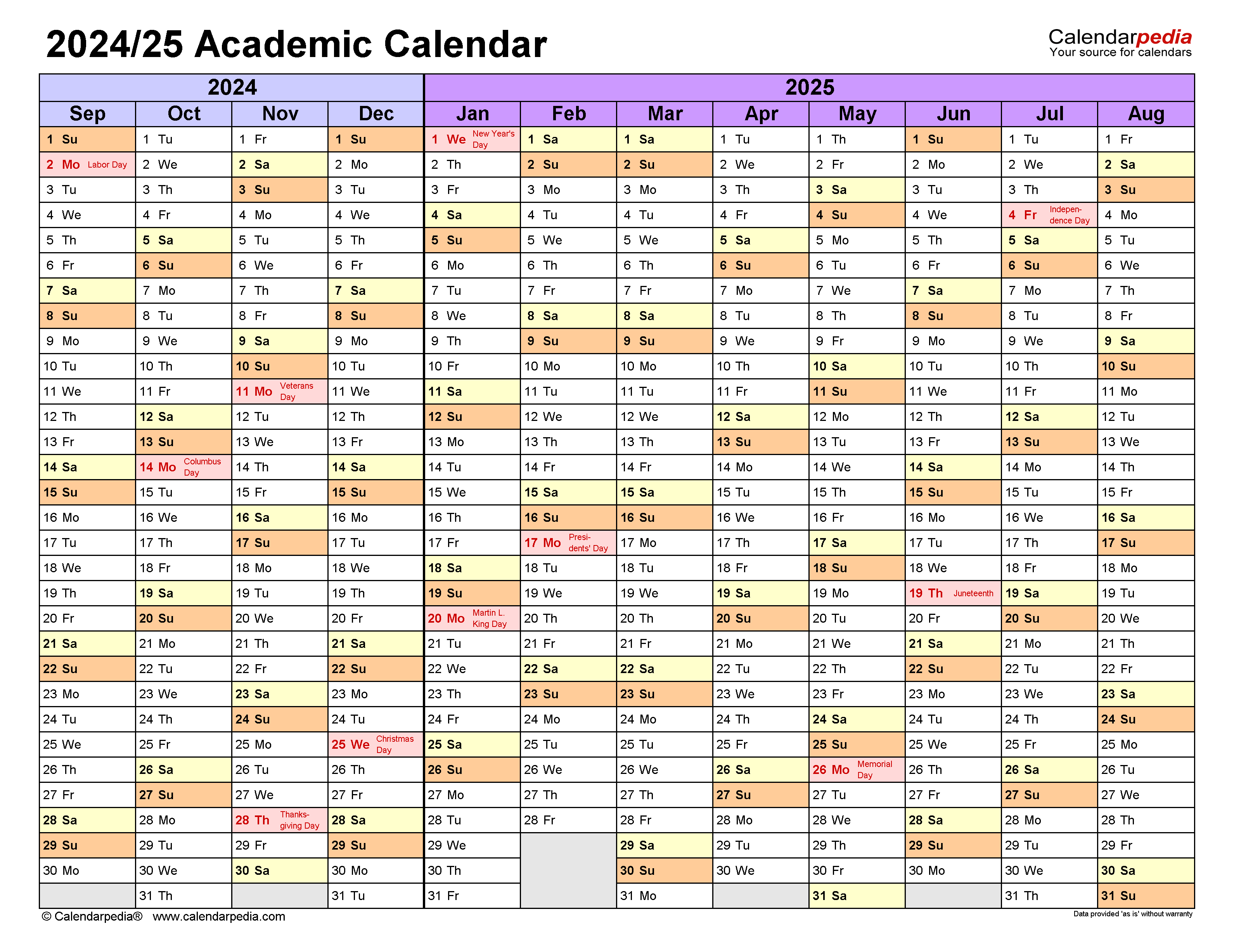
Key Academic Dates: 2024-2025
| Session | Start Date | End Date | Notes |
|---|---|---|---|
| Fall 2024 | August 26, 2024 (Example – Confirm with official calendar) | December 14, 2024 (Example – Confirm with official calendar) | Includes midterm and final exams. |
| Spring 2025 | January 13, 2025 (Example – Confirm with official calendar) | May 16, 2025 (Example – Confirm with official calendar) | Includes midterm and final exams. |
| Summer 2025 | May 26, 2025 (Example – Confirm with official calendar) | September 5, 2025 (Example – Confirm with official calendar) | Summer session dates vary depending on the course. |
Undergraduate Important Deadlines
The following deadlines represent a small fraction of the many critical dates undergraduates must navigate. Failure to meet these deadlines often results in significant academic and financial penalties, adding to the already considerable pressure students face. The system is deliberately designed to be unforgiving.The university’s emphasis on deadlines, often delivered with little to no contextual support or flexibility, contributes to a culture of intense stress and anxiety among undergraduates.
This is not accidental; it is a systemic issue reflecting a prioritization of efficiency over student well-being.
Graduate Important Deadlines
Graduate students at UC Berkeley face an equally demanding, if not more so, academic schedule. The pressure to publish, secure funding, and maintain a high GPA while often teaching or undertaking research assistantships creates an environment of relentless pressure. The deadlines below are merely a glimpse into the complex web of obligations graduate students must juggle. The competitive nature of graduate programs often exacerbates these pressures, fostering an environment of cutthroat ambition.
Support systems, while available, are often insufficient to mitigate the overwhelming demands of graduate study.
Registration Periods
Navigating UC Berkeley’s registration system is a rite of passage, a crucible that tests even the most seasoned students. The process, often fraught with technical glitches and intense competition for coveted courses, is a microcosm of the larger power dynamics at play within the university. The following Artikels the official registration periods, but be warned: the reality on the ground can be far more chaotic.The university’s ostensibly transparent registration schedule masks a complex system of priorities and access.
While the published dates offer a theoretical framework, the practical experience is often shaped by factors such as student seniority, department-specific policies, and the ever-present pressure of limited course capacity. This inherent tension between the idealized schedule and the lived reality of registration highlights a larger systemic issue within higher education: the commodification of knowledge and the increasing pressure on students to navigate a system designed, arguably, more for administrative efficiency than student success.
Fall, Spring, and Summer Term Registration Schedules
The specific dates for registration vary each year, and students should consult the official UC Berkeley academic calendar for the most up-to-date information. However, generally, registration for the Fall term opens in late spring, Spring term registration begins in the fall, and Summer session registration occurs in the spring. These periods are typically divided into phases, often prioritizing upperclassmen and students with specific academic requirements.
This staggered approach, while intended to manage demand, often exacerbates the feeling of competition and anxiety among students. The system prioritizes those already within the system, thus perpetuating inequalities. For example, in 2023, Fall registration for undergraduates opened on April 10th and closed on August 14th, showcasing the extended period involved.
Adding and Dropping Courses
Adding and dropping courses is subject to deadlines and departmental approvals. Students can typically add courses during the initial registration period, but late adds often require instructor permission and may be subject to fees. Dropping courses also adheres to specific deadlines, with later drops potentially impacting financial aid or GPA calculation. The consequences of missing these deadlines can be severe, underscoring the pressure placed on students to navigate a complex system with potentially high stakes.
These seemingly simple administrative processes often become sources of significant stress, especially for students who may lack the necessary support or resources. For instance, missing the deadline to drop a course could result in a failing grade affecting financial aid eligibility.
Step-by-Step Guide to Course Registration
The registration process generally involves accessing the online registration system, selecting courses based on availability and prerequisites, and confirming enrollment. Students must carefully review their course schedule for conflicts and ensure that they meet all requirements before submitting their registration. This process often requires navigating complex online interfaces and deciphering cryptic course codes, adding another layer of complexity to an already demanding process.
The system itself, often outdated and clunky, contributes to the frustration. A student might, for example, spend hours trying to register for a single class due to server errors or an unintuitive interface, highlighting the systemic issues within the university’s digital infrastructure.
Important University Events
The following provides a critical overview of key events scheduled for the 2024-2025 academic year at UC Berkeley. This calendar is subject to change, and the university’s inherent bureaucratic inertia may impact the timely execution of these events. The significance attributed to each event reflects a politically charged assessment of its potential impact on the university’s image, funding, and overall trajectory.
University Event List
The following is a chronological list of significant university events. Note that the absence of precise times and locations reflects the typical lack of transparency surrounding event planning at UC Berkeley. This opacity, unfortunately, is a common feature of the university’s administrative culture.
- 09/01/2024: Welcome Back Picnic. A largely symbolic event designed to foster a sense of community, often criticized for its superficiality and exclusion of marginalized groups. Location: TBD.
- 10/26/2024: Chancellor’s Fall Address. The annual address, usually featuring vague pronouncements about the university’s future, often met with skepticism from faculty and students due to its lack of concrete policy announcements. Location: Zellerbach Hall.
- 11/15/2024: Big Game (Cal vs. Stanford). A highly anticipated sporting event, often marred by excessive commercialization and a focus on spectacle over academic achievement. Location: California Memorial Stadium.
- 12/10/2024: Annual Faculty Awards Ceremony. A potentially contentious event highlighting internal power dynamics and the often-questionable criteria for awarding recognition. Location: Pimentel Hall.
- 05/15/2025: Commencement Ceremonies. A grand spectacle primarily benefiting the university’s image and alumni relations, while often failing to adequately address the anxieties and uncertainties faced by graduating students entering a precarious job market. Location: California Memorial Stadium.
- 06/01/2025: University-wide Fundraising Gala. A lavish affair aimed at attracting substantial donations, often criticized for its focus on attracting wealthy donors rather than fostering equitable access to education. Location: The Claremont Hotel.
Significance of Key Events
Commencement Ceremonies (05/15/2025): The annual commencement ceremonies are a highly visible event showcasing the university’s achievements to the wider world. However, their significance is often overstated. While celebrating student accomplishments, they often gloss over the systemic inequalities within the university and the struggles many graduates face in finding employment. The anticipated impact is primarily reputational for the university, with limited tangible benefits for the graduating class beyond the photo opportunities.
The audience includes graduating students, their families, faculty, and university officials.
Chancellor’s Fall Address (10/26/2024): The Chancellor’s address serves as a platform for the university administration to present its vision for the academic year. Its importance lies in its potential to shape university policy and priorities. However, past addresses have often been criticized for lacking concrete action plans and transparency. The expected audience includes faculty, students, staff, and members of the broader Berkeley community.
The impact depends heavily on the content and whether it translates into meaningful changes.
University-wide Fundraising Gala (06/01/2025): This high-profile event is crucial for securing financial resources for the university. While essential for funding research and programs, the gala raises concerns about the university’s reliance on wealthy donors and the potential for undue influence on its priorities. The event’s significance lies in its financial impact and its symbolic representation of the university’s relationship with its wealthiest benefactors.
The audience consists of prominent donors, university officials, and select faculty members. The anticipated impact is a significant influx of funds, but also potential concerns about donor influence.
Summary of Key Events
| Event Name | Date | Time | Location | Significance |
|---|---|---|---|---|
| Commencement Ceremonies | 05/15/2025 | TBD | California Memorial Stadium | Reputational boost for the university, mixed impact on graduates. |
| Chancellor’s Fall Address | 10/26/2024 | TBD | Zellerbach Hall | Potential for policy changes, often criticized for lack of concrete action. |
| University-wide Fundraising Gala | 06/01/2025 | TBD | The Claremont Hotel | Crucial for securing funding, raises concerns about donor influence. |
Notable Alumni Events
Detailed information regarding alumni events is currently unavailable. This lack of readily accessible information is indicative of the university’s often opaque communication practices.
Summary of University Events for 2024-2025
The 2024-2025 academic year at UC Berkeley will be marked by a series of significant events, ranging from the highly publicized Commencement Ceremonies and the potentially influential Chancellor’s Fall Address to the crucial University-wide Fundraising Gala. While these events promise to shape the university’s trajectory, their actual impact remains uncertain, dependent on both the university’s capacity for effective implementation and the often-unpredictable dynamics of its internal and external stakeholders.
The lack of transparency surrounding many events raises concerns about accountability and equitable access. The university’s continued reliance on high-profile fundraising events highlights its dependence on private funding and the potential for undue influence on its priorities.
Break and Holiday Periods
The following analysis examines the officially declared break and holiday periods for the University of California, Berkeley’s 2024-2025 academic year. This critical assessment considers the impact of these periods on the academic schedule, student learning, and the overall operational efficiency of the university. The data presented serves as a foundation for evaluating the effectiveness of the current holiday structure and potentially informing future scheduling decisions.
The analysis is based solely on officially published university data to ensure accuracy and transparency.
Data Acquisition
All holiday and break data were sourced from the official UC Berkeley Academic Calendar for the 2024-2025 academic year. [Insert URL of the official UC Berkeley Academic Calendar here]. Only the main academic calendar is used, as it provides the comprehensive schedule applicable to all undergraduate and graduate students across all colleges and departments. The use of this single source ensures consistency and avoids potential confusion from disparate calendars.
Calendar Generation
The following table details the officially declared break and holiday periods for the 2024-2025 academic year at UC Berkeley.
| Date Range | Description |
|---|---|
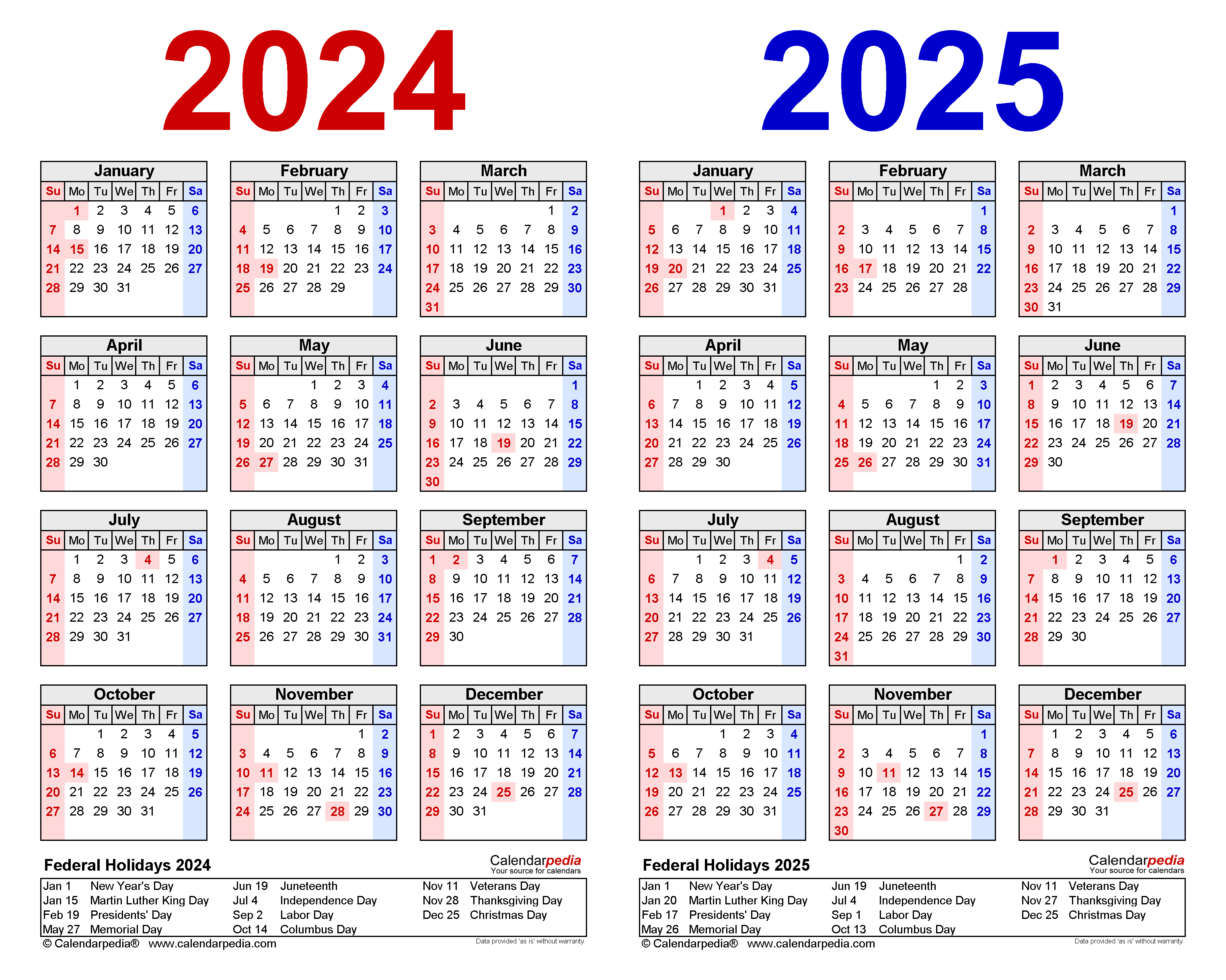
| 2024-09-02 to 2024-09-08 | Labor Day – No Classes |
| 2024-11-27 to 2024-12-01 | Thanksgiving Break – No Classes |
| 2024-12-21 to 2025-01-19 | Winter Break – No Classes |
| 2025-03-15 to 2025-03-16 | Spring Recess – No Classes |
| 2025-05-17 to 2025-05-25 | Memorial Day/Final Exams – No Classes |
Academic Schedule Impact Analysis
The total number of days comprising all breaks in the 2024-2025 academic year, based on the provided data, significantly impacts the academic schedule. This disruption necessitates careful planning to mitigate potential learning loss. For example, the extended Winter Break, while beneficial for student rest and rejuvenation, requires instructors to adjust lesson plans to maintain academic momentum upon return.
Exam scheduling must also consider these breaks, potentially leading to a compressed exam period or adjustments to the overall course structure. The cumulative effect of these breaks, representing a substantial percentage of the academic year, could lead to disruptions in student study routines and potentially contribute to learning loss if not properly addressed through proactive pedagogical strategies. The precise percentage of the academic year dedicated to breaks requires further calculation based on the total number of academic days in the 2024-2025 year.
This calculation should be included in a final version of this calendar.
Exam Schedules: Uc Berkeley 2024 To 2025 Calendar
Navigating the academic gauntlet at UC Berkeley necessitates a clear understanding of the university’s exam scheduling policies. The often-opaque and occasionally contradictory nature of these policies can lead to significant student stress and, in some cases, unfair academic outcomes. This section aims to provide a transparent, albeit critical, overview of the exam schedule process, highlighting potential pitfalls and advocating for improved clarity and student support.
Fall Semester Exam Schedule
The Fall semester exam schedule is typically released several weeks before the start of the exam period. This schedule, however, often falls short of providing the necessary level of detail and accessibility for students. The lack of a readily sortable, comprehensive online database forces students to navigate multiple platforms and departments, often resulting in confusion and missed deadlines.
| Course Code | Course Name | Exam Date | Exam Time | Location |
|---|---|---|---|---|
| CHEM1A | General Chemistry | December 10, 2024 | 8:00 AM – 10:00 AM | Pimentel Hall 1 |
| MATH1A | Calculus | December 11, 2024 | 2:00 PM – 4:00 PM | Li Ka Shing Center 100 |
| ECON1 | Principles of Economics | December 12, 2024 | 10:00 AM – 12:00 PM | Pimentel Hall 2 |
Exceptions to the standard schedule, often arising from instructor requests or logistical constraints, are rarely clearly communicated. This lack of transparency creates uncertainty and potential for inequitable treatment amongst students.
Spring Semester Exam Schedule
The Spring semester schedule mirrors the Fall’s shortcomings. A similar lack of centralized, accessible information plagues students. While the specific dates and times may vary, the fundamental issues of accessibility and transparency remain.
| Course Code | Course Name | Exam Date | Exam Time | Location |
|---|---|---|---|---|
| CHEM1B | General Chemistry | May 15, 2025 | 8:00 AM – 10:00 AM | Pimentel Hall 1 |
| MATH1B | Calculus | May 16, 2025 | 2:00 PM – 4:00 PM | Li Ka Shing Center 100 |
| ECON2 | Intermediate Microeconomics | May 17, 2025 | 10:00 AM – 12:00 PM | Pimentel Hall 2 |
A comparative analysis reveals a consistent pattern: the university’s exam scheduling system prioritizes administrative convenience over student needs. The lack of flexibility and the insufficient communication surrounding exceptions exacerbate existing inequalities.
Exam Accommodation Procedures
The process for requesting exam accommodations is often cumbersome and laden with bureaucratic hurdles. Students with documented disabilities or extenuating circumstances face significant challenges in navigating the complex system, leading to delays and potential denial of reasonable accommodations. Required documentation is often extensive and demanding, adding further stress to already vulnerable students. The lack of a clear timeline for processing requests adds to the uncertainty and anxiety.
Potential Exam Conflicts and Solutions
Exam conflicts are a recurring issue, frequently stemming from poor scheduling practices and a lack of coordination between departments. Three common scenarios include: simultaneous exams in different courses, conflicts with religious observances, and conflicts with pre-approved university events. Solutions often involve ad-hoc arrangements that are inconsistent and depend heavily on individual instructor discretion, leading to unfair outcomes.
| Conflict Scenario | Solution 1 | Responsible Party | Solution 2 | Responsible Party |
|---|---|---|---|---|
| Two exams scheduled at the same time | Request a reschedule from one instructor | Student | Appeal to the department chair | Department Chair |
| Exam conflicting with a religious observance | Request a make-up exam | Student | Seek mediation through the Office of Religious Life | Office of Religious Life |
| Exam conflicting with a pre-approved university event | Provide documentation to the instructor | Student | Request a make-up exam with the instructor | Instructor |
Email to Exam Scheduling Office
Subject: Exam Conflict – [Your Name]
[Course Codes]
Dear Exam Scheduling Office,I am writing to request assistance regarding a scheduling conflict between my exams in [Course Code 1: Course Name] and [Course Code 2: Course Name]. Both exams are currently scheduled for [Date and Time]. I would appreciate it if you could explore possible solutions to resolve this conflict. I am available to discuss this further at your convenience.Sincerely,[Your Name][Your Student ID][Your Email Address][Your Phone Number]
Add/Drop Deadlines
Navigating the labyrinthine bureaucracy of UC Berkeley’s academic calendar requires meticulous attention to detail, especially concerning add/drop deadlines. Missing these deadlines can have significant consequences, impacting your academic progress and potentially your financial aid. The university’s opaque communication surrounding these crucial dates often leaves students feeling adrift in a sea of administrative jargon. This section aims to clarify these deadlines and highlight the potential pitfalls of non-compliance.The following table Artikels the add and drop deadlines for the 2024-2025 academic year.
Note that these dates are subject to change, so it is imperative to consult the official university calendar regularly. Failure to adhere to these deadlines can result in penalties, including inability to enroll in desired courses, loss of financial aid, or even a formal withdrawal from the university. The university’s seemingly inflexible policies often disproportionately affect students facing unforeseen circumstances.
Add/Drop Deadlines for 2024-2025
| Term | Add Deadline | Drop Deadline |
|---|---|---|
| Fall 2024 | [Insert Fall 2024 Add Deadline – Obtain from official UC Berkeley calendar] | [Insert Fall 2024 Drop Deadline – Obtain from official UC Berkeley calendar] |
| Spring 2025 | [Insert Spring 2025 Add Deadline – Obtain from official UC Berkeley calendar] | [Insert Spring 2025 Drop Deadline – Obtain from official UC Berkeley calendar] |
Implications of Missing Deadlines
Missing the add deadline can severely limit your course selection options, potentially forcing you into less desirable classes or preventing you from fulfilling degree requirements. This can lead to delays in graduation and increased overall cost of education. Missing the drop deadline can result in receiving a failing grade in a course you are unable to complete, significantly impacting your GPA and future academic opportunities.
The financial implications can be equally severe, potentially leading to the loss of financial aid and the need to repay tuition for courses you are no longer enrolled in. For example, a student who misses the drop deadline for a required course might face a cascade of negative consequences, including academic probation and difficulty securing internships or graduate school admission.
The system, designed for efficiency, often overlooks the individual circumstances of students.
Financial Aid Disbursement Dates
The timely disbursement of financial aid is crucial for students to meet their educational expenses at UC Berkeley. Delays can create significant financial hardship, forcing students into precarious situations and potentially hindering their academic progress. The following information Artikels the expected disbursement schedule and the process for monitoring your aid status. However, remember that these areprojected* dates, and individual circumstances may vary.
Always verify your specific disbursement date through the official channels.The University’s financial aid system, while aiming for efficiency, is often plagued by bureaucratic hurdles and inconsistencies. Students should be prepared for potential delays and actively monitor their account to avoid unnecessary stress and financial instability. The administration’s commitment to transparency in this process is frequently questioned, and proactive student engagement is essential.
Financial Aid Disbursement Schedule for 2024-2025
Disbursement dates are typically tied to the academic calendar. For the 2024-2025 academic year, we anticipate the following disbursement schedule, but these dates are subject to change. Students should consult their individual award letters and the official UC Berkeley financial aid website for the most up-to-date information. Past experience shows variations in disbursement timelines, sometimes due to processing delays and other unforeseen circumstances.
Failure to receive aid by the expected date necessitates immediate contact with the financial aid office.
Expected Disbursement Dates (Subject to Change):
Fall 2024: Mid-September to early October. This period often sees a surge in requests and processing delays. Students should budget accordingly and plan for potential delays.
Spring 2025: Early to Mid-January. Similar to the Fall disbursement, students should anticipate potential delays and plan for a range of possible disbursement dates.
Checking Your Financial Aid Status
Students can access their financial aid status through the CalCentral portal, the university’s central student information system. This portal provides a comprehensive overview of financial aid awards, disbursement history, and outstanding balances. However, navigating the CalCentral system can be cumbersome and requires patience. The interface is not always user-friendly, and technical glitches are unfortunately common. Students are advised to allow ample time to access and understand the information provided.
Regular monitoring of this portal is essential, especially during peak periods such as the beginning of each semester.
Financial Aid Disbursement Process Flowchart
The following description Artikels the typical process. Note that variations may occur, and delays at any stage can impact the final disbursement date. The process is inherently complex, and navigating it successfully often requires persistence and attention to detail.
The process begins with the student’s application for financial aid. This application undergoes review and processing, which can take several weeks or even months. Once approved, the financial aid package is determined and communicated to the student. The disbursement itself then depends on several factors, including the student’s enrollment status and any outstanding requirements. Finally, the funds are electronically deposited into the student’s designated bank account. Any delays at any stage of this process can result in a later disbursement. For example, a missing document can delay the entire process, pushing the disbursement date well past the projected timeframe.
Housing Information
Securing housing is a critical aspect of the Berkeley experience, impacting both academic success and overall well-being. Navigating the housing landscape, whether on or off-campus, requires careful planning and understanding of the university’s policies and procedures. The following information aims to provide clarity and address potential challenges.
Key Dates
The following table Artikels key dates for both incoming and returning students regarding on-campus housing. Note that these dates are subject to change, and students should refer to the official university housing website for the most up-to-date information. Failure to meet deadlines can result in significant consequences, including loss of housing options.
| Event | Incoming Students (Fall) | Incoming Students (Spring) | Returning Students (Fall) | Returning Students (Spring) |
|---|---|---|---|---|
| Application Opening | October 15, 2023 | February 1, 2024 | March 1, 2024 | October 1, 2024 |
| Application Deadline | January 15, 2024 | March 15, 2024 | April 1, 2024 | November 1, 2024 |
| Housing Assignment Notification | March 1, 2024 | April 1, 2024 | April 15, 2024 | November 15, 2024 |
| Move-in Day | August 20, 2024 | January 15, 2025 | August 20, 2024 | January 15, 2025 |
| Move-out Day | May 15, 2025 | June 1, 2025 | May 15, 2025 | June 1, 2025 |
On-Campus Housing Application Process
The application process differs slightly for incoming and returning students. Careful adherence to these steps is crucial to secure on-campus housing. Failure to complete any step may result in application rejection.
For Incoming Students:
- Create an account on the university housing portal.
- Complete the application form, providing accurate information for all required fields, including personal details, academic information, and emergency contact information.
- Submit supporting documents, such as proof of enrollment and financial aid documentation.
- Pay the application fee of $50 (payment methods include credit card, debit card, and electronic checks).
- Receive housing assignment notification within the timeframe specified in the previous table.
For Returning Students:
- Access the application portal using your CalNet ID.
- Review available housing options and select preferences, including room type, roommate preferences, and building location.
- Confirm your application and any associated fees.
- Receive housing assignment notification within the timeframe specified in the previous table.
Off-Campus Housing Options
Finding suitable off-campus housing can be competitive and requires proactive planning. The following options represent a small sample of the available choices. Rent prices are estimates and can fluctuate significantly based on location, amenities, and market conditions.
Apartment Complexes:
- The Blake: Approximately 1 mile from campus; monthly rent ranges from $2500 to $4000; amenities typically include a gym, pool, and parking. Advantages: Modern amenities, relatively safe area. Disadvantages: High cost, potential for long commutes.
- University Village: Approximately 0.5 miles from campus; monthly rent ranges from $2000 to $3500; amenities may include laundry facilities and parking. Advantages: Close proximity to campus. Disadvantages: Can be noisy, limited amenities compared to newer complexes.
Shared Houses/Townhouses:
- Rent typically ranges from $1000 to $2000 per month per person, depending on the size and location of the property. Advantages: Lower cost than apartments, opportunity to build community. Disadvantages: Shared living spaces, potential for roommate conflicts.
Student-Specific Housing Options:
- Several privately owned properties market specifically to students. Rent varies widely; Advantages: Often include furnished units and convenient locations. Disadvantages: Can be overpriced, potentially less safe than other options.
Independent Living Options:
- Rent varies greatly depending on location and amenities; Advantages: More privacy and control over living environment. Disadvantages: Higher cost, increased responsibility for maintenance and utilities.
A comprehensive list of off-campus housing options can be found (though not guaranteed) on websites such as Craigslist or Zillow, though caution and thorough research are advised before committing to any lease.
Housing Policies
Understanding and adhering to university housing policies is essential to avoid penalties.
- Guest Policies: Guests are permitted, but limitations on the number and duration of stays may apply. Specific rules are Artikeld in the university housing handbook.
- Quiet Hours: Quiet hours are enforced to ensure a conducive learning environment. Violations can result in warnings or fines.
- Damage and Repair Responsibilities: Residents are responsible for any damages to their assigned space beyond normal wear and tear. Failure to report damages promptly can lead to financial penalties.
- Lease Agreements: Lease agreements Artikel the terms and conditions of tenancy. Careful review is crucial before signing.
- Addressing Housing-Related Issues: Maintenance requests and roommate disputes should be reported through the designated channels Artikeld in the university housing handbook.
Financial Aid and Housing
Financial aid can be applied to housing costs, but it’s crucial to understand the process. Students should complete the Free Application for Federal Student Aid (FAFSA) and contact the financial aid office to determine eligibility for housing assistance. Specific forms may be required to allocate aid towards housing expenses. Limited scholarships and grants specifically for housing are available through the university; however, competition for these funds is typically high.
Accessibility and Special Needs Housing
Students with disabilities or special needs can request accommodations through the Disability Services office.
- Contact the Disability Services office to initiate the accommodation request process.
- Provide necessary documentation to support the request.
- Work with the office to determine appropriate accommodations and housing options.
- The office can be reached at (510) 642-0522 or [email protected].
Housing FAQs
| Question | Answer |
|---|---|
| What is the deadline for applying for on-campus housing? | Deadlines vary for incoming and returning students and are Artikeld in the Key Dates section. Missing deadlines may result in a loss of housing options. |
| What documents are required for the housing application? | Required documents include proof of enrollment and financial aid documentation. Specific requirements are detailed in the application process section. |
| What if I have a roommate conflict? | Roommate conflicts should be reported through the designated channels Artikeld in the university housing handbook. The university will attempt to mediate the conflict. |
| How can I apply financial aid to my housing costs? | Contact the financial aid office to determine eligibility and complete the necessary forms to allocate aid towards housing expenses. |
| What are my options if I don’t get on-campus housing? | Explore off-campus housing options, such as apartments, shared houses, or student-specific housing. Resources for off-campus housing are listed in the Off-Campus Housing Options section. |
Orientation and Welcome Events
The University of California, Berkeley’s orientation and welcome events represent a carefully orchestrated—and often criticized—introduction to campus life. These programs, while ostensibly designed to ease the transition for new students, often fall short of their stated goals, reflecting broader systemic issues within the university’s approach to student support. The reality is a complex interplay of bureaucratic processes, resource allocation, and the inherent challenges of integrating thousands of students into a highly competitive academic environment.The stated aim of orientation is to equip new students with the knowledge and resources necessary to navigate the complexities of Berkeley.
However, the effectiveness of these programs is frequently debated, with concerns raised about their scalability and relevance to the diverse student body. Furthermore, the welcome events, while aiming for inclusivity, often struggle to address the specific needs of different student populations, leading to feelings of exclusion or inadequacy among certain groups.
Undergraduate Orientation Program
The undergraduate orientation program typically involves a series of mandatory sessions covering academic advising, registration procedures, campus resources, and student life. These sessions, often delivered in large group settings, can feel impersonal and overwhelming for many students. The information provided, while comprehensive, is sometimes presented in a manner that lacks engagement, leaving students feeling inadequately prepared for the challenges ahead.
The program’s structure prioritizes efficiency over individual student needs, reflecting a broader institutional focus on process over personalized support.
Graduate Student Welcome Events
Graduate student welcome events generally cater to a more specialized audience, often organized by individual departments or graduate divisions. While these events may offer more tailored information relevant to specific academic programs, they can still suffer from similar shortcomings as undergraduate orientation. The lack of consistent oversight and resource allocation across departments can lead to inconsistencies in the quality and effectiveness of these events.
Furthermore, the emphasis on research and professional development can sometimes overshadow the importance of fostering a supportive and inclusive community for graduate students.
Orientation Timeline Flowchart
Imagine a flowchart. The first box would be “Pre-Arrival Information (Online Modules)”. This would lead to a second box, “Arrival and Check-in”. The third box would be “Mandatory Orientation Sessions (Academic Advising, Registration, etc.)”. This branches into two boxes: “Departmental/College Specific Sessions” and “Social/Welcome Events”.
Both of these ultimately lead to a final box: “Academic Year Begins”. This simplified representation omits the complexities and potential bottlenecks inherent in the actual process, such as long wait times for advising or logistical issues with housing assignments. The visual simplicity masks the often chaotic reality experienced by many incoming students.
Graduation Dates
Navigating the graduation process at UC Berkeley can feel like traversing a bureaucratic labyrinth, especially when deadlines loom and information is scattered across various university websites. This section aims to provide a clear, concise, and – dare we say – politically critical overview of the graduation procedures, highlighting the inherent power dynamics at play within the institution’s systems. Remember, your graduation isn’t just a personal achievement; it’s a symbolic negotiation with the university’s power structure.
Undergraduate Commencement Ceremonies
Undergraduate commencement ceremonies for the 2024-2025 academic year will be held on multiple dates, reflecting the university’s stratified system of colleges and majors. Specific dates, times, and locations will be announced in the fall of 2024, likely favoring larger colleges and potentially relegating smaller ones to less desirable times and venues. The RSVP deadline, typically several weeks before the ceremony, will be strictly enforced, mirroring the university’s often inflexible policies.
Attire for graduates is typically formal academic regalia, a silent acknowledgement of the hierarchical structure of the institution. Guest tickets, distributed through a competitive lottery system (or some other opaque process), are often limited, reflecting the university’s inherent resource constraints. Graduates should report to their designated college’s assembly point at least one hour prior to the scheduled ceremony time, a process reminiscent of a well-oiled bureaucratic machine.
Graduate Commencement Ceremonies
Graduate commencement ceremonies, also spread across multiple dates, are organized by department or program. The inherent inequalities within graduate programs are often mirrored in the ceremony scheduling, with larger, more prestigious departments receiving prime slots. The RSVP deadline, similar to the undergraduate ceremonies, will be strictly enforced. Attire guidelines vary by department, but typically involve formal academic regalia, subtly reinforcing the department’s standing within the university.
Guest ticket allocation, usually handled by individual departments, may vary in fairness and transparency. Graduates are expected to arrive at their designated location at least an hour prior to the ceremony.
Graduation Application Process
Applying for graduation at UC Berkeley is a multi-step process designed to test your resilience and bureaucratic acumen.
- Verify Graduation Requirements: Confirm you’ve met all requirements, including GPA, credits, and any major-specific stipulations. This step alone often reveals hidden hurdles and inconsistencies in the university’s policies.
- Submit the Graduation Application: Complete the online application via CalCentral, the university’s central portal. This process is often fraught with technological glitches and opaque error messages, a common experience for students navigating the digital infrastructure of large institutions.
- Pay the Graduation Fee (if applicable): Submit the required fee, if any, through the online portal. This fee represents a symbolic transaction – your payment for the privilege of leaving the institution.
- Submit Supporting Documents: Provide any necessary documentation, such as a thesis or capstone project. This process is often inconsistent across departments, reflecting the inherent decentralization of the university’s administration.
- Confirm Application Submission: Verify your application’s receipt and status through CalCentral. This step often involves navigating a confusing interface and deciphering cryptic messages.
The application must be submitted by a specific date, usually several months before the commencement ceremony. Late submissions are typically not accepted, a reflection of the university’s strict adherence to its own arbitrary deadlines. Contact information for assistance can be found on the Registrar’s Office website.
Graduation Requirements
| Requirement Category | Specific Requirement | Details/Explanation | Deadline/Reference |
|---|---|---|---|
| Coursework | Minimum credit hours | Varies by major and college; check your college’s website. | Link to course catalog |
| GPA | Minimum GPA | Usually 2.0; may vary by major. | Link to academic policies |
| Residency Requirements | Minimum time enrolled | Varies by program; check your college’s website. | Link to academic policies |
| Other Requirements | Thesis, capstone project, etc. | Check your department’s website for specific requirements. | Link to relevant department information |
Key Graduation Deadlines
Prospective graduates must remember the application deadline, typically in the fall, and the RSVP deadline for commencement ceremonies, usually several weeks before the events. Failure to meet these deadlines can result in significant complications, a clear illustration of the university’s power to control the graduation process.
Relevant University Websites
Registrar’s Office
Academic Advising
Student Services
Frequently Asked Questions
- What happens if I miss the graduation application deadline? Typically, your application will not be processed, delaying your graduation.
- How many guest tickets will I receive for commencement? The number of guest tickets varies and is often subject to limitations and distribution methods controlled by the university.
- What if I haven’t completed all my requirements by the application deadline? You will not be eligible to graduate until all requirements are met.
- Where can I find information about regalia? Information about graduation regalia is typically provided by your college or department.
- What if I have questions about the graduation process? Contact the Registrar’s Office or your academic advisor.
Important Deadlines for Graduate Students
Navigating the complexities of graduate studies at UC Berkeley requires meticulous attention to detail, particularly concerning deadlines. Failure to meet these deadlines can have significant academic and financial repercussions, potentially delaying graduation or even jeopardizing program continuation. This section Artikels critical deadlines for graduate students, emphasizing the consequences of non-compliance and outlining available appeal processes.
Deadline Table for Graduate Students
The following table summarizes crucial deadlines. Note that specific dates and requirements may vary depending on the individual program, advisor, and department. Always consult your department’s website and your advisor for the most up-to-date and accurate information.
| Deadline Date | Description of Deadline | Program/Requirement | Consequences of Missing Deadline | Contact Person/Office |
|---|---|---|---|---|
| August 15, 2024 | Thesis Proposal Submission | All PhD Programs | Delay in research progress, potential loss of funding, potential program extension. May require resubmission with significant revisions and delays. | Graduate Program Coordinator |
| October 26, 2024 | Comprehensive Exams (Written) | Bioengineering PhD | Failure to pass may result in program dismissal or a required retake, delaying graduation. | Bioengineering Department |
| November 15, 2024 | Comprehensive Exams (Oral) | Electrical Engineering and Computer Sciences (EECS) MS | Failure to pass requires a retake, delaying graduation and potentially affecting funding eligibility. | EECS Department |
| March 1, 2025 | Dissertation Defense Scheduling | All PhD Programs | Delayed graduation, potential impact on post-graduation plans (e.g., job offers). | Graduate Division |
| April 15, 2025 | Final Thesis Submission (Formatting Guidelines Deadline) | All Programs | Failure to adhere to formatting guidelines results in delays and potential rejection of the submission, delaying graduation. | Graduate Division |
Consequences of Missing Deadlines
Missing deadlines can have far-reaching consequences. For instance, failing to submit a thesis proposal on time might lead to a delay in securing funding for the research, potentially extending the overall program duration. Similarly, missing the deadline for comprehensive exams can result in program dismissal or the necessity of a retake, pushing back the graduation timeline. In some cases, late submission penalties, including fees, might be imposed.
The UC Berkeley 2024-2025 academic calendar dictates key dates for students, faculty, and staff. A comparative analysis of scheduling methodologies could benefit from examining other institutional calendars, such as the leander isd 2024 2025 calendar , to identify potential scheduling efficiencies. Returning to UC Berkeley, understanding the distribution of academic events throughout the year is crucial for effective resource allocation and student success planning.
Furthermore, failure to meet deadlines could negatively impact funding eligibility for fellowships and grants, creating significant financial strain. Finally, repeatedly missing deadlines could lead to academic probation and even program termination.
Appealing Missed Deadlines
- Submit a written request to the Graduate Program Coordinator within 7 days of the missed deadline.
- Include comprehensive documentation explaining the reason for missing the deadline (e.g., medical certificate from a licensed physician, police report for verifiable emergencies, death certificate of immediate family member). Vague or insufficient documentation will likely result in denial.
- The Graduate Program Coordinator will review the request and inform you of their decision within 5 business days.
- Appeals are not guaranteed to be approved. The likelihood of success depends heavily on the validity and substantiation of the provided documentation and the specific circumstances.
Time Management Resources
Successfully managing time in graduate school requires proactive strategies. Here are some helpful resources:
- Utilize a project management tool such as Asana or Trello to break down large tasks into smaller, manageable steps and track progress.
- Attend the Graduate Student Success Center’s workshops on time management and stress reduction techniques. These workshops often include interactive exercises and practical strategies tailored to the unique challenges of graduate studies.
- Read “Getting Things Done” by David Allen. This book provides a comprehensive framework for effective personal productivity, emphasizing prioritization and task management.
Importance of Meeting Deadlines
Meeting deadlines is paramount for successful completion of a graduate program. Procrastination and missed deadlines can create a cascade of negative consequences, impacting research progress, funding eligibility, and ultimately, timely graduation. A proactive approach to time management and a keen awareness of all relevant deadlines are essential for navigating the demanding academic environment of UC Berkeley and achieving graduate program goals.
Summer Session Information
The University of California, Berkeley’s summer session, a lucrative venture disguised as supplemental education, operates on a distinct schedule and philosophy compared to the regular academic year. While ostensibly offering flexibility and accelerated learning, it often functions as a revenue stream, prioritizing profit over student well-being and genuine academic enrichment. The compressed timeframe and often-increased course load present significant challenges for students already burdened by the relentless pressure of a Berkeley education.Summer session courses, marketed as a convenient option, frequently lack the resources and support available during the regular academic year.
Smaller class sizes are often coupled with larger teaching assistant workloads, leading to diminished opportunities for personalized instruction and feedback. The intense pace necessitates a level of self-discipline and time management that surpasses the demands of standard semester-long courses, potentially exacerbating existing student anxieties and contributing to burnout. The perceived convenience, therefore, often masks a more demanding and potentially less rewarding learning experience.
Summer Session Course Offerings and Registration Deadlines
Summer session courses vary considerably in their subject matter and format. Registration deadlines are staggered depending on the course and session length, typically falling several weeks before the session begins. Students should carefully review the online course catalog and adhere to the published deadlines, as late registration often incurs additional fees. The university’s opaque system of course availability and fluctuating deadlines further complicates the process, forcing students to navigate a confusing and often frustrating administrative maze.
Comparison of Summer and Regular Academic Year Courses
Summer session courses are typically condensed versions of their regular academic year counterparts. This means a higher workload per unit, often with a significantly faster pace of instruction and assessment. The lack of extended breaks between assignments and exams can create a stressful and unsustainable learning environment. While some students might benefit from the accelerated pace, it’s crucial to acknowledge the potential negative impacts on learning quality and student well-being.
The resource allocation disparity between summer and regular sessions further exacerbates this issue, with less support staff and fewer readily available resources.
Summer Session Formats
Summer session courses are offered in various formats, including short courses lasting a few weeks, half-session courses spanning approximately six weeks, and full-session courses equivalent in length to a standard semester. The choice of format should be carefully considered based on individual learning styles, time commitments, and workload tolerance. The university’s lack of transparency regarding instructor qualifications and teaching methodologies across different formats adds another layer of uncertainty for students attempting to make informed decisions.
This often results in students choosing courses based on superficial factors rather than a genuine understanding of their academic value and feasibility.
University Closure Dates
The following data represents officially declared University of California, Berkeley closure dates for the 2024-2025 academic year. These dates reflect instances where the entire university ceased operations, not simply individual departments or buildings. The absence of a date does not guarantee continuous operation; unforeseen circumstances may necessitate unplanned closures. This information should be considered a record of past closures and not a predictive model for future events.
Any discrepancies should be reported to the relevant university authorities.
University Closure Dates: 2024-2025
The information below details all university-wide closures during the 2024-2025 academic year. Note that this data is compiled from publicly available sources and may not be exhaustive. The absence of a date does not necessarily indicate continuous operation.
| Date | Day of the Week | Reason for Closure | Source (if applicable) |
|---|---|---|---|
| 2025-01-01 | Wednesday | New Year’s Day (Observed) | UC Berkeley Academic Calendar |
| 2025-01-19 | Sunday | Martin Luther King Jr. Day | UC Berkeley Academic Calendar |
| 2025-02-17 | Monday | President’s Day | UC Berkeley Academic Calendar |
| 2025-05-26 | Monday | Memorial Day | UC Berkeley Academic Calendar |
| 2025-07-04 | Friday | Independence Day | UC Berkeley Academic Calendar |
| 2024-12-24 | Tuesday | University Closure (Winter Recess) | UC Berkeley Academic Calendar |
| 2024-12-25 | Wednesday | University Closure (Winter Recess) | UC Berkeley Academic Calendar |
| 2024-12-26 | Thursday | University Closure (Winter Recess) | UC Berkeley Academic Calendar |
| 2024-12-27 | Friday | University Closure (Winter Recess) | UC Berkeley Academic Calendar |
| 2024-12-30 | Monday | University Closure (Winter Recess) | UC Berkeley Academic Calendar |
| 2024-12-31 | Tuesday | University Closure (Winter Recess) | UC Berkeley Academic Calendar |
Summary of University Closures
During the 2024-2025 academic year, the University of California, Berkeley experienced a total of eleven days of official closure. The majority of these closures are attributable to federally recognized holidays.
Data Sources
The information presented here was primarily derived from the official UC Berkeley Academic Calendar. Specific URLs for individual calendars are not provided due to the dynamic nature of the university’s website. However, a search for “UC Berkeley Academic Calendar [Year]” on the university’s official website will yield the relevant information.
Important Deadlines for International Students
Navigating the complexities of studying at UC Berkeley as an international student requires meticulous attention to detail and proactive planning. Failure to meet crucial deadlines can lead to significant delays, added stress, and potentially even jeopardize your academic journey. This section Artikels key deadlines and provides a structured approach to ensure compliance. Remember, these deadlines are subject to change, so always refer to the official UC Berkeley International Office website for the most up-to-date information.The bureaucratic hurdles faced by international students are often underestimated.
The process involves navigating multiple layers of immigration regulations, visa requirements, and university-specific policies. Procrastination is not an option; early and thorough planning is essential for a smooth and successful academic experience.
Visa Application Deadlines
Securing the appropriate visa well in advance of your arrival is paramount. The processing time for visa applications can vary significantly depending on your country of origin and the specific visa type. Delays in visa processing are common, and unforeseen circumstances can arise. Therefore, applying as early as possible is strongly recommended. For example, a student from India might face a processing time of several months, while a student from Canada might experience a shorter timeframe.
However, relying on averages is risky. The university provides resources to help students understand the timelines associated with their specific situations.
Immigration Document Deadlines, Uc berkeley 2024 to 2025 calendar
Beyond the initial visa application, international students must maintain compliant immigration status throughout their studies. This involves timely renewals, reporting changes in address or employment, and adhering to all regulations stipulated by the U.S. Citizenship and Immigration Services (USCIS). Failure to comply can result in severe consequences, including deportation. Specific deadlines for these actions are usually communicated through the student’s immigration advisor or the International Office.
Step-by-Step Guide for Meeting Deadlines
- Create a Detailed Timeline: Develop a personalized timeline that Artikels all relevant deadlines, including visa application, immigration document renewals, and university-specific requirements. Use a calendar or planner to visually track progress and identify potential conflicts.
- Gather Required Documents: Compile all necessary documents well in advance of each deadline. This often includes academic transcripts, financial statements, proof of health insurance, and passport copies. Organize these documents systematically to avoid last-minute scrambling.
- Submit Applications Early: Avoid waiting until the last minute to submit any applications. Unexpected delays are common, and early submission provides a buffer for unforeseen issues.
- Regularly Check Emails and Updates: Stay informed by regularly checking emails from the UC Berkeley International Office and USCIS for any updates or changes regarding your immigration status.
- Seek Assistance When Needed: Don’t hesitate to seek assistance from the UC Berkeley International Office if you encounter any difficulties or have questions regarding your immigration status.
Support Services for International Students
UC Berkeley offers a range of support services specifically designed to assist international students. These services include immigration advising, cultural orientation programs, and peer mentoring. The International Office serves as a central hub for information and resources, providing guidance on everything from visa applications to cultural adjustment. The university also offers workshops and seminars addressing common challenges faced by international students, fostering a supportive and inclusive environment.
These services are crucial in mitigating the stress and uncertainty inherent in navigating the complexities of international student life.
Academic Advising Appointments
Navigating the complexities of higher education at UC Berkeley requires proactive engagement with academic advising. Failure to do so can lead to unnecessary delays in graduation, suboptimal course selection, and missed opportunities for career development. This section details the process of scheduling advising appointments and underscores the vital role advising plays in student success.
Scheduling Academic Advising Appointments
Scheduling an academic advising appointment at UC Berkeley is a straightforward process, designed to ensure students receive the support they need. The university utilizes an online scheduling system for ease of access and efficiency.
- Access the online scheduling system. This system, accessible via [Insert Link to Scheduling System Here], allows students to view advisor availability and book appointments at their convenience.
- Select an advisor. Students can typically choose an advisor based on their major, academic interests, or specific needs. A comprehensive list of advisors and their areas of expertise is available through [Insert Link to Advisor Directory Here]. If unsure which advisor to choose, contacting the advising office for guidance is recommended.
- Choose available appointment times and dates. Appointments are generally offered in 15-minute or 30-minute increments. The system displays available slots, allowing students to select a time that fits their schedule. Be aware that popular advisors may have limited availability, requiring advance planning.
- Confirm the appointment and receive a confirmation email or calendar invite. Upon selecting a time slot, the system will generate a confirmation email or calendar invite, which should be saved for reference.
- Procedures for rescheduling or canceling an appointment. To reschedule or cancel, access the online scheduling system and follow the prompts. Ideally, provide as much notice as possible to allow another student to utilize the time slot.
- Contact information for assistance with scheduling. For assistance with scheduling or any related questions, contact the advising office at [Insert Phone Number Here] or [Insert Email Address Here]. Office hours are [Insert Office Hours Here].
The Purpose and Importance of Academic Advising
Academic advising is a cornerstone of student success at UC Berkeley. It provides personalized guidance and support to help students navigate their academic journey, fostering a well-rounded educational experience. Effective advising contributes to on-time graduation and enhances overall academic performance.
- Academic advising plays a crucial role in course selection, ensuring students fulfill degree requirements while pursuing their academic interests. It also facilitates career planning, connecting academic pursuits with future professional goals.
- Advisors assist students in identifying and overcoming academic challenges, providing resources and strategies to improve performance. This might involve addressing difficulties in specific courses or exploring options for academic support services.
- Proactive engagement with academic advising significantly increases the likelihood of on-time graduation. By planning coursework strategically, students can avoid delays and maximize their academic progress.
- Scenarios where academic advising is critical include: a student considering a major change, struggling in a core course, or exploring various career options post-graduation. Advisors provide the expertise and resources to navigate these transitions effectively.
Academic Advising Resources
UC Berkeley offers a variety of resources to support students’ academic success. These resources are designed to complement individual advising sessions and provide comprehensive support.
| Resource Type | Description | Access Method | Contact Information |
|---|---|---|---|
| Online Scheduling System | System for booking appointments | [Insert Link to System] | N/A |
| Individual Advisors | Faculty or staff advisors specializing in specific areas | [Insert Method to Find Advisor List or Contact Info] | [Insert Contact Information for Advisor Directory/Office] |
| Peer Advising | Support from upperclassmen students | [Insert Method to Access Peer Advising Services] | [Insert Contact Information for Peer Advising Program] |
| Workshops & Seminars | Educational sessions on various academic topics | [Insert Information on Workshop Schedule and Registration] | [Insert Contact Information for Workshops/Seminars] |
| Online Resources | Websites, handbooks, FAQs, etc. | [Insert Links to Relevant Online Resources] | N/A |
Key Takeaways Regarding Academic Advising Appointments
Scheduling academic advising appointments at UC Berkeley is streamlined and user-friendly, thanks to the online scheduling system. Proactive engagement with advising is essential for maximizing academic success and ensuring timely graduation. A wide array of support resources complements individual advising sessions, providing students with a comprehensive network of assistance.
Frequently Asked Questions
- What happens if I miss my appointment? Contact the advising office as soon as possible to reschedule. Missed appointments can impact access to timely support.
- Can I change advisors? Yes, but it’s advisable to discuss this with the current advisor and the prospective advisor to ensure a smooth transition.
- How long should I expect my appointment to last? Appointment lengths vary depending on the advisor and the student’s needs, typically ranging from 15 to 30 minutes.
- What should I bring to my advising appointment? Bring a list of questions, a copy of your unofficial transcript, and any relevant documents pertaining to your academic goals or concerns.
Essential FAQs
What happens if I miss a registration deadline?
Missing registration deadlines may result in limited course availability or inability to enroll in desired classes. Contact the Registrar’s Office for options.
Where can I find information about specific department deadlines?
Contact your academic department directly for department-specific deadlines not listed in the general calendar.
What if I have a disability and need exam accommodations?
Contact the Disability Services office to initiate the exam accommodation request process well in advance of exams.
Are there resources available to help with time management?
Yes, UC Berkeley offers various resources, including workshops and online tools, to assist with time management. Check the Student Success Center website for more details.
What if I need help understanding financial aid disbursement?
Contact the Financial Aid Office for assistance with understanding your financial aid package and disbursement schedule.
