
Share calendar between iphone and android – Sharing calendars between iPhone and Android devices has become increasingly essential for individuals and teams seeking efficient communication and coordination. Whether you’re juggling family schedules, collaborating on projects, or simply staying organized, the ability to seamlessly sync your calendar across platforms is invaluable. However, the differences between Apple’s iOS and Google’s Android operating systems can present unique challenges.
This guide explores various methods for sharing calendars between iPhone and Android, empowering you to stay connected and on top of your commitments.
From leveraging the ubiquitous Google Calendar to exploring the possibilities of iCloud Calendar and other innovative calendar apps, this comprehensive overview delves into the intricacies of cross-platform calendar sharing. We’ll analyze the pros and cons of each approach, provide step-by-step instructions, and equip you with the knowledge to choose the solution that best suits your needs.
Sharing Calendars Between iPhone and Android
In today’s interconnected world, seamless communication and coordination are crucial for individuals and teams alike. Sharing calendars across different platforms, like iPhone and Android, plays a vital role in achieving this goal. Sharing calendars allows users to stay informed about important events, deadlines, and appointments, enhancing collaboration and efficiency. While the benefits are undeniable, sharing calendars between iPhone and Android devices can present unique challenges due to the distinct operating systems and functionalities.
Methods for Sharing Calendars
Sharing calendars between iPhone and Android devices can be achieved through various methods, each with its own advantages and limitations.
- Cloud-Based Calendar Services: Popular services like Google Calendar, iCloud Calendar, and Outlook Calendar provide a centralized platform for managing and sharing calendars across multiple devices, including iPhone and Android. These services allow users to create, edit, and share calendars with others, ensuring real-time updates and accessibility.
- Email or Text Message: Sharing calendar events through email or text messages can be a simple solution, but it lacks the real-time updates and integrated functionality of dedicated calendar apps.
- Calendar Sharing Apps: Third-party apps specifically designed for calendar sharing, like Shared Calendar, allow users to synchronize calendars across different platforms, including iPhone and Android. These apps offer features like shared event editing, reminders, and notifications, simplifying the process of collaboration.
Methods for Sharing Calendars
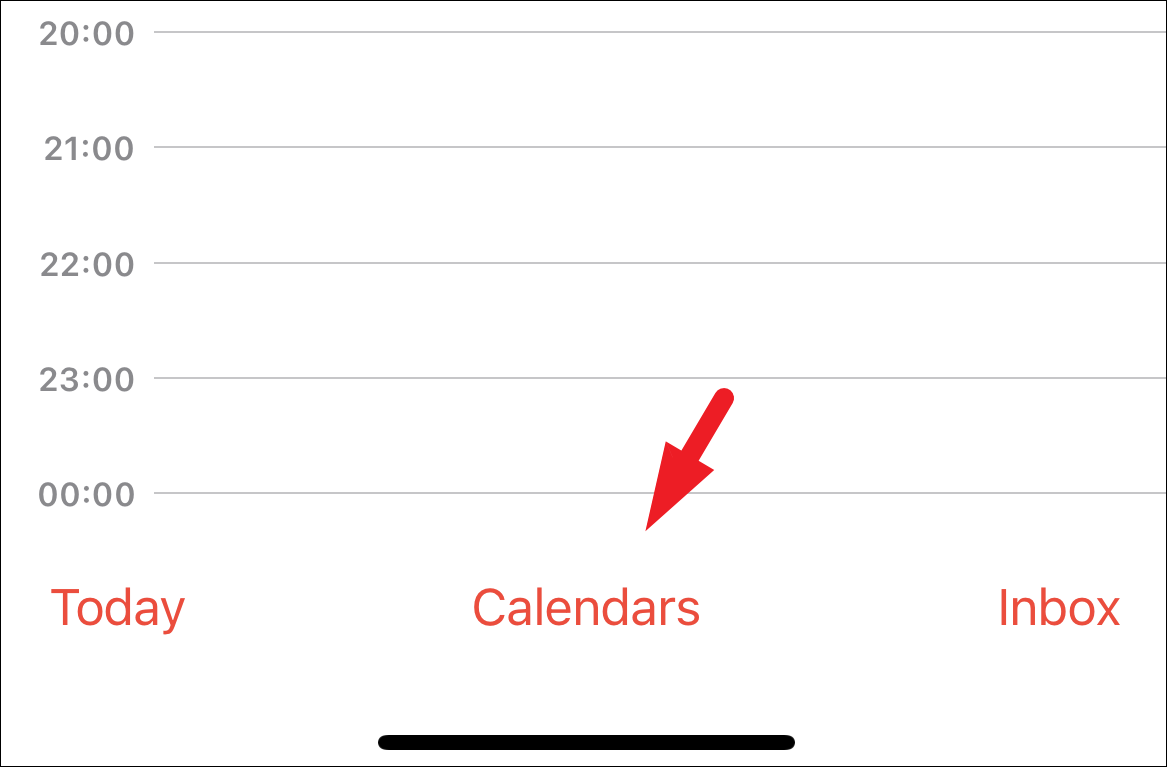
Sharing calendars between iPhone and Android devices allows for better coordination and collaboration, whether it’s for family events, work schedules, or shared projects. There are several methods to achieve this, each with its own advantages and disadvantages.
Using Google Calendar
Google Calendar is a popular choice for sharing calendars across different platforms. It offers a seamless experience for both iPhone and Android users.
- Creating Shared Calendars: You can create a shared calendar within Google Calendar and invite others to join. This allows everyone to view and edit events on the shared calendar.
- Adding Other Calendars: You can also subscribe to other Google Calendars, even if they’re not shared explicitly. This allows you to view events from other calendars without having editing privileges.
- Synchronization: Google Calendar automatically syncs across devices, ensuring that changes made on one device are reflected on others. This includes iPhone, Android, computers, and even web browsers.
Advantages:
- Cross-platform compatibility: Google Calendar works seamlessly across iPhone, Android, and other platforms.
- Easy to use: The interface is intuitive and user-friendly, making it simple to create, share, and manage calendars.
- Automatic synchronization: Changes made on one device are automatically reflected on others, ensuring everyone is on the same page.
- Extensive features: Google Calendar offers a wide range of features, including color-coding, reminders, and integration with other Google services.
Disadvantages:
- Requires a Google Account: You need a Google account to use Google Calendar, which may not be ideal for those who prefer privacy or don’t want to use Google services.
- Limited customization: While Google Calendar offers some customization options, it’s not as extensive as some dedicated calendar apps.
Using iCloud Calendar
iCloud Calendar is Apple’s native calendar app and is integrated with the iPhone’s ecosystem.
- Sharing Calendars: You can share your iCloud calendar with others by sending them an invitation link. This allows them to view and edit events on your calendar.
- Subscription: Others can subscribe to your iCloud calendar to view your events without having editing privileges.
- Synchronization: iCloud Calendar automatically syncs across all Apple devices, including iPhones, iPads, and Macs.
Advantages:
- Seamless integration with Apple devices: iCloud Calendar is deeply integrated with Apple’s ecosystem, making it a convenient choice for iPhone users.
- Strong privacy: iCloud Calendar is backed by Apple’s focus on privacy, offering a secure environment for managing calendars.
Disadvantages:
- Limited Android compatibility: iCloud Calendar doesn’t offer the same level of integration with Android devices as Google Calendar. While you can access it through a web browser, the experience might not be as seamless.
- Fewer features: Compared to Google Calendar, iCloud Calendar offers fewer features and customization options.
Using Third-Party Apps
There are several third-party calendar apps available that offer cross-platform compatibility and additional features.
- Cozi: Cozi is a popular family calendar app that allows you to share calendars with family members. It offers features like shared grocery lists, to-do lists, and meal planning.
- Calendar 5: Calendar 5 is a calendar app that focuses on simplicity and ease of use. It offers features like color-coding, reminders, and the ability to share calendars with others.
- Any.do: Any.do is a to-do list and calendar app that offers cross-platform compatibility. It allows you to share calendars and to-do lists with others, making it suitable for both personal and professional use.
Advantages:
- Cross-platform compatibility: Many third-party apps offer seamless integration with both iPhone and Android devices.
- Additional features: Third-party apps often provide features that aren’t available in native calendar apps, such as task management, to-do lists, and more.
- Customization: Some third-party apps offer greater customization options than native calendar apps.
Disadvantages:
- Subscription fees: Some third-party apps require a subscription to access all features.
- Data privacy concerns: Using third-party apps raises concerns about data privacy, as the app developer may have access to your calendar data.
Comparison Table
| Method | Ease of Use | Features | Compatibility |
|---|---|---|---|
| Google Calendar | Easy | Extensive | Cross-platform |
| iCloud Calendar | Easy | Limited | Apple devices only (limited Android support) |
| Third-Party Apps | Varies | Wide range | Cross-platform |
Using iCloud Calendar
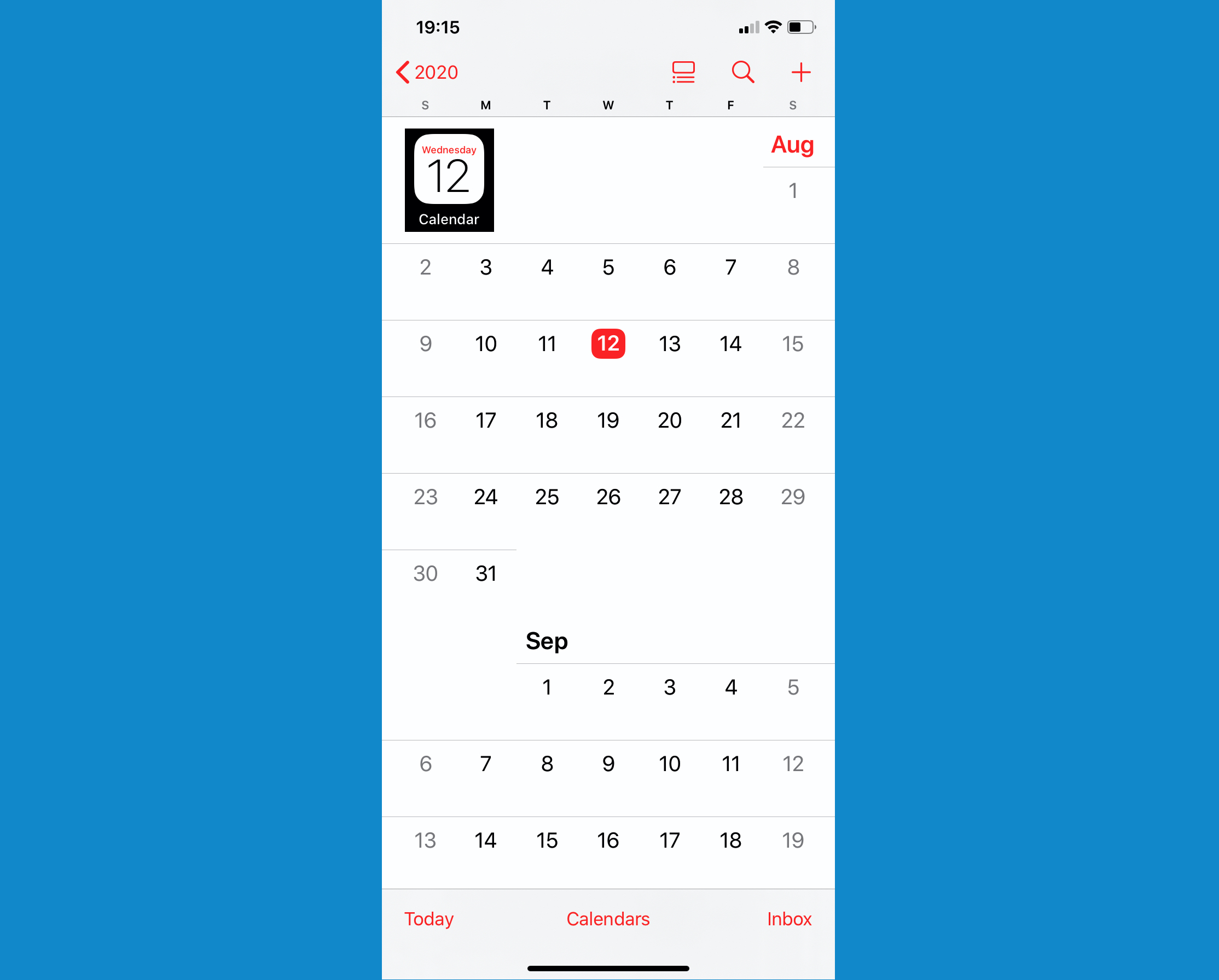
iCloud Calendar is a robust calendar application that seamlessly integrates with Apple devices, allowing users to share calendars with others, even those using Android devices. Sharing calendars through iCloud is a convenient way to stay organized and ensure everyone is on the same page.
Sharing Calendars on iPhone Devices
Sharing calendars on iPhone devices using iCloud is a straightforward process. Here’s how to do it:
- Open the “Calendar” app on your iPhone.
- Tap the “Calendars” tab at the bottom of the screen.
- Select the calendar you want to share.
- Tap the “Info” button (the circle with an “i” inside) in the upper-right corner.
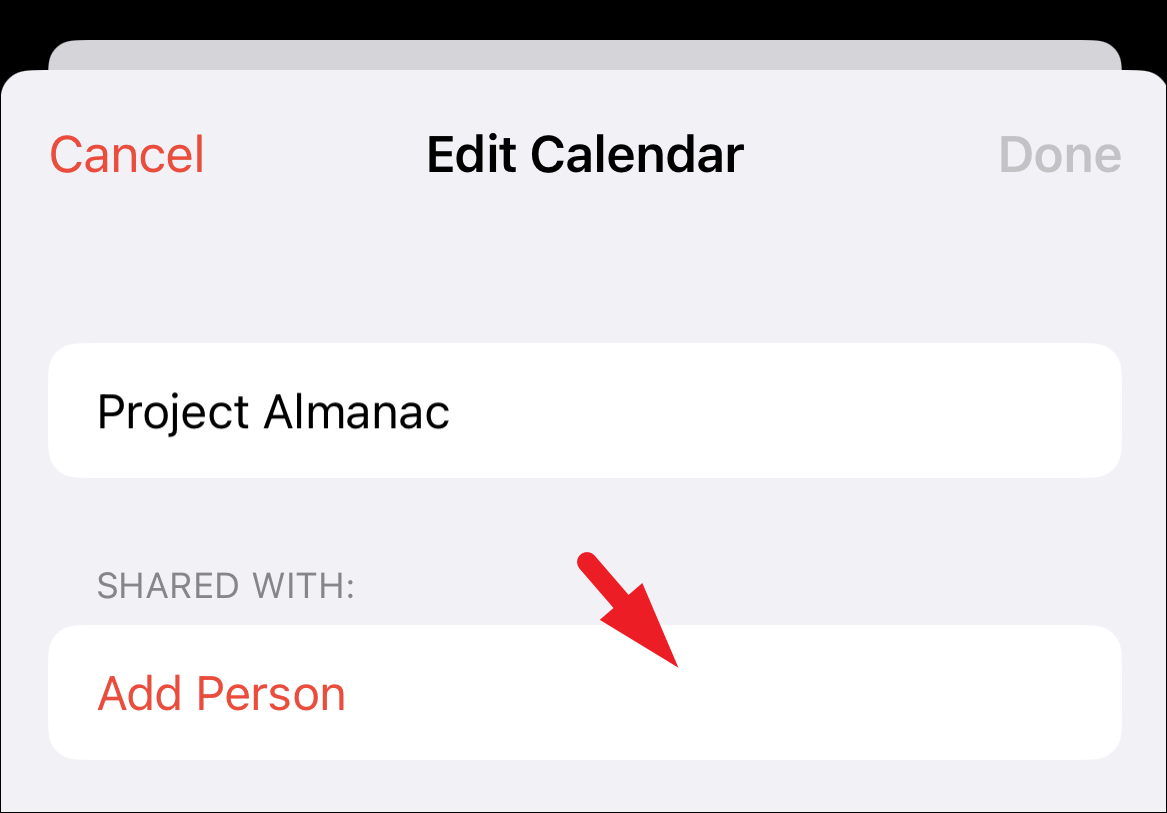
- Scroll down to the “Add Person” section and tap on it.
- Enter the email address of the person you want to share the calendar with.
- Choose the level of access you want to grant: “Can See All Events” or “Can See Free/Busy”.
- Tap “Add” to finalize the sharing process.
The recipient will receive an email notification with a link to accept the calendar sharing invitation. Once they accept, the shared calendar will appear on their device.
Adding and Managing Shared Calendars on Android Devices
While Android devices do not have direct integration with iCloud, there are methods to add and manage shared calendars from iCloud. Here’s how:
- Open the “Google Calendar” app on your Android device.
- Tap the “Menu” button (three horizontal lines) in the upper-left corner.
- Select “Settings” from the menu.
- Choose “Accounts” and then “Add account”.
- Select “Other” from the list of account types.
- Enter the email address associated with your iCloud account and the corresponding password.
- Select the “Calendar” option to grant access to your iCloud calendar.
- Tap “Next” to complete the setup.
Once you have successfully added your iCloud account, your shared calendars will appear in the “Google Calendar” app on your Android device.
Comparing iCloud Calendar with Google Calendar for Sharing
iCloud Calendar and Google Calendar both offer features for sharing calendars, but there are key differences:
| Feature | iCloud Calendar | Google Calendar |
|---|---|---|
| Platform Integration | Seamless integration with Apple devices | Cross-platform compatibility with Android and iOS |
| Sharing Capabilities | Limited to sharing with other Apple users and those with an iCloud account | Broader sharing options, including public calendars |
| Collaboration Features | Basic collaboration features | Advanced collaboration features, such as real-time editing and task assignments |
Google Calendar offers a wider range of sharing options and more advanced collaboration features, making it a more versatile choice for sharing calendars with individuals across various platforms. However, iCloud Calendar provides a seamless experience for Apple users, especially those who primarily rely on Apple devices.
Tips and Best Practices: Share Calendar Between Iphone And Android
Sharing calendars effectively requires careful planning and execution. Optimizing shared calendars involves considering access permissions, communication, and maintaining a clear structure for everyone involved. By implementing these tips and best practices, you can ensure smooth and efficient calendar collaboration between iPhone and Android users.
Managing Permissions and Access Control
Permissions and access control are critical for managing shared calendars effectively. You can tailor permissions to specific users or groups, granting different levels of access based on their roles and responsibilities.
Sharing calendars between iPhones and Androids can be a real head-scratcher, like trying to figure out why your cat suddenly decided to become a gourmet chef. But at least you can protect your iPhone 15 Pro Max’s camera with a stylish lens cover, like the ones from Creativebiz. That way, you can capture all those calendar events in crystal-clear detail, even if your cat’s culinary creations turn out to be more “experimental” than “delicious.”
- Granting View-Only Access: Allowing users to view the calendar without making changes can be beneficial for information dissemination. This is ideal for sharing schedules or events that do not require input from others. For example, a team leader might share a project timeline with team members, granting them view-only access to stay informed.
- Enabling Editing Permissions: Giving users the ability to add, modify, or delete events is necessary for collaborative tasks. This is suitable for shared calendars where multiple individuals contribute to scheduling and event management. For instance, a family calendar could allow all members to add and edit events, facilitating coordination and communication.
- Restricting Access to Specific Events: Some events may require restricted access due to sensitivity or confidentiality. You can set permissions to allow only specific users to view or edit particular events. This is valuable for confidential meetings or personal appointments that are not intended for general access. Imagine a company’s calendar with sensitive board meetings, where only authorized executives have access to view or edit these specific events.
Optimizing Calendar Sharing for Different Scenarios, Share calendar between iphone and android
Adapting calendar sharing strategies to specific scenarios ensures efficient and effective communication. Consider the context, purpose, and intended audience when setting up shared calendars.
- Family Calendars: A family calendar can streamline scheduling and coordination for everyone. Each family member can add their events, enabling everyone to stay informed about appointments, school activities, and social gatherings. This can be particularly helpful for families with busy schedules and multiple children.
- Team Calendars: Sharing calendars among team members is essential for project management and collaboration. This allows everyone to see schedules, meetings, and deadlines, promoting transparency and accountability. A team calendar can also facilitate efficient resource allocation and task assignment.
- Project Calendars: For specific projects, dedicated calendars can enhance coordination and communication. Project team members can add milestones, deadlines, and tasks, keeping everyone aligned on progress and responsibilities. This fosters a clear understanding of project timelines and facilitates effective collaboration.
Troubleshooting and FAQs
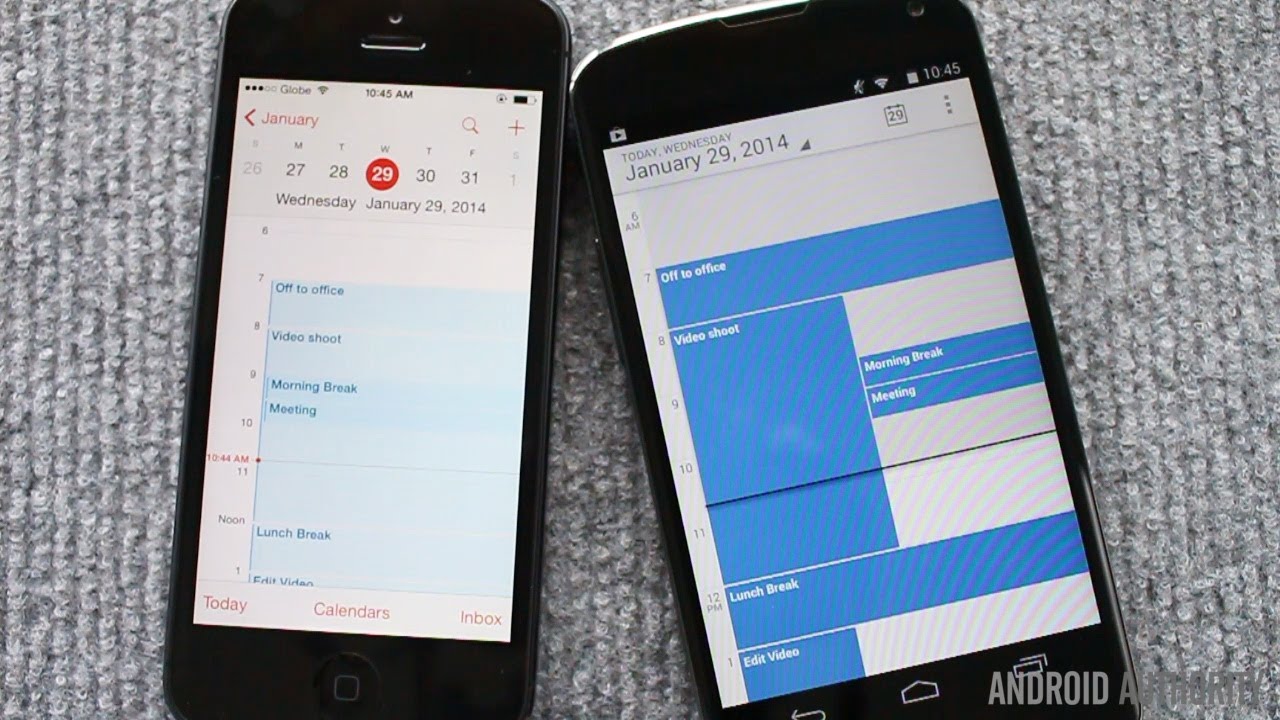
While sharing calendars between iPhone and Android devices is generally straightforward, occasional issues may arise. This section addresses common problems and provides solutions to ensure a smooth calendar-sharing experience.
Calendar Synchronization Issues
Calendar synchronization problems can occur due to various factors, including network connectivity, app glitches, or conflicting settings.
- Check Network Connection: Ensure both devices have a stable internet connection. Weak or intermittent connections can disrupt synchronization.
- Verify App Updates: Update both the Calendar app on your iPhone and the corresponding app on your Android device to the latest versions. Outdated apps may have compatibility issues.
- Restart Devices: Restarting both devices can sometimes resolve synchronization problems by clearing temporary data and refreshing the connection.
- Review Account Settings: Ensure the accounts used for calendar sharing are correctly configured on both devices. Check for any discrepancies in account names, passwords, or synchronization settings.
- Clear App Data: Clearing the Calendar app data on both devices can sometimes resolve synchronization issues. However, this will also delete local calendar data, so ensure you have a backup before proceeding.
Calendar Not Appearing on the Other Device
If a shared calendar is not visible on the receiving device, the following troubleshooting steps can be helpful:
- Verify Sharing Permissions: Ensure that the calendar is properly shared with the intended recipient. Check the sharing settings on the sending device to confirm the correct email address or contact is added and has the necessary permissions.
- Check for Notifications: Some Android devices may require manual approval for calendar sharing requests. Check the notification settings on the Android device to see if any pending requests need to be accepted.
- Refresh Calendar List: Refresh the calendar list on the receiving device. This can sometimes force the device to update the shared calendar information.
- Remove and Re-add Calendar: Removing the shared calendar from the receiving device and re-adding it can sometimes resolve visibility issues. This ensures the calendar is properly linked to the account.
Calendar Events Not Syncing
If calendar events are not syncing properly between devices, the following steps can help:
- Check Sync Settings: Ensure the calendar sync settings are enabled on both devices. Some apps may have separate settings for specific calendars or accounts.
- Verify Time Zones: Ensure both devices are set to the correct time zone. Time zone discrepancies can lead to event scheduling conflicts.
- Review Event Details: Check for any errors in the event details, such as incorrect dates, times, or locations. These errors can prevent the event from syncing properly.
- Force Sync: Manually force a calendar sync on both devices to update the event information. This can be done through the app settings or by refreshing the calendar list.
Other Frequently Asked Questions
- Can I share a calendar with multiple people? Yes, you can share a calendar with multiple people by adding their email addresses or contacts to the sharing settings. Each recipient will need to have the necessary permissions to access the calendar.
- Can I share only specific events? Some calendar apps allow you to share specific events instead of the entire calendar. Check the app settings for this option.
- Can I share a calendar with someone who does not have an iPhone or Android device? Yes, you can share a calendar with someone who uses a different operating system by exporting the calendar as a file and sending it to them. They can then import the file into their calendar app.
- Can I edit shared calendar events? The editing permissions for shared calendar events depend on the sharing settings. You may have full editing rights, limited editing rights, or only view-only access.
Popular Questions
What are the most common challenges when sharing calendars between iPhone and Android?
Some common challenges include compatibility issues, data syncing delays, and limitations in feature availability across platforms. It’s important to choose a method that addresses these potential obstacles.
Can I share specific calendars or just my entire calendar?
Most methods allow you to share specific calendars, granting different levels of access and permissions. This ensures you can selectively share relevant information without exposing your entire schedule.
Is there a way to share calendars with people who don’t have a smartphone?
While sharing directly with non-smartphone users can be challenging, you can export your calendar as an ICS file and share it via email or other platforms.
