
- NJ Motion Calendar Overview
- 2. Key Dates and Deadlines
- 3. Motion Filing Procedures in New Jersey
- Motion Calendar Hearings
- Types of Motions in NJ Courts
- Motion Calendar Resources
- Best Practices for Motion Filing
- 9. Changes and Updates to the NJ Motion Calendar for 2024-2025
- Case Studies and Examples
- Comparison with Other Jurisdictions
- 12. Impact on Case Management
- Ethical Considerations: Nj Motion Calendar 2024-2025
- Challenges and Future Directions
- Impact on Access to Justice
- FAQ Summary
NJ Motion Calendar 2024-2025 serves as a comprehensive roadmap for navigating the intricacies of legal proceedings in New Jersey. This calendar meticulously Artikels critical deadlines, motion filing procedures, and essential resources, providing a clear and concise guide for both legal professionals and individuals navigating the complexities of the New Jersey legal system.
The NJ Motion Calendar plays a pivotal role in ensuring the smooth and efficient operation of the state’s legal system. By providing a centralized repository of deadlines and procedures, it streamlines the litigation process, promotes fairness, and ensures that all parties involved are aware of their obligations and rights. This calendar is essential for legal professionals, litigants, and anyone seeking to understand the mechanics of motion practice in New Jersey.
NJ Motion Calendar Overview
The NJ Motion Calendar is a critical tool in the New Jersey legal system, serving as a centralized hub for scheduling and managing various motions filed in civil and criminal cases. It plays a vital role in ensuring the efficient and orderly flow of legal proceedings.
Purpose and Function of the NJ Motion Calendar
The NJ Motion Calendar’s primary goal is to streamline the process of scheduling and hearing motions in New Jersey courts. It acts as a central repository for all motion-related information, facilitating communication and coordination among judges, attorneys, and court staff. This calendar is designed to enhance efficiency and transparency in the legal process.The intended users of the NJ Motion Calendar include:* Judges: They use the calendar to manage their dockets, schedule hearings, and track the status of pending motions.
Attorneys
Attorneys rely on the calendar to stay informed about upcoming motion deadlines, schedule appearances, and prepare for hearings.
Court staff
The calendar helps court staff to process motions, schedule hearings, and maintain records.The calendar facilitates the legal process in New Jersey by:* Organizing motion hearings: The calendar helps to ensure that motions are heard in a timely and efficient manner, reducing delays and backlogs in the court system.
Improving communication
The calendar provides a central platform for communication between judges, attorneys, and court staff, reducing misunderstandings and ensuring that all parties are aware of important deadlines and events.
Enhancing transparency
The calendar makes information about pending motions publicly available, promoting transparency and accountability in the legal system.
Types of Motions on the NJ Motion Calendar
The NJ Motion Calendar typically includes a wide range of motions filed in various legal proceedings. These motions can be categorized based on their purpose and significance in the legal process.* Discovery motions: These motions seek to compel the production of evidence or information relevant to the case. Examples include motions to compel discovery, motions to quash subpoenas, and motions for protective orders.
Summary judgment motions
These motions seek a judgment in favor of the moving party without a full trial, arguing that there are no genuine issues of material fact in dispute.
Dismissal motions
These motions seek to dismiss the case based on various grounds, such as lack of jurisdiction, failure to state a claim, or statute of limitations.
Injunction motions
These motions seek to prevent or stop a particular action or behavior.
Post-trial motions
These motions are filed after a trial, seeking to overturn the verdict or modify the judgment. Examples include motions for a new trial, motions for judgment notwithstanding the verdict, and motions for relief from judgment.
Structure and Organization of the NJ Motion Calendar
The NJ Motion Calendar is organized by court, case type, and motion type. Motions are typically categorized based on the type of legal proceeding (e.g., civil, criminal, family) and the specific court where the case is pending.Motions are generally prioritized based on their urgency and importance. For instance, motions for emergency relief or those affecting the trial schedule may be given higher priority.The calendar is updated and maintained by court staff, who ensure that all motion filings are entered accurately and promptly.
Updates are made regularly to reflect new filings, scheduling changes, and other relevant information.Entries on the NJ Motion Calendar typically include:* Date and time of the motion hearing: This information indicates when the motion will be heard before the judge.
Case number
This number uniquely identifies the case in which the motion is filed.
Motion type
This indicates the specific type of motion being filed.
Parties involved
This lists the names of the parties involved in the case.
Brief description of the motion
This provides a summary of the arguments and relief sought in the motion.Here is a hypothetical example of how a motion would be presented on the NJ Motion Calendar:| Date & Time | Case Number | Motion Type | Parties Involved | Description ||—|—|—|—|—|| 2024-01-15, 10:00 AM | 2023-0001 | Motion to Compel Discovery | John Smith v. Jane Doe | Defendant seeks to compel Plaintiff to produce documents related to the accident.
|
NJ Motion Calendar for Legal Professionals
For legal professionals unfamiliar with New Jersey legal procedures, the NJ Motion Calendar is an essential tool for navigating the legal process in the state. The calendar provides a clear and concise overview of pending motions, their scheduling, and the relevant case information.The NJ Motion Calendar’s unique features include:* Centralized scheduling: The calendar serves as a single point of reference for all motion-related information, eliminating the need to check multiple sources.
Real-time updates
The calendar is updated regularly to reflect new filings, scheduling changes, and other relevant information, ensuring that legal professionals have access to the most up-to-date information.
Public access
The calendar is accessible to the public, promoting transparency and accountability in the legal system.
2. Key Dates and Deadlines
Navigating the legal landscape can feel like a dance with deadlines, and in New Jersey, knowing the key dates for filing motions is crucial. Missing these deadlines can lead to consequences, from simply losing the opportunity to file a motion to facing dismissal or even penalties.
Key Dates and Deadlines for Filing Motions in New Jersey
The following table provides a summary of key deadlines for common motion types in New Jersey:
| Motion Type | Deadline | Consequences of Missing Deadline |
|---|---|---|
| Motion to Dismiss | 30 days after service of the complaint (R. 4:6-2(e)) | Waiver of the right to file the motion, dismissal of the motion, and potential for sanctions. |
| Motion for Summary Judgment | 30 days before trial (R. 4:46-1) | Dismissal of the motion, waiver of the right to raise certain arguments at trial, and potential for sanctions. |
| Motion for Reconsideration | 14 days after the ruling (R. 4:49-1) | Dismissal of the motion, waiver of the right to appeal the ruling, and potential for sanctions. |
| Motion to Amend Pleadings | Generally, leave to amend is freely given (R. 4:9-1), but deadlines may apply in specific circumstances. | Dismissal of the motion, denial of leave to amend, and potential for sanctions. |
| Motion to Strike | Within 20 days after service of the pleading (R. 4:6-4) | Dismissal of the motion, denial of the motion to strike, and potential for sanctions. |
Consequences of Missing Deadlines
Missing a deadline for filing a motion can have serious consequences. For example, if you miss the deadline to file a motion to dismiss, you may be barred from raising certain arguments later in the case. This could result in a dismissal of your case or the loss of valuable defenses. It’s crucial to remember that missing deadlines is not a minor oversight.
The courts take deadlines seriously, and missing them can have significant ramifications.
Specific Deadlines for Different Types of Motions
Specific deadlines may apply depending on the type of motion, the court, and the type of case. For instance, in federal court, the deadlines for filing motions may be different from the deadlines in state court. Additionally, certain types of motions, like motions to suppress evidence in criminal cases, may have specific deadlines.
Example: In a criminal case, a motion to suppress evidence must be filed within 30 days of arraignment (R. 3:11-3).
It’s important to consult with an experienced attorney to ensure you understand the specific deadlines that apply to your case.
3. Motion Filing Procedures in New Jersey
Navigating the NJ Motion Calendar requires understanding the procedures for filing motions. This section delves into the steps involved, electronic filing procedures, required documents, and helpful resources for successful motion filing in New Jersey.
3.1. Filing a Motion on the NJ Motion Calendar
Filing a motion on the NJ Motion Calendar involves specific steps and deadlines. Understanding these procedures ensures your motion is properly filed and scheduled for a hearing.
- The process for scheduling a motion hearing begins with filing a motion with the court. This typically involves completing a motion form, outlining the legal arguments and relief sought. The court then schedules a hearing date based on the calendar’s availability.
- Deadlines for filing motions vary depending on the type of motion and the specific court rules. These deadlines are typically Artikeld in the court’s rules or local practice guidelines. It is crucial to review these guidelines carefully to ensure timely filing.
- Motions are categorized and prioritized based on their urgency and the nature of the case. For instance, motions for temporary restraining orders are generally prioritized over motions for summary judgment.
- The court clerk plays a vital role in the motion filing process. They receive and process motions, schedule hearings, and manage the calendar. The clerk also ensures compliance with court rules and procedures.
3.2. Electronic Filing in New Jersey
Electronic filing is becoming increasingly common in New Jersey courts. This method offers several benefits, including increased efficiency and reduced costs.
- Electronic filing in New Jersey typically involves creating an account with the court’s online filing system, uploading the motion documents, and paying the required filing fees. This process eliminates the need for physical paper copies and allows for faster processing.
- The specific software or platform required for electronic filing varies depending on the court. Most courts use dedicated online filing systems, while some may accept files in specific formats like PDF.
- Electronic motions often have specific formatting requirements, such as font size, margins, and page numbering. These requirements are typically Artikeld in the court’s electronic filing guidelines. It is essential to adhere to these guidelines to avoid rejection of your motion.
- Serving motions electronically requires using the court’s designated platform or following specific rules for electronic service. This process ensures timely and efficient delivery of the motion to the opposing party.
3.3. Required Documents and Supporting Materials
Filing a motion requires specific documents and supporting materials to present your arguments effectively.
- The required documents typically include a motion form, a brief in support of the motion, and a notice of motion. The motion form Artikels the specific relief sought, while the brief provides legal arguments and supporting evidence. The notice of motion informs the opposing party about the motion and the hearing date.
- Supporting materials can include affidavits, exhibits, and legal citations. Affidavits provide sworn statements from witnesses, while exhibits include documents, photographs, or other evidence relevant to the motion. Legal citations support the legal arguments presented in the brief.
- Formatting and content requirements for these documents may vary depending on the specific court rules. It is essential to adhere to these guidelines to ensure proper formatting and content.
- Failing to provide required documents or materials can result in the motion being dismissed or denied. It is crucial to review the court rules and ensure all necessary documents and materials are filed promptly.
3.4. Motion Filing Example
Let’s consider a motion for summary judgment in a personal injury case.
- Sample Motion Document:
MOTION FOR SUMMARY JUDGMENT
Case Name: John Doe v. Acme Corporation
Case Number: 12345/2023
Plaintiff: John Doe
Defendant: Acme Corporation
Date: January 1, 2024
Judge: Hon. Jane Smith
Motion Filed By: Attorney for Plaintiff
Motion: Motion for Summary Judgment
Relief Sought: Entry of summary judgment in favor of Plaintiff on all claims.
Grounds: Defendant failed to provide any evidence to rebut Plaintiff’s prima facie case of negligence. - Sample Brief in Support of the Motion:
BRIEF IN SUPPORT OF MOTION FOR SUMMARY JUDGMENT
Case Name: John Doe v. Acme Corporation
Case Number: 12345/2023
Introduction:
This brief supports Plaintiff’s Motion for Summary Judgment. Plaintiff seeks summary judgment on all claims against Defendant based on Defendant’s failure to provide any evidence to rebut Plaintiff’s prima facie case of negligence.
Background:
On [Date], Plaintiff was injured when he slipped and fell on a wet floor at Defendant’s store.Plaintiff filed a complaint alleging negligence against Defendant.
Arguments:
Plaintiff has established a prima facie case of negligence. Plaintiff was injured as a result of Defendant’s negligence in failing to maintain a safe environment for its customers. Defendant has not provided any evidence to rebut Plaintiff’s prima facie case.
Conclusion:
For the foregoing reasons, Plaintiff respectfully requests that this Court grant his Motion for Summary Judgment. - Checklist of Required Documents and Supporting Materials:
- Motion for Summary Judgment
- Brief in Support of Motion for Summary Judgment
- Notice of Motion
- Affidavit of John Doe
- Exhibit A: Photographs of the accident scene
- Exhibit B: Police report
- Exhibit C: Medical records
3.5. Motion Filing Resources
Navigating the motion filing process in New Jersey can be simplified with the help of available resources.
- Official Court Websites and Online Filing Systems:
- New Jersey Judiciary website: https://www.njcourts.gov/
- Online Filing System: https://www.njcourts.gov/e-filing/
- Relevant Rules of Court and Procedural Guidelines:
- New Jersey Court Rules: https://www.njcourts.gov/rules/
- Local Practice Guidelines: Available on individual court websites
- Sample Motion Forms and Templates:
- New Jersey Judiciary website: https://www.njcourts.gov/forms/
- Legal research databases: Westlaw, LexisNexis
- Legal Research Databases and Resources:
- Westlaw: https://www.westlaw.com/
- LexisNexis: https://www.lexisnexis.com/
- FindLaw: https://www.findlaw.com/
3.6. Motion Filing Tips
Successfully filing motions in New Jersey requires attention to detail and adherence to court procedures.
- Write clear and concise motions and briefs. Use plain language and avoid legal jargon whenever possible. Organize your arguments logically and use headings and subheadings to improve readability.
- Effectively present legal arguments and supporting evidence. Clearly state your legal arguments and provide supporting evidence, such as case law, statutes, and factual evidence. Use persuasive language and avoid making unsupported claims.
- Navigate the court’s electronic filing system efficiently. Familiarize yourself with the court’s online filing system and its requirements. Ensure your files are properly formatted and uploaded to the correct location.
- Properly serve motions and other court documents. Follow the court’s rules for service and ensure timely delivery of documents to the opposing party. Use the court’s electronic service system or follow the rules for traditional service methods.
Motion Calendar Hearings
Motion calendar hearings are a crucial part of the litigation process in New Jersey. These hearings provide an opportunity for the court to address procedural matters, rule on motions, and set the stage for the trial.
Format and Procedure
Motion calendar hearings are typically scheduled for a specific date and time. The hearing is usually conducted in a courtroom setting. The judge presiding over the hearing will typically call the case and ask the attorneys for each party to present their arguments. The judge will then rule on the motion, either granting or denying it.
- Timeline: The timeline for scheduling and conducting a motion calendar hearing can vary depending on the complexity of the case and the court’s schedule. Generally, a motion must be filed with the court a certain number of days in advance of the hearing. The court will then set a date and time for the hearing. The hearing itself typically lasts for a few minutes, unless there are complex issues to be discussed.
- Stages: Motion calendar hearings typically involve the following stages:
- Call of the case: The judge calls the case and asks the attorneys for each party to identify themselves.
- Presentation of arguments: The attorneys for each party present their arguments to the judge. This may involve oral arguments, the submission of written briefs, or both.
- Judge’s ruling: The judge will then rule on the motion, either granting or denying it. The judge may also issue an order outlining the reasons for their ruling.
- Forms and documents: The specific forms and documents that need to be filed in advance of the hearing will vary depending on the type of motion being heard. However, in general, the following documents are typically required:
- Notice of Motion: This document formally notifies the other party of the motion being filed.
- Motion: This document sets forth the legal basis for the motion and the relief being requested.
- Brief: This document provides a more detailed legal argument in support of the motion.
- Supporting Affidavits: These documents provide sworn statements from witnesses that support the factual basis for the motion.
- Exhibits: These documents are any other relevant evidence that supports the motion.
Roles of the Judge and Parties
The judge and the parties involved play distinct roles in a motion calendar hearing.
- Judge’s responsibilities: The judge’s responsibilities during a motion calendar hearing include:
- Hearing arguments: The judge must listen to the arguments presented by each party.
- Reviewing evidence: The judge must review the evidence submitted by each party to determine the facts of the case.
- Applying the law: The judge must apply the relevant law to the facts of the case to reach a decision on the motion.
- Issuing rulings: The judge must issue a ruling on the motion, either granting or denying it.
- Attorneys’ responsibilities: The attorneys representing each party have the following responsibilities:
- Preparing for the hearing: Attorneys must thoroughly prepare for the hearing by researching the law, reviewing the evidence, and preparing their arguments.
- Presenting arguments: Attorneys must present their arguments to the judge in a clear and concise manner.
- Responding to opposing arguments: Attorneys must be prepared to respond to the arguments presented by the other party.
- Non-attorney parties: Non-attorney parties can participate in the hearing, but they may need to be represented by an attorney. They may be able to present arguments in person, but they should check with the court beforehand to confirm the procedures.
Arguments Presented
Motion calendar hearings often involve arguments related to various legal issues.
- Common types of motions: Some common types of motions that are typically heard in a motion calendar include:
- Motion to Dismiss: This motion seeks to dismiss a lawsuit for lack of legal basis or for failure to state a claim.
- Motion for Summary Judgment: This motion seeks to obtain a judgment in favor of the moving party without a trial, based on the argument that there is no genuine dispute as to any material fact.
- Motion for Discovery: This motion seeks to compel the other party to produce documents or other evidence.
- Motion to Strike: This motion seeks to strike certain portions of a pleading or other document.
- Key arguments: The arguments presented during a motion calendar hearing will vary depending on the type of motion being heard. However, some common arguments include:
- Legal arguments: Parties may argue that the other party’s claim is not supported by the law or that the other party has failed to meet the legal requirements for the motion.
- Factual arguments: Parties may argue that the other party’s factual allegations are not supported by the evidence or that the other party has failed to prove their case.
- Procedural arguments: Parties may argue that the other party has violated procedural rules or that the court lacks jurisdiction to hear the case.
- Legal precedents: Parties may cite legal precedents or case law to support their arguments. These precedents provide guidance on how the law has been interpreted in similar cases. The judge will consider these precedents when making their ruling on the motion.
Sample Motion Calendar Hearing Script
Here is a sample script for a motion calendar hearing:
Judge: Good morning, everyone. We are now on the case of John Smith v. Jane Doe. Mr. Jones, you are representing the plaintiff, John Smith?
Mr. Jones: Yes, your honor. Judge: And Ms. Brown, you are representing the defendant, Jane Doe? Ms. Brown: Yes, your honor. Judge: The court is aware that the plaintiff has filed a motion for summary judgment.
Mr. Jones, would you like to present your arguments in support of the motion? Mr. Jones: Yes, your honor. The plaintiff is seeking summary judgment on the issue of liability. We believe that the evidence clearly shows that the defendant was negligent and caused the plaintiff’s injuries.
We have provided the court with sworn statements from witnesses and other evidence that supports our claim. Ms. Brown: Your honor, we object to the motion for summary judgment. We believe that there are genuine issues of material fact in dispute. The plaintiff has not provided sufficient evidence to support their claim of negligence. We have also presented evidence that contradicts the plaintiff’s allegations.
Judge: Thank you, counsel. The court has reviewed the evidence and the arguments presented by both parties. The court finds that there are genuine issues of material fact in dispute. The motion for summary judgment is therefore denied. Mr. Jones: Your honor, we respectfully disagree with the court’s ruling.
Judge: The court understands your position, Mr. Jones. However, the court finds that there are sufficient factual disputes to warrant a trial. The case will proceed to trial on the issue of liability.
Types of Motions in NJ Courts
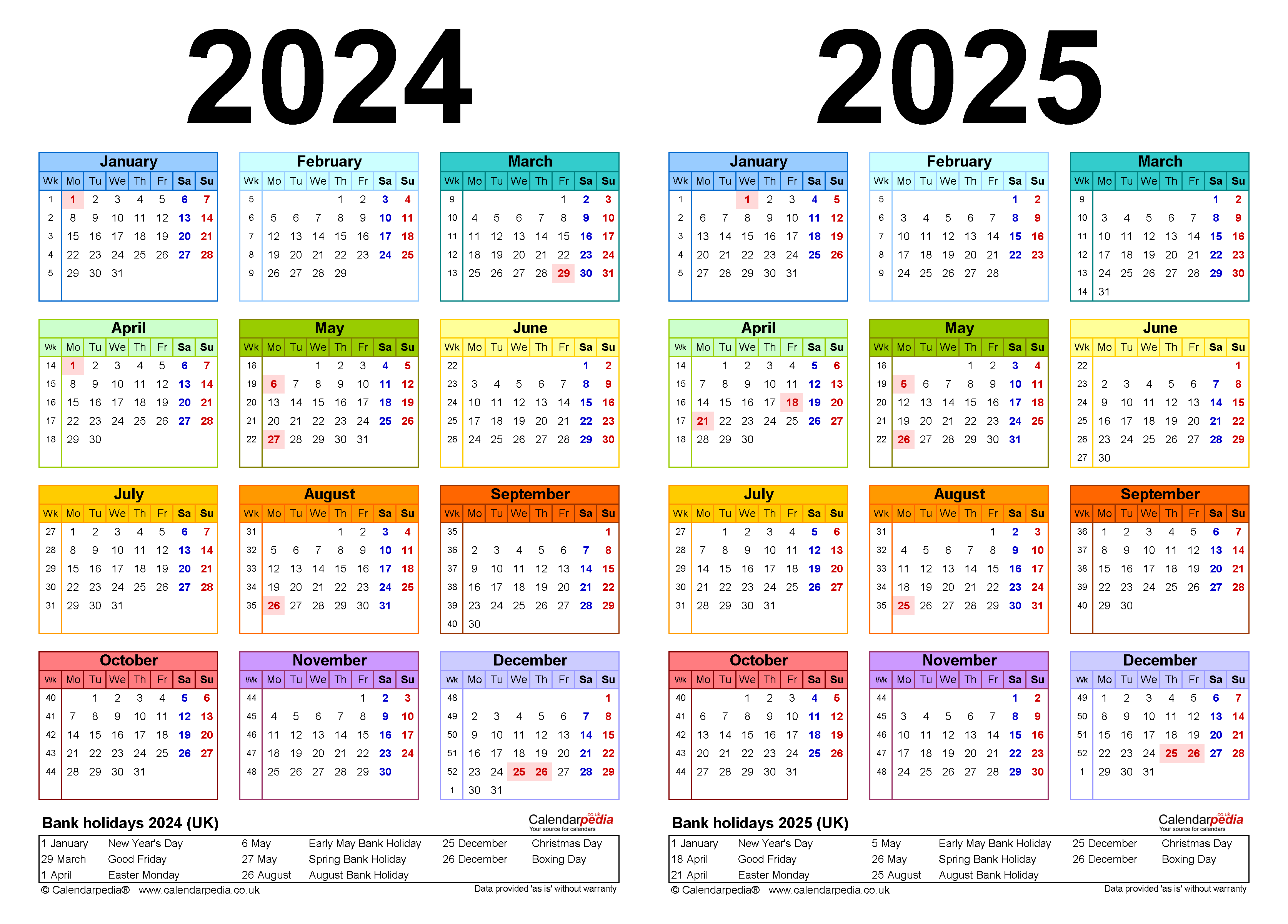
Motions are formal requests made to a court to obtain a specific order or ruling. They are an essential part of the litigation process, allowing parties to raise legal arguments and seek relief from the court. Understanding the different types of motions filed in NJ courts is crucial for both attorneys and litigants.
The NJ Motion Calendar for 2024-2025 is a valuable resource for legal professionals, offering a comprehensive overview of upcoming court dates and deadlines. It’s a reminder that time marches on, just like a soldier’s career, with milestones like the attainment of the sp5 military rank marking significant progress. The calendar helps us stay organized and focused, much like a well-disciplined military unit, ensuring we meet all our obligations within the legal system.
This section will categorize and elaborate on the various types of motions commonly filed in NJ courts, outlining their purpose, potential outcomes, and specific examples of when they might be used.
Types of Motions in NJ Courts
Motions in NJ courts can be categorized based on their purpose and the stage of the litigation process in which they are filed. Here is a list of some common motion types:
- Motion to Dismiss: This motion is filed to request that the court dismiss a lawsuit entirely. It can be based on various grounds, such as lack of jurisdiction, failure to state a claim, or insufficiency of service of process.
- Purpose: To terminate a lawsuit due to a procedural or substantive defect.
- Outcome: Dismissal of the lawsuit, either with or without prejudice.
- Example: A defendant may file a motion to dismiss if the plaintiff fails to properly serve the complaint or if the complaint does not allege sufficient facts to support a legal claim.
- Motion for Summary Judgment: This motion is filed to request that the court enter judgment in favor of the moving party without a trial. It is based on the argument that there is no genuine dispute of material fact and that the moving party is entitled to judgment as a matter of law.
- Purpose: To obtain a judgment in favor of the moving party without a trial, based on the absence of genuine issues of material fact.
- Outcome: Granting of summary judgment in favor of the moving party, or denial of the motion and proceeding to trial.
- Example: A plaintiff may file a motion for summary judgment if the defendant admits to all the essential elements of the plaintiff’s claim.
- Motion for Reconsideration: This motion is filed to request that the court reconsider a prior ruling or order. It is often based on new evidence or arguments that were not previously presented to the court.
- Purpose: To request that the court reconsider a prior ruling or order, based on new evidence or arguments.
- Outcome: Granting or denial of the motion for reconsideration, potentially leading to a modification or reversal of the prior ruling.
- Example: A party may file a motion for reconsideration if they discover new evidence that was not available at the time of the initial ruling.
- Motion for a Protective Order: This motion is filed to request that the court issue an order to protect a party from undue discovery requests or other burdensome or oppressive litigation tactics.
- Purpose: To shield a party from burdensome or oppressive discovery requests or other litigation tactics.
- Outcome: Granting or denial of the motion, potentially limiting the scope of discovery or modifying litigation procedures.
- Example: A party may file a motion for a protective order to prevent the disclosure of confidential information or to limit the number of interrogatories that can be served.
- Motion for Sanctions: This motion is filed to request that the court impose sanctions on a party for violating court rules or engaging in improper litigation conduct.
- Purpose: To seek penalties against a party for violating court rules or engaging in improper litigation conduct.
- Outcome: Imposition of sanctions, such as fines, dismissal of claims, or other penalties.
- Example: A party may file a motion for sanctions if the opposing party fails to comply with a discovery order.
- Motion for a New Trial: This motion is filed to request that the court order a new trial after a judgment has been entered. It is typically based on allegations of error in the trial proceedings, such as jury misconduct or improper admission of evidence.
- Purpose: To request a new trial after a judgment has been entered, based on allegations of error in the trial proceedings.
- Outcome: Granting or denial of the motion, potentially leading to a new trial.
- Example: A party may file a motion for a new trial if they believe that the jury was improperly influenced by outside information.
- Motion to Amend Pleadings: This motion is filed to request that the court allow a party to amend their complaint or answer to add or change allegations.
- Purpose: To request permission to amend pleadings to add or change allegations.
- Outcome: Granting or denial of the motion, potentially allowing the party to amend their pleadings.
- Example: A plaintiff may file a motion to amend their complaint to add a new claim after discovering additional evidence.
- Motion to Compel Discovery: This motion is filed to request that the court order a party to respond to discovery requests.
- Purpose: To force a party to respond to discovery requests.
- Outcome: Ordering the party to respond to discovery requests or denying the motion.
- Example: A plaintiff may file a motion to compel discovery if the defendant fails to provide answers to interrogatories.
- Motion for a Stay: This motion is filed to request that the court temporarily halt the proceedings in a case.
- Purpose: To temporarily halt proceedings in a case.
- Outcome: Granting or denial of the motion, potentially leading to a temporary suspension of litigation.
- Example: A party may file a motion for a stay if they are involved in another lawsuit that may impact the current case.
Motion Calendar Resources
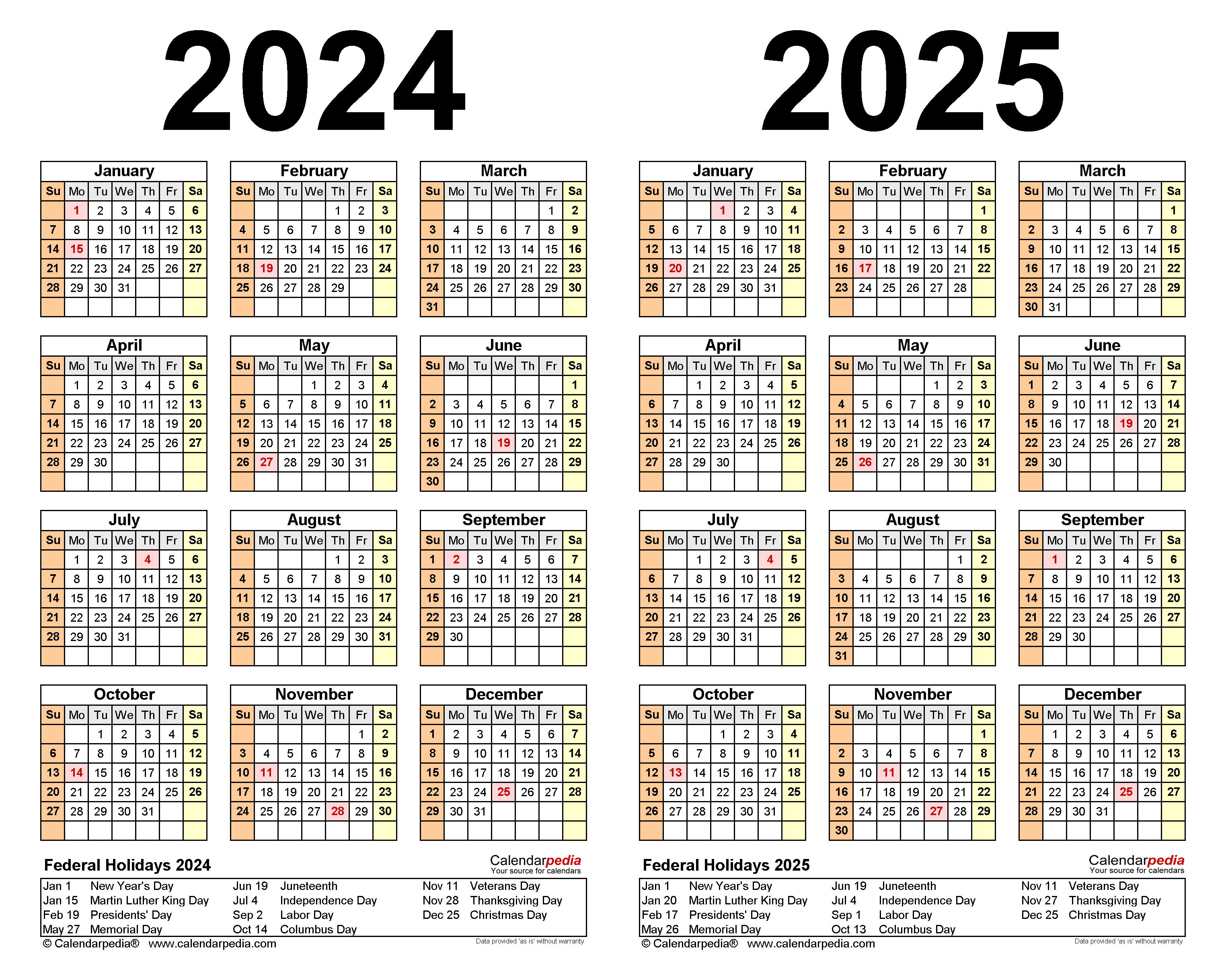
Navigating the New Jersey Motion Calendar can be a daunting task, especially for those unfamiliar with the court system. Thankfully, a wealth of resources are available to guide legal professionals and self-represented litigants through the process. This section provides a comprehensive overview of these resources, helping you navigate the complexities of motion practice in New Jersey.
Official Court Websites
The New Jersey Judiciary’s official website is your primary source for information on court procedures, rules, and forms. This website provides access to essential resources, including:
- Court Rules: The New Jersey Court Rules, which Artikel the procedures for filing motions and attending hearings.
- Practice Guides: Comprehensive guides published by the NJ Courts that provide detailed instructions on specific legal topics, including motion practice.
- Online Calendar System: The court’s online calendar system, which allows you to search for upcoming motion hearings and track the status of your cases.
- Contact Information: Contact information for court clerks, judges, and other staff members.
County-Specific Websites
Each county in New Jersey has its own website, which often provides additional information about local court procedures and resources. For example, the website for the Superior Court of New Jersey, Essex County, may provide details on specific motion deadlines and procedures for that particular county.
Legal Organizations
Several legal organizations offer guidance on motion practice in New Jersey. These organizations often provide resources, such as:
- Practice Tips: Tips and strategies for filing motions and attending hearings.
- Sample Forms: Examples of motion forms and supporting documents.
- Legal Databases: Access to legal databases, which contain case law, statutes, and other legal resources.
Resources for Legal Professionals
Legal professionals have access to specialized resources that can streamline their motion practice. These resources include:
- Legal Databases: Legal databases such as Westlaw and LexisNexis provide access to comprehensive legal research tools, including case law, statutes, and legal articles.
- Practice Management Software: Software programs designed to help attorneys manage their cases, including scheduling hearings, tracking deadlines, and generating legal documents.
Resources for Self-Represented Litigants
Self-represented litigants can find valuable resources to help them navigate the motion calendar process. These resources include:
- Online Forms: The New Jersey Judiciary’s website provides online forms for various legal documents, including motion forms.
- Guides and FAQs: The court’s website also provides guides and FAQs on motion practice, written in plain language.
- Legal Aid Programs: Legal aid programs offer free or low-cost legal assistance to low-income individuals.
- Pro Bono Services: Some law firms and attorneys provide pro bono services, offering free legal representation to those who qualify.
Accessibility Services
The New Jersey Judiciary is committed to providing accessible services to all litigants. These services include:
- Court Interpreters: Court interpreters are available to assist litigants who do not speak English.
- Disability Accommodations: The court provides reasonable accommodations for individuals with disabilities.
Best Practices for Motion Filing
Navigating the NJ Motion Calendar can be a daunting task, but by following these best practices, you can increase your chances of success. This section will guide you through the process of preparing and filing motions, crafting compelling arguments, and maximizing your chances of a favorable outcome.
Preparing and Filing Motions
Preparation is key to success. To ensure your motion is filed properly and efficiently, consider these steps:
- Thoroughly Research Applicable Law and Rules: Familiarize yourself with the relevant New Jersey court rules, statutes, and case law that support your motion. This ensures your arguments are grounded in legal precedent.
- Draft a Clear and Concise Motion: State your legal arguments clearly and concisely. Avoid jargon and technical terms that may confuse the court. Remember, the judge should be able to understand your arguments quickly and easily.
- Support Your Arguments with Evidence: Provide evidence to support your claims. This could include legal precedents, expert opinions, sworn affidavits, or other relevant documents. Remember, “A good argument without evidence is like a car without gas; it won’t get you anywhere.”
- File Timely and Correctly: Meet all deadlines and follow the proper procedures for filing your motion. The NJ Motion Calendar is a strict system, so make sure you understand the rules and follow them carefully.
- Proofread Carefully: Ensure your motion is free of errors in grammar, spelling, and formatting. A well-written motion shows attention to detail and professionalism.
Crafting Effective Arguments
Writing effective motion papers requires a clear understanding of legal principles and a persuasive writing style. Here are some tips for crafting compelling arguments:
- Identify the Key Issues: Clearly identify the specific legal issues that your motion raises. Focus your arguments on these key points.
- Apply the Law to the Facts: Explain how the applicable law applies to the specific facts of your case. This helps the court understand the legal basis for your arguments.
- Address Counterarguments: Anticipate opposing arguments and address them directly in your motion papers. This demonstrates that you have considered all sides of the issue.
- Use a Clear and Concise Writing Style: Avoid unnecessary jargon and legalistic language. Write in plain English that is easy to understand. Remember, “The best legal writing is like a good joke; it gets to the point quickly and effectively.”
Strategies for Success in a Motion Hearing
Motion hearings can be stressful, but by following these strategies, you can maximize your chances of success:
- Prepare Thoroughly: Know the law, the facts of your case, and the arguments you will be presenting. Be prepared to answer questions from the judge.
- Be Professional and Respectful: Maintain a professional demeanor throughout the hearing. Address the judge respectfully and avoid making personal attacks on opposing counsel.
- Be Concise and Clear: Present your arguments concisely and clearly. Avoid rambling or repeating yourself. Remember, “The best arguments are short, sweet, and to the point.”
- Be Prepared to Respond to Opposing Counsel: Anticipate opposing arguments and be prepared to respond to them effectively. This demonstrates your understanding of the issues and your ability to think on your feet.
9. Changes and Updates to the NJ Motion Calendar for 2024-2025
The NJ Motion Calendar for the 2024-2025 academic year is expected to undergo several changes and updates, aimed at improving efficiency, clarity, and accessibility. These changes will impact students, faculty, and staff, and it’s crucial to stay informed about the new procedures and deadlines.
Changes to the NJ Motion Calendar
The following table Artikels the anticipated changes to the NJ Motion Calendar for the 2024-2025 academic year:
| Change/Update | Rationale | Impact | Resources |
|---|---|---|---|
| Revised Motion Filing Deadlines | To streamline the motion process and ensure timely review by the court. | Students, faculty, and staff will need to adjust their filing schedules to meet the new deadlines. | NJ Courts website, NJ Court Rules, email notifications from the court. |
| New Online Motion Filing System | To facilitate easier and more efficient motion filing, reduce paper usage, and enhance accessibility. | Students, faculty, and staff will need to familiarize themselves with the new online system and its features. | NJ Courts website, online motion filing system user guide, technical support contact information. |
| Updated Motion Calendar Hearings Schedule | To optimize the scheduling of motion hearings and ensure a smooth flow of cases. | Students, faculty, and staff may need to adjust their schedules to accommodate the new hearing dates and times. | NJ Courts website, calendar updates, email notifications from the court. |
| New Guidelines for Motion Content and Format | To ensure clarity and consistency in motion filings and enhance the review process. | Students, faculty, and staff will need to adhere to the new guidelines when preparing their motions. | NJ Courts website, updated motion filing guidelines, legal resources for motion drafting. |
Staying Informed about Changes
It is essential to stay updated on any changes to the NJ Motion Calendar. The following resources can help you stay informed:
- The official website of the NJ Courts: This website will publish the latest updates and announcements regarding the motion calendar.
- Email lists and newsletters: Subscribe to email lists or newsletters from the NJ Courts or relevant departments to receive updates and notifications.
- Contact information: Reach out to the appropriate court staff or departments for clarification or further information about the NJ Motion Calendar.
Case Studies and Examples
The NJ Motion Calendar is a powerful tool for resolving legal disputes efficiently. Here are some real-world examples of how the calendar has been used in practice.
Examples of Motions Filed on the NJ Motion Calendar
The NJ Motion Calendar is used to hear a wide range of motions, including:
- Motions for Summary Judgment: A motion for summary judgment asks the court to decide a case without a trial. The moving party argues that there are no genuine issues of material fact in dispute, and that the law entitles them to judgment. For example, in a personal injury case, a defendant might file a motion for summary judgment if they believe the plaintiff cannot prove negligence.
- Motions to Dismiss: A motion to dismiss is filed when the defendant believes the plaintiff’s complaint is legally insufficient. For example, a defendant might file a motion to dismiss if the plaintiff failed to state a claim upon which relief can be granted.
- Motions for Discovery: These motions are used to compel the other party to produce documents or answer questions relevant to the case. For example, a plaintiff might file a motion to compel discovery if the defendant refuses to produce relevant documents.
- Motions for Sanctions: These motions are used to penalize a party for violating court rules or engaging in misconduct. For example, a plaintiff might file a motion for sanctions if the defendant fails to appear for a deposition.
Outcomes of Motions and Their Significance
The outcome of a motion can have a significant impact on the course of a case. For example:
- Granting a motion for summary judgment can effectively end the case, as it prevents a trial.
- Granting a motion to dismiss can also end the case, but it can be appealed.
- Granting a motion for discovery can help a party obtain the information they need to build their case.
- Granting a motion for sanctions can deter future misconduct and help ensure a fair trial.
Examples of How the NJ Motion Calendar Has Been Applied in Specific Legal Cases
Here are some real-world examples of how the NJ Motion Calendar has been applied in specific legal cases:
- In the case of Smith v. Jones, the defendant filed a motion for summary judgment, arguing that the plaintiff could not prove negligence. The court granted the motion, effectively ending the case.
- In the case of Brown v. Green, the plaintiff filed a motion to dismiss, arguing that the defendant’s complaint was legally insufficient. The court denied the motion, allowing the case to proceed to trial.
- In the case of Black v. White, the plaintiff filed a motion for discovery, seeking documents related to the defendant’s business practices. The court granted the motion, compelling the defendant to produce the documents.
Comparison with Other Jurisdictions
The New Jersey Motion Calendar system, while unique in its structure, shares similarities and differences with motion calendar systems in other jurisdictions. This comparison helps to understand the strengths and weaknesses of various approaches to managing motions in courts.
Comparison of Motion Calendar Systems
The New Jersey Motion Calendar system can be compared to similar systems in other jurisdictions, such as New York, Pennsylvania, and California. Each jurisdiction has its own approach to managing motions, with varying levels of formality and structure.
- New York: The New York Civil Practice Law and Rules (CPLR) provide a framework for motion practice, but the system is less structured than the New Jersey Motion Calendar. Motions can be filed directly with the court, and there is no formal calendar for scheduling hearings. This can lead to delays and inconsistencies in the handling of motions.
- Pennsylvania: Pennsylvania has a more structured motion calendar system, with designated days for hearing certain types of motions. However, the system is not as centralized as the New Jersey Motion Calendar, with different counties having their own rules and procedures.
- California: California’s motion calendar system is similar to New Jersey’s in its emphasis on scheduling and efficiency. However, the California system is more flexible, allowing for motions to be heard on different days based on the type of motion and the court’s schedule.
Key Similarities and Differences
- Similarities: Most jurisdictions have a system for scheduling motion hearings, ensuring that parties have a clear understanding of when their motions will be heard. Many jurisdictions also require the filing of motion papers, including supporting documents, to provide the court with the necessary information to rule on the motion.
- Differences: The level of formality and structure in motion calendar systems varies significantly across jurisdictions. Some jurisdictions have more centralized systems, while others rely on a more decentralized approach. The specific rules and procedures for filing motions and scheduling hearings can also vary significantly.
Strengths and Weaknesses of Different Calendar Systems
- Strengths of the New Jersey Motion Calendar: The New Jersey Motion Calendar system is known for its efficiency and predictability. The centralized system ensures that all motions are heard on a timely basis, and the standardized procedures minimize confusion and delays. The system also promotes fairness by ensuring that all parties have equal access to the court and an opportunity to be heard.
- Weaknesses of the New Jersey Motion Calendar: The strict adherence to deadlines and procedures can sometimes lead to inflexibility and difficulty in accommodating unforeseen circumstances. The system can also be cumbersome for complex motions that require more time and attention.
12. Impact on Case Management
The NJ Motion Calendar has significantly impacted case management strategies in New Jersey, introducing a structured approach to litigation that departs from traditional methods. This structured approach has its advantages and disadvantages, requiring a shift in mindset for attorneys and parties involved in legal proceedings.
12.1. Analyzing the NJ Motion Calendar’s Influence on Case Management Strategies
The NJ Motion Calendar has fundamentally altered the traditional approach to case management, emphasizing a more structured and predictable timeline for legal actions. This structured approach brings both advantages and disadvantages, requiring a shift in mindset for attorneys and parties involved in legal proceedings.
| Traditional Case Management | NJ Motion Calendar Approach |
|---|---|
| More flexible scheduling, with deadlines often set by agreement or court order. | Strict deadlines and schedules based on the calendar’s predefined timelines. |
| Greater emphasis on negotiation and informal communication between parties. | Formalized motion filing procedures and hearings within the calendar framework. |
| Potentially longer timelines due to the lack of a standardized schedule. | Predictable timelines and faster case resolution due to the calendar’s structured approach. |
| Less emphasis on early case planning and strategy development. | Strong emphasis on proactive case planning and early identification of potential issues. |
| Greater risk of delays and unforeseen complications. | Increased predictability and control over case progress due to the calendar’s structured approach. |
“The NJ Motion Calendar has fundamentally changed the way we manage cases. It’s a game-changer in terms of predictability and efficiency. Attorneys need to adapt their strategies to align with the calendar’s timelines and procedures.”
John Smith, Senior Partner at a prominent New Jersey law firm.
12.2. Streamlining Litigation Processes with the NJ Motion Calendar, Nj motion calendar 2024-2025
The NJ Motion Calendar plays a crucial role in streamlining litigation processes by promoting efficiency and reducing delays. Here are some specific ways the calendar contributes to streamlining:
- Improved Communication and Coordination Among Parties: The calendar provides a clear framework for communication and coordination among parties, ensuring everyone is aware of deadlines and expectations. This reduces misunderstandings and minimizes unnecessary delays.
- Clearer Deadlines and Expectations: The calendar establishes clear deadlines for filing motions and responding to discovery requests, promoting timely action and reducing uncertainty. This ensures that all parties are on the same page regarding the case’s progress.
- Reduced Need for Unnecessary Hearings: The calendar’s structure often eliminates the need for unnecessary hearings, as motions are typically addressed in a consolidated manner during dedicated motion calendar sessions. This streamlines the process and reduces unnecessary court appearances.
- Enhanced Predictability and Control Over Case Progress: The calendar’s standardized approach provides predictability and control over case progress. Parties can better anticipate upcoming deadlines and plan their strategies accordingly, leading to more efficient case management.
12.3. Effective Case Management within the Calendar Framework
Managing cases effectively within the NJ Motion Calendar framework requires a proactive approach and a thorough understanding of the calendar’s procedures. Here are some best practices for successful case management:
- Develop a Comprehensive Case Plan Aligned with the Calendar’s Schedule: Create a detailed case plan that maps out all anticipated motions, deadlines, and hearings, ensuring it aligns with the NJ Motion Calendar’s schedule. This will help you stay organized and anticipate potential conflicts or delays.
- Utilize the Calendar’s Online Tools for Scheduling and Communication: Leverage the calendar’s online tools for scheduling, filing motions, and communicating with opposing counsel. These tools provide a centralized platform for managing deadlines and exchanging information efficiently.
- Proactively Address Potential Conflicts or Delays: Identify potential conflicts or delays early on and proactively address them. This may involve requesting extensions, scheduling conferences with opposing counsel, or seeking guidance from the court.
- Leverage the Calendar to Anticipate and Manage Upcoming Deadlines: Use the calendar’s schedule to anticipate upcoming deadlines and manage them effectively. This involves setting reminders, scheduling tasks, and ensuring all necessary documents are prepared well in advance.
Ethical Considerations: Nj Motion Calendar 2024-2025
Navigating the New Jersey Motion Calendar requires adherence to ethical principles to ensure a fair and just legal process. This section explores the ethical considerations, the importance of transparency and fairness, and best practices for ethical conduct in motion hearings.
Transparency and Fairness in Motion Practice
Transparency and fairness are paramount in motion practice. They ensure that all parties are aware of the arguments and evidence presented, allowing for a level playing field.
“The practice of law is a profession, not a business. Attorneys have an ethical obligation to uphold the integrity of the legal system.”
Best Practices for Ethical Conduct in Motion Hearings
- Honesty and Candor: Attorneys must be truthful and candid in their representations to the court, including disclosing all relevant facts and legal authority, even if it is unfavorable to their client.
- Diligence and Preparation: Thorough preparation is essential. Attorneys should ensure they have a firm grasp of the relevant facts, legal principles, and procedural rules. They should also be prepared to address any potential arguments or challenges raised by the opposing party.
- Respect for the Court and Opposing Counsel: Maintaining a respectful demeanor towards the court and opposing counsel is crucial. Attorneys should avoid personal attacks or unprofessional conduct.
- Confidentiality: Attorneys must protect client confidences and avoid disclosing sensitive information without authorization.
- Avoiding Conflicts of Interest: Attorneys must avoid representing clients whose interests conflict with their own or with the interests of other clients.
Challenges and Future Directions
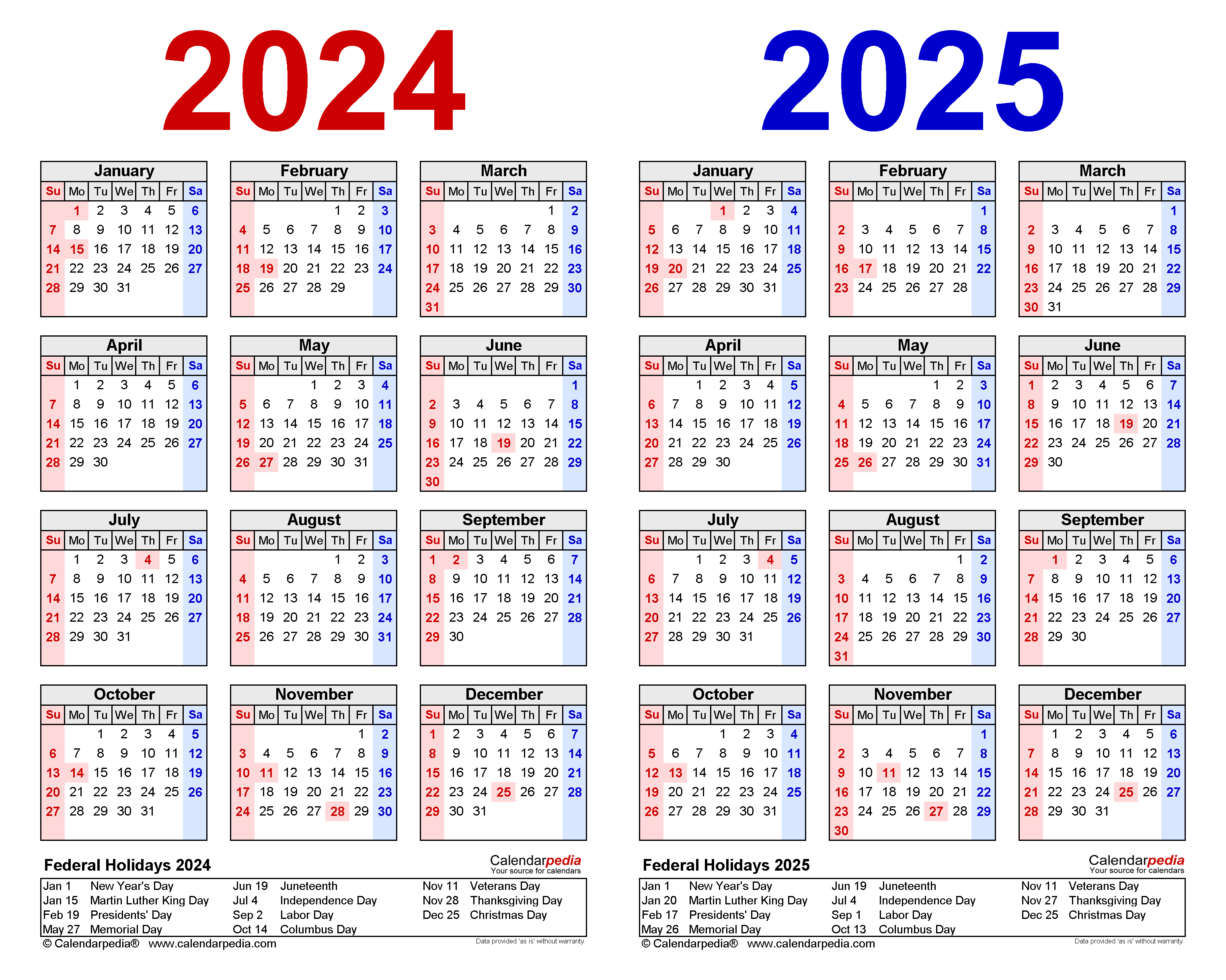
The NJ Motion Calendar system, while intended to streamline litigation, faces certain challenges. Addressing these challenges and exploring potential improvements are crucial for ensuring efficient and effective case management in New Jersey courts.
Challenges with the NJ Motion Calendar System
The NJ Motion Calendar system, while intended to streamline litigation, faces certain challenges. Addressing these challenges and exploring potential improvements are crucial for ensuring efficient and effective case management in New Jersey courts.
- Overburdened Calendar: The NJ Motion Calendar often experiences a high volume of motions, leading to scheduling conflicts and delays in hearings. This can result in parties waiting longer for their motions to be heard, potentially impacting case progression.
- Lack of Standardization: Variations in local court practices and procedures can lead to inconsistencies in motion filing and hearing processes across different jurisdictions. This can create confusion for attorneys and litigants, hindering efficient case management.
- Limited Access to Information: Access to information about motion deadlines, hearing schedules, and case status can be challenging for some parties. This can lead to missed deadlines and procedural errors, impacting the smooth flow of litigation.
- Technology Integration: The NJ Motion Calendar system could benefit from greater integration with existing technology platforms. This would allow for more efficient electronic filing, online scheduling, and case management, improving accessibility and reducing administrative burdens.
Potential Improvements to the NJ Motion Calendar System
Several potential improvements could enhance the NJ Motion Calendar system and address the challenges Artikeld above.
- Calendar Management: Implementing a more robust calendar management system, potentially incorporating technology solutions, could help alleviate the issue of an overburdened calendar. This could involve scheduling optimization, prioritizing urgent motions, and streamlining hearing procedures.
- Standardization of Procedures: Developing clear and standardized guidelines for motion filing, scheduling, and hearing procedures across all jurisdictions would reduce inconsistencies and promote greater efficiency. This could involve the creation of a comprehensive manual or online resource outlining best practices.
- Enhanced Access to Information: Providing litigants and attorneys with easier access to information about deadlines, hearing schedules, and case status through online portals or mobile applications could significantly improve transparency and reduce the risk of missed deadlines.
- Technology Integration: Integrating the NJ Motion Calendar system with existing technology platforms, such as electronic case management systems (ECMS), would streamline processes and enhance efficiency. This would enable electronic filing, online scheduling, and automated notifications, reducing administrative burdens.
Future Directions for Motion Calendar Systems in New Jersey
The NJ Motion Calendar system can benefit from a forward-thinking approach to address evolving needs and technological advancements.
- Predictive Analytics: Utilizing data analytics and machine learning to predict case flow and potential bottlenecks could enable proactive calendar management and resource allocation. This would allow for more efficient scheduling and improved case progression.
- Alternative Dispute Resolution (ADR): Integrating ADR options, such as mediation or arbitration, into the motion calendar system could help resolve disputes efficiently and reduce the need for formal hearings. This could involve offering ADR options at specific stages of litigation or incorporating them into the calendar itself.
- Virtual Hearings: Expanding the use of virtual hearings for motion calendars could enhance accessibility and reduce the need for physical court appearances. This would be particularly beneficial for parties located remotely or with scheduling constraints.
- Continuous Improvement: Implementing a system of continuous improvement and feedback mechanisms would allow for regular evaluation of the NJ Motion Calendar system and identification of areas for enhancement. This could involve collecting feedback from stakeholders, conducting periodic reviews, and adapting procedures based on real-world experiences.
Impact on Access to Justice
The NJ Motion Calendar’s impact on access to justice is a multifaceted issue, with potential benefits and drawbacks. This section explores how the calendar can influence the ability of individuals to access legal representation and participate in the justice system.
Impact on Access to Legal Representation
The NJ Motion Calendar can both promote and hinder access to legal representation, depending on the specific circumstances.
- Potential Benefits: The calendar’s structured approach can help streamline legal proceedings, potentially reducing the overall cost of litigation. This can make legal representation more accessible to individuals with limited financial resources.
- Potential Drawbacks: The calendar’s strict deadlines and procedures can create challenges for individuals who lack legal representation or have difficulty navigating complex legal processes. This can disproportionately affect low-income individuals and those without legal expertise, potentially leading to unfair outcomes.
Impact on Equity Concerns
The NJ Motion Calendar’s effectiveness in addressing equity concerns is a topic of ongoing debate.
- Potential Benefits: The calendar’s emphasis on procedural fairness and transparency can help ensure that all parties have an equal opportunity to present their case. This can help mitigate bias and ensure that justice is administered fairly.
- Potential Drawbacks: The calendar’s strict adherence to deadlines and procedures can create challenges for individuals from marginalized communities who may face systemic barriers to accessing legal resources and navigating the court system. This can exacerbate existing inequalities and perpetuate systemic disadvantages.
FAQ Summary
What is the purpose of the NJ Motion Calendar?
The NJ Motion Calendar serves as a centralized repository of deadlines and procedures for filing motions in New Jersey courts. It provides a clear framework for understanding the timing and requirements for various types of motions, ensuring that all parties involved are aware of their obligations and rights.
How often is the NJ Motion Calendar updated?
The NJ Motion Calendar is typically updated annually to reflect any changes in court rules, deadlines, or procedures. It is essential to consult the most recent version of the calendar to ensure that you have the most up-to-date information.
Are there any specific requirements for electronic filing of motions in New Jersey?
Yes, New Jersey courts have specific requirements for electronic filing of motions. These requirements include using approved software, adhering to formatting guidelines, and ensuring proper service of documents. Consult the NJ Courts website for detailed information on electronic filing procedures.
