
iPhone 14 Pro Max OLED screen replacement? You betcha! That gorgeous display is the heart of your phone, but cracks and scratches happen. Whether you’re a DIYer or prefer pro help, we’re breaking down everything you need to know about fixing that screen and getting your phone back to its dazzling best.
From choosing the right parts to understanding the repair process, we’ll cover it all. Think of it as your one-stop shop for getting your iPhone back in the game, looking fresh and ready to rock. Let’s dive in!
iPhone 14 Pro Max OLED Screen Replacement
The iPhone 14 Pro Max boasts a stunning OLED display, known for its vibrant colors, deep blacks, and high contrast. This screen technology is a key element of the phone’s premium experience, making it crucial to ensure its optimal performance. However, various factors can lead to screen damage, requiring a replacement.
Replacing the OLED screen on your iPhone 14 Pro Max can be a costly endeavor, but it’s essential to maintain the phone’s vibrant display. Once you’ve had the screen repaired, consider customizing your phone with a visually stunning wallpaper, such as a high-resolution one piece iphone wallpaper 4k. A new wallpaper can make your phone feel fresh and give it a personal touch, especially after a repair.
iPhone 14 Pro Max OLED Screen Replacement Process
An iPhone 14 Pro Max OLED screen replacement involves a meticulous procedure, typically performed by certified technicians. The process generally involves these steps:
- Diagnosis: The technician will inspect the damaged screen to assess the extent of the issue and determine if a replacement is necessary.
- Disassembly: The phone is carefully disassembled to access the screen. This involves removing screws, opening the back cover, and disconnecting various components.
- Screen Removal: The damaged screen is carefully removed from the phone. This step requires specialized tools and expertise to avoid further damage.
- New Screen Installation: The new OLED screen is installed, ensuring proper alignment and secure connections.
- Reassembly: The phone is reassembled, ensuring all components are securely connected and functioning correctly.
- Testing: The repaired phone is thoroughly tested to ensure the new screen is working properly and there are no other issues.
Choosing the Right Replacement Screen
Replacing the OLED screen on your iPhone 14 Pro Max is a significant repair, and choosing the right screen is crucial to ensure optimal performance and longevity. The quality of the replacement screen directly impacts the visual experience, touch responsiveness, and overall functionality of your device.
Genuine Apple Parts vs. Alternatives
Using genuine Apple parts for screen replacement is highly recommended for several reasons. Genuine parts are specifically designed and manufactured for Apple devices, ensuring compatibility and optimal performance. They undergo rigorous testing and quality control processes, minimizing the risk of defects or issues.
Types of Replacement Screens
The market offers a variety of replacement screens for the iPhone 14 Pro Max, ranging in quality and price.
- Genuine Apple Parts: These are the most expensive option but offer the highest quality and reliability. They are directly sourced from Apple or authorized suppliers and are guaranteed to meet Apple’s standards.
- OEM (Original Equipment Manufacturer) Parts: OEM parts are manufactured by companies that supply components to Apple but are not directly from Apple. They can offer good quality at a lower price than genuine parts, but it’s essential to research the manufacturer’s reputation.
- Aftermarket Parts: These are the most affordable option but often compromise quality and reliability. They are made by third-party manufacturers and may not be compatible with the iPhone’s internal components, potentially leading to issues with touch responsiveness, display quality, or even damage to the device.
Risks of Using Non-Genuine Parts
Using non-genuine parts can lead to several risks:
- Compatibility Issues: Non-genuine parts may not be compatible with the iPhone’s internal components, leading to malfunctions, touch responsiveness issues, or even damage to the device.
- Lower Quality: Non-genuine parts often use lower-quality materials and manufacturing processes, resulting in a less vibrant display, poor touch responsiveness, and shorter lifespan.
- Warranty Void: Using non-genuine parts can void your iPhone’s warranty, leaving you responsible for any future repairs or issues.
- Security Risks: Some non-genuine parts may contain malware or vulnerabilities that could compromise your device’s security and personal data.
DIY vs. Professional Repair
Replacing an iPhone 14 Pro Max’s OLED screen can be a daunting task, but it’s a decision that involves weighing the benefits of doing it yourself against the advantages of seeking professional help. This section will explore the advantages and disadvantages of both DIY and professional repair, providing valuable insights to help you make an informed decision.
DIY Repair Advantages and Disadvantages
Attempting a DIY screen replacement offers potential cost savings, a sense of accomplishment, and a deeper understanding of your device. However, it comes with inherent risks and challenges.
- Cost Savings: DIY repair can significantly reduce costs compared to professional repair services. Purchasing a compatible OLED screen from a reputable supplier can save you a considerable amount of money.
- Sense of Accomplishment: Successfully replacing the screen yourself can provide a sense of accomplishment and technical mastery. It can be a rewarding experience for those who enjoy hands-on repair work.
- Understanding Your Device: Attempting a DIY repair can provide a deeper understanding of your device’s internal components and workings. This knowledge can be valuable for future troubleshooting or repair needs.
- Risk of Damage: Attempting a DIY repair without proper tools, experience, or knowledge can result in further damage to your iPhone, potentially rendering it unusable.
- Voiding Warranty: Performing a DIY repair can void your iPhone’s warranty, leaving you responsible for any future repairs or issues.
- Difficulty of Repair: Replacing an iPhone’s OLED screen requires specialized tools, technical expertise, and meticulous attention to detail. If not performed correctly, it can lead to problems such as improper display function, touch sensitivity issues, or even damage to other components.
Finding a Reputable Repair Shop
Choosing a reputable repair shop is crucial for a successful and safe screen replacement. Here are some tips for finding a trustworthy professional:
- Read Online Reviews: Check online review platforms like Google Reviews, Yelp, or Trustpilot to see what other customers have to say about the repair shop’s service, quality, and professionalism.
- Ask for Recommendations: Seek recommendations from friends, family, or colleagues who have recently had their iPhones repaired. Personal referrals can be valuable sources of information.
- Verify Certifications and Credentials: Ensure the repair shop is certified by Apple or other reputable organizations. This indicates that the technicians have received proper training and are equipped to handle complex repairs.
- Inquire About Parts and Warranty: Ask about the type of screen used for replacements and if they offer a warranty on their repairs. Reputable shops will use high-quality parts and provide a reasonable warranty period.
- Visit the Shop: If possible, visit the repair shop in person to assess its cleanliness, organization, and professionalism. A well-maintained shop often reflects a commitment to quality and customer satisfaction.
Warranty Implications of DIY vs. Professional Repair
The warranty implications of choosing DIY or professional repair are significant and should be carefully considered.
Performing a DIY repair can void your iPhone’s warranty, leaving you responsible for any future repairs or issues.
- DIY Repair: Attempting a DIY repair will almost certainly void your iPhone’s warranty. Apple’s warranty terms explicitly state that unauthorized repairs can invalidate the warranty.
- Professional Repair: Choosing a professional repair shop that uses genuine Apple parts and follows Apple’s repair guidelines can preserve your iPhone’s warranty. However, it’s essential to ensure the repair shop is certified by Apple or uses genuine Apple parts to avoid warranty issues.
Essential Tools and Materials

A successful iPhone 14 Pro Max OLED screen replacement hinges on having the right tools and materials. These tools and materials are crucial for safely and effectively disassembling, replacing, and reassembling your device. This section will guide you through the essential tools and materials required, highlighting their importance and providing safety guidelines for handling delicate components.
Essential Tools
A collection of specialized tools is essential for a successful screen replacement.
- Phillips Screwdriver Set: This set is used to remove the screws that secure the iPhone’s back cover and other internal components. It’s crucial to use the correct size screwdriver to avoid stripping the screws.
- Pentalobe Screwdriver: This specialized screwdriver is required to remove the two pentalobe screws that secure the iPhone’s bottom Lightning connector. The pentalobe screws have a five-pointed star shape.
- Spudger: A spudger is a flat, plastic tool used to pry open the iPhone’s display and separate other components. It’s crucial to use the spudger carefully to avoid damaging the delicate components.
- Tweezers: Tweezers are essential for safely handling small components like screws and connectors during the disassembly and reassembly process.
- Vacuum Suction Cup: A suction cup is used to gently lift the iPhone’s display to create space for inserting the spudger. The suction cup should be applied evenly to avoid damaging the screen.
- Opening Pry Tool: This tool is used to create a small gap between the iPhone’s display and the frame, allowing you to insert the spudger. The opening pry tool should be used carefully to avoid scratching the frame.
Essential Materials
Along with the tools, you’ll need some essential materials for a successful screen replacement.
- New OLED Screen: The heart of the replacement process is the new OLED screen. Ensure it’s compatible with the iPhone 14 Pro Max and comes from a reputable source.
- Adhesive Strips: These adhesive strips are used to secure the new OLED screen to the iPhone’s frame. It’s crucial to use high-quality adhesive strips to ensure a secure and long-lasting repair.
- Anti-Static Wrist Strap: An anti-static wrist strap helps to protect the iPhone’s sensitive electronics from static discharge. It’s essential to wear the wrist strap and connect it to a grounded surface during the repair.
- Isopropyl Alcohol: Isopropyl alcohol is used to clean the iPhone’s frame and other components before reassembly. It’s important to use a high-purity alcohol and avoid using it on the screen itself.
- Microfiber Cloth: A microfiber cloth is used to wipe away dust and debris from the iPhone’s components. It’s important to use a clean and lint-free cloth to avoid introducing contaminants.
Safety Guidelines
- Static Discharge: Electronic components are susceptible to static discharge. Always wear an anti-static wrist strap connected to a grounded surface to prevent damage.
- Delicate Components: Handle all components with care. Use the appropriate tools and avoid applying excessive force.
- Cleaning: Use isopropyl alcohol only to clean the frame and other components. Avoid using it on the screen.
- Proper Tools: Use the correct tools for each task. Incorrect tools can damage the iPhone.
Step-by-Step Screen Replacement Guide
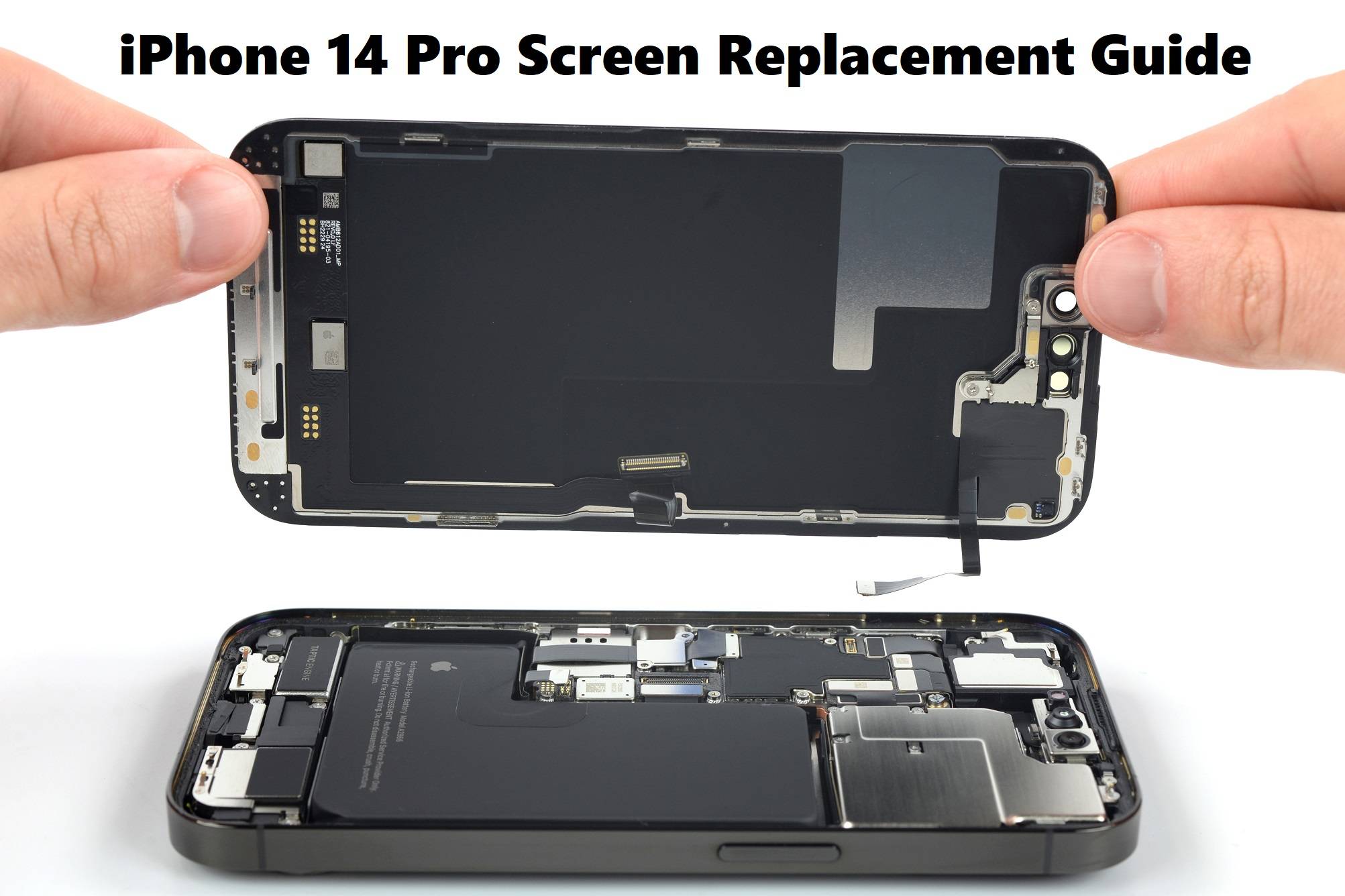
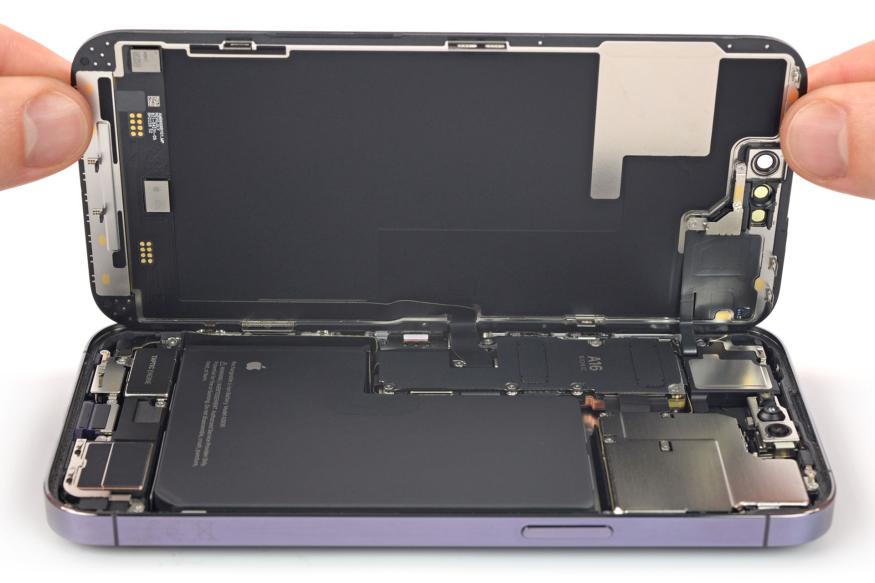
This section provides a detailed guide for replacing the iPhone 14 Pro Max OLED screen. It covers each step with clear descriptions and illustrations, aiming to help you navigate the process effectively.
Preparing for the Replacement
Before you begin, ensure you have the necessary tools and materials. This includes a Phillips head screwdriver, a pentalobe screwdriver, a suction cup, a spudger, and a heat gun or hairdryer. Also, gather the replacement screen and any additional adhesive you might need. It’s essential to work in a clean, well-lit environment to avoid dust or debris from contaminating the screen.
- Power off your iPhone 14 Pro Max. This is a crucial step to prevent any electrical damage.
- Remove the SIM card tray using the SIM card eject tool.
- Prepare your workspace. Use a non-slip surface to avoid accidental drops.
Removing the Back Glass
The back glass of the iPhone 14 Pro Max is securely attached. This step requires careful heating and leverage to avoid damaging the phone.
- Use a heat gun or hairdryer to evenly heat the back glass for 2-3 minutes. This will soften the adhesive holding the glass in place.
- Place a suction cup near the bottom of the back glass, ensuring it’s securely attached.
- Gently pull the suction cup upwards, creating a small gap between the glass and the phone frame.
- Insert a spudger into the gap and carefully slide it around the perimeter of the phone, separating the back glass from the frame.
- Once you’ve gone all the way around, carefully lift the back glass off the phone.
Disconnecting the Battery
Before proceeding further, it’s crucial to disconnect the battery to prevent accidental short circuits.
- Locate the battery connector on the logic board. It’s a small black connector with a metal tab.
- Use a spudger to gently pry up the battery connector, disconnecting it from the logic board.
Removing the Old Screen
Now you can remove the old screen.
- Identify the screws securing the old screen. These are typically located around the perimeter of the screen.
- Use a Phillips head screwdriver to remove the screws.
- Use a spudger to carefully pry up the edges of the old screen.
- Once the screen is loose, disconnect the screen connector from the logic board.
- Carefully lift the old screen off the phone.
Installing the New Screen
With the old screen removed, you can install the new screen.
- Align the new screen with the phone frame.
- Connect the screen connector to the logic board.
- Secure the new screen with the screws you removed earlier.
Reconnecting the Battery
After installing the new screen, reconnect the battery.
- Align the battery connector with the logic board.
- Gently press down on the connector to secure it.
Reattaching the Back Glass
Reattaching the back glass requires careful alignment and pressure.
- Clean the adhesive area on the back glass and the phone frame with isopropyl alcohol.
- Apply new adhesive to the back glass, ensuring it’s evenly distributed.
- Carefully align the back glass with the phone frame.
- Press down firmly on the back glass to secure it in place.
Testing and Final Steps
After completing the installation, it’s essential to test the new screen and ensure it functions correctly.
- Power on your iPhone 14 Pro Max.
- Check for any lines, dead pixels, or other display issues.
- Test the touch screen functionality.
- Once you’re satisfied with the installation, reinsert the SIM card tray.
Troubleshooting Tips
Here are some common issues that may arise during the screen replacement process and tips for troubleshooting them.
- Screen not working: Double-check that the screen connector is securely connected to the logic board.
- Touch screen unresponsive: Ensure the screen connector is properly seated and that there are no obstructions on the screen.
- Back glass not adhering properly: Ensure the adhesive is evenly distributed and that there are no air bubbles trapped between the glass and the phone frame.
Post-Replacement Care and Precautions
After successfully replacing your iPhone 14 Pro Max’s OLED screen, it’s crucial to follow proper care and precautions to ensure the longevity of your newly installed screen and prevent future damage. This section Artikels essential post-replacement steps and preventative measures.
Testing Screen Functionality
Thorough testing of the newly installed screen is vital to ensure proper functionality and identify any potential issues.
Replacing the OLED screen on an iPhone 14 Pro Max can be a costly endeavor, but it’s a necessary step to restore the phone’s functionality and visual clarity. The decision to invest in such a repair aligns with the principle of “Choose Life Choose Words,” found on the website Choose Life Choose Words , which emphasizes the importance of making choices that enhance our lives and communicate our values.
By choosing to repair the screen, we are investing in the longevity of our device and ensuring a positive user experience, ultimately aligning with the values of choosing life and speaking with intention.
- Touchscreen responsiveness: Test the touchscreen by navigating through menus, typing text, and interacting with apps. Make sure every touch registers accurately and there are no dead zones or areas of unresponsiveness.
- Display clarity and brightness: Check for any discoloration, pixelation, or uneven lighting across the screen. Adjust brightness levels and observe for any flickering or ghosting effects.
- Color accuracy: View images and videos to assess color accuracy and saturation. Look for any color distortion or washed-out colors.
- 3D Touch functionality: If your iPhone 14 Pro Max supports 3D Touch, test its sensitivity and responsiveness by pressing on icons and apps. Verify that it registers the correct pressure levels.
- Proximity sensor and ambient light sensor: Test the proximity sensor by making a phone call and observing if the screen dims when the phone is brought close to your ear. Verify the ambient light sensor adjusts the screen brightness automatically based on ambient light conditions.
Preventing Future Screen Damage, Iphone 14 pro max oled screen replacement
Following these tips can help prevent future screen damage and extend the life of your iPhone 14 Pro Max’s display:
- Use a screen protector: A tempered glass screen protector acts as a barrier between your screen and potential scratches and cracks. Choose a protector with high impact resistance and a smooth, responsive surface.
- Avoid dropping your phone: Dropping your phone is the most common cause of screen damage. Use a protective case that offers good drop protection and handle your phone with care. Consider investing in a shock-absorbing case that can cushion impacts.
- Clean your screen regularly: Dust and debris can scratch your screen over time. Use a microfiber cloth and a screen cleaning solution to clean your screen regularly.
- Store your phone safely: When not in use, store your phone in a protective case or pouch. This prevents scratches and dust accumulation.
- Avoid placing heavy objects on your phone: Placing heavy objects on your phone can put pressure on the screen and lead to cracks or damage. Keep your phone on a flat surface or use a phone stand.
- Be mindful of sharp objects: Keep sharp objects, such as keys or coins, away from your phone’s screen to avoid scratches.
Cost Considerations and Budget Planning
Replacing the iPhone 14 Pro Max OLED screen can be a significant expense, and it’s essential to understand the cost factors involved to make an informed decision and plan your budget accordingly.
Cost Comparison: Apple Authorized Service Centers, Independent Repair Shops, and DIY
The cost of replacing the iPhone 14 Pro Max OLED screen varies depending on where you choose to get it done.
- Apple Authorized Service Centers: These centers offer official Apple parts and repairs, ensuring authenticity and warranty. However, they typically have the highest prices. For example, Apple charges around $369 for an out-of-warranty screen replacement.
- Independent Repair Shops: These shops often use third-party parts, which can be more affordable. However, the quality and reliability of these parts can vary, and the repair might not be covered by Apple’s warranty. Prices at independent shops can range from $150 to $300.
- DIY: Replacing the screen yourself can be the most affordable option, with parts costing around $100 to $200. However, this requires technical skills, tools, and a willingness to risk damaging your phone. It’s not recommended for those without prior experience.
Factors Influencing Screen Replacement Costs
Several factors influence the cost of replacing the iPhone 14 Pro Max OLED screen, including:
- Type of Screen: The type of screen you choose can impact the cost. Original Apple screens are the most expensive, while third-party screens can be more affordable but may not offer the same quality.
- Labor Costs: Labor costs vary depending on the repair shop and the complexity of the repair. Independent shops often charge less than Apple Authorized Service Centers.
- Location: Repair costs can vary based on location. Prices in major cities might be higher than in smaller towns.
- Warranty: If your phone is still under warranty, Apple might cover the repair costs. However, accidental damage is usually not covered by the warranty.
Budget Planning Tips
When planning your budget for an iPhone 14 Pro Max screen replacement, consider the following tips:
- Compare Prices: Get quotes from multiple repair shops and compare prices before making a decision. You can also check online marketplaces for third-party screens and repair services.
- Consider Warranty: If your phone is still under warranty, check with Apple to see if they cover screen replacement. If not, you might consider purchasing an extended warranty.
- Set a Budget: Decide on a budget you are comfortable with and stick to it. Consider the cost of parts, labor, and potential additional expenses like shipping or data recovery.
- Save Money: If you’re on a tight budget, consider postponing the repair or finding a more affordable option like a refurbished phone.
FAQ Guide
How much does it cost to replace an iPhone 14 Pro Max OLED screen?
The cost varies depending on whether you go through Apple, an independent repair shop, or do it yourself. Apple’s prices are usually the highest, while DIY can be the most affordable but comes with risks.
What’s the difference between an original and a compatible screen?
Original screens are made by Apple and are guaranteed to work perfectly with your phone. Compatible screens are made by other manufacturers and may not have the same quality or features. They can also void your warranty.
Can I damage my phone by trying to replace the screen myself?
Yes, it’s possible. Replacing a screen requires precision and delicate handling. If you’re not comfortable with it, it’s best to leave it to a professional.
