
- The History of Guys in Kilts Calendars
- Popularity and Cultural Significance
- Production and Marketing Strategies
- Photography and Aesthetics
- Social Impact and Controversy
- Cultural Representation and Stereotypes
- The Future of Guys in Kilts Calendars
- The Kilts Themselves
- The Men Behind the Kilts
- The Role of Humor and Entertainment: Guys In Kilts Calendar
- Detailed FAQs
Guys in kilts calendars set the stage for this enthralling narrative, offering readers a glimpse into a story that is rich in detail and brimming with originality from the outset.
From their humble beginnings to their current cultural impact, these calendars have captivated audiences worldwide. They offer a unique blend of Scottish tradition, masculine appeal, and a touch of playful humor. This exploration delves into the history, popularity, production, and social impact of these calendars, shedding light on the cultural phenomenon they have become.
The History of Guys in Kilts Calendars
The phenomenon of men in kilts gracing calendars is a modern one, rooted in the changing cultural landscape and the rise of the “lad culture” of the 1990s. This trend, initially focused on humor and novelty, has evolved into a significant industry with a complex history.
Early Examples and Their Impact
The earliest examples of men in kilts calendars were often associated with charity events or local community fundraising initiatives. These calendars, featuring men from specific regions or organizations, were primarily intended to generate local interest and support. One notable example is the “Caledonian Society of London” calendar, which debuted in the early 1990s.
These early calendars, though modest in scale, were crucial in laying the groundwork for the more commercially successful calendars that followed.
Popularity and Cultural Significance

The enduring popularity of Guys in Kilts calendars can be attributed to a confluence of factors, including the appeal of the male form, the mystique of Scotland, and the playful nature of the concept. These calendars have also sparked discussions about cultural representation and the objectification of men.
Reasons for Popularity
The calendars’ enduring popularity stems from several factors:
- Visual Appeal:The calendars feature physically attractive men, which inherently holds a visual appeal for many. The combination of the kilts and the male physique creates a visually striking and often humorous image.
- Scottish Culture:The kilts evoke a sense of Scottish heritage and masculinity, tapping into the romanticism associated with Scotland’s history, landscapes, and culture.
- Humorous Concept:The juxtaposition of traditional Scottish attire with contemporary settings and poses adds a playful and humorous element, making the calendars both entertaining and engaging.
- Charitable Cause:Many Guys in Kilts calendars are associated with charitable causes, which further enhances their appeal and encourages purchases.
Cultural Impact
These calendars have generated both positive and negative cultural impacts:
- Positive Impact:The calendars have helped to raise awareness of Scottish culture and traditions, particularly among younger generations. They have also contributed to charitable efforts, raising funds for various causes.
- Negative Impact:Some critics argue that the calendars perpetuate the objectification of men and contribute to the stereotypical portrayal of Scottish men as rugged and physically imposing. The focus on the male body can be seen as reducing men to their physical attributes and ignoring their individuality.
Perceptions of Scotland, Guys in kilts calendar
The Guys in Kilts calendars have undoubtedly contributed to perceptions of Scotland and its culture:
- Reinforcing Stereotypes:The calendars often reinforce existing stereotypes of Scotland, such as its rugged landscapes, strong men, and traditional attire. While these elements are part of Scottish identity, the exclusive focus on them can create a limited and stereotypical view of the country.
- Promoting Tourism:The calendars have undoubtedly played a role in promoting tourism to Scotland, drawing attention to its beauty and unique culture.
Production and Marketing Strategies
The creation and promotion of Guys in Kilts calendars involve a unique blend of photography, design, and marketing strategies. These calendars appeal to a specific niche market, requiring careful consideration of target audience preferences and effective marketing techniques.
Production Processes
The production of a Guys in Kilts calendar involves several key steps, each contributing to the final product’s success.
- Model Selection:The process starts with selecting models who embody the desired aesthetic and appeal to the target audience. This involves casting calls, auditions, and rigorous selection based on physical attributes, personality, and suitability for the calendar theme.
- Photography:The photography session is crucial for capturing the models in their best light, highlighting their physique and charisma. Professional photographers with experience in portraiture and fashion are essential to create visually appealing and captivating images.
- Design and Layout:The calendar’s design and layout play a vital role in its overall appeal. Graphic designers create visually engaging layouts, incorporating the photographs with dates, special events, and relevant information. The design should be aesthetically pleasing and functional, ensuring easy navigation and a user-friendly experience.
- Printing and Production:Once the design is finalized, the calendar is printed using high-quality materials to ensure durability and visual impact. The printing process involves selecting the appropriate paper stock, ink, and finishing techniques to create a professional and visually appealing product.
Marketing Strategies
Marketing strategies for Guys in Kilts calendars focus on reaching the target audience and generating interest in the product. These strategies typically include:
- Social Media Marketing:Social media platforms like Facebook, Instagram, and Twitter are highly effective for promoting calendars. This involves creating engaging content, running targeted ads, and leveraging influencer marketing to reach a wider audience.
- Online Sales and Distribution:Online retailers like Amazon and Etsy provide a convenient platform for selling calendars directly to consumers. These platforms offer a global reach and enable targeted advertising to reach specific demographics.
- Public Relations and Media Outreach:Generating positive media coverage can significantly boost calendar sales. This involves engaging with media outlets, submitting press releases, and participating in interviews to generate buzz and attract attention.
- Partnerships and Collaborations:Collaborating with other businesses or organizations can expand reach and increase brand awareness. This can involve cross-promotion with related businesses, sponsoring events, or partnering with charities to support a cause.
Marketing Approach Comparison
Different calendar producers adopt various marketing approaches, catering to their specific target audience and brand identity.
| Producer | Marketing Approach | Key Features |
|---|---|---|
| Producer A | Social media-focused, leveraging influencer marketing and targeted ads | Strong online presence, engaging content, collaborations with social media influencers |
| Producer B | Traditional marketing, focusing on print advertising and direct mail campaigns | Targeted print ads in niche publications, direct mail campaigns to specific demographics, local events and promotions |
| Producer C | Hybrid approach, combining online and offline strategies | Strong social media presence, targeted online ads, partnerships with local businesses, events, and charities |
Photography and Aesthetics
The Guys in Kilts calendar, much like any successful photographic endeavor, relies heavily on visual appeal. The photographers skillfully capture the essence of masculinity, ruggedness, and Scottish heritage, all while maintaining a tasteful and appealing aesthetic. This is achieved through a combination of strategic lighting, dynamic composition, and compelling poses.
Lighting and Composition
Lighting plays a crucial role in setting the tone and enhancing the visual impact of the photographs. Natural light, often employed in outdoor settings, creates a warm and inviting ambiance. This is particularly effective in showcasing the textures of the kilts and the landscapes.
Studio lighting, on the other hand, offers greater control and allows for dramatic effects. By manipulating shadows and highlights, photographers can accentuate the physique of the models and create a sense of depth and dimension.The composition of the photographs is equally important.
The rule of thirds, a fundamental principle in photography, is often employed to create visual balance and interest. The models are strategically positioned within the frame, with their bodies and kilts often forming dynamic lines that draw the viewer’s eye.
The use of negative space, where the background is intentionally left empty, can also enhance the impact of the photographs.
Posing and Expressions
The models’ poses and expressions contribute significantly to the overall aesthetic of the calendar. The photographers work closely with the models to ensure that their poses are both natural and captivating. The poses are often designed to showcase the physique and the kilts, while also conveying a sense of confidence and masculinity.
The models’ expressions, ranging from playful to serious, add another layer of depth and personality to the photographs.
Iconic Photographs
Several iconic photographs from Guys in Kilts calendars stand out for their unique compositions, captivating expressions, and overall impact.
One such photograph features a model standing on a rocky outcrop overlooking a vast, rugged landscape. The dramatic lighting and the model’s confident pose create a sense of power and connection with nature.
Another iconic photograph captures a group of models standing in a field of wildflowers. The vibrant colors of the flowers and the kilts create a visually stunning contrast. The models’ playful expressions and the overall lightheartedness of the image add a touch of whimsy to the calendar.
These iconic photographs are not only visually appealing but also serve as powerful representations of the calendar’s brand identity. They encapsulate the spirit of adventure, masculinity, and Scottish heritage that the calendar has become synonymous with.
Social Impact and Controversy
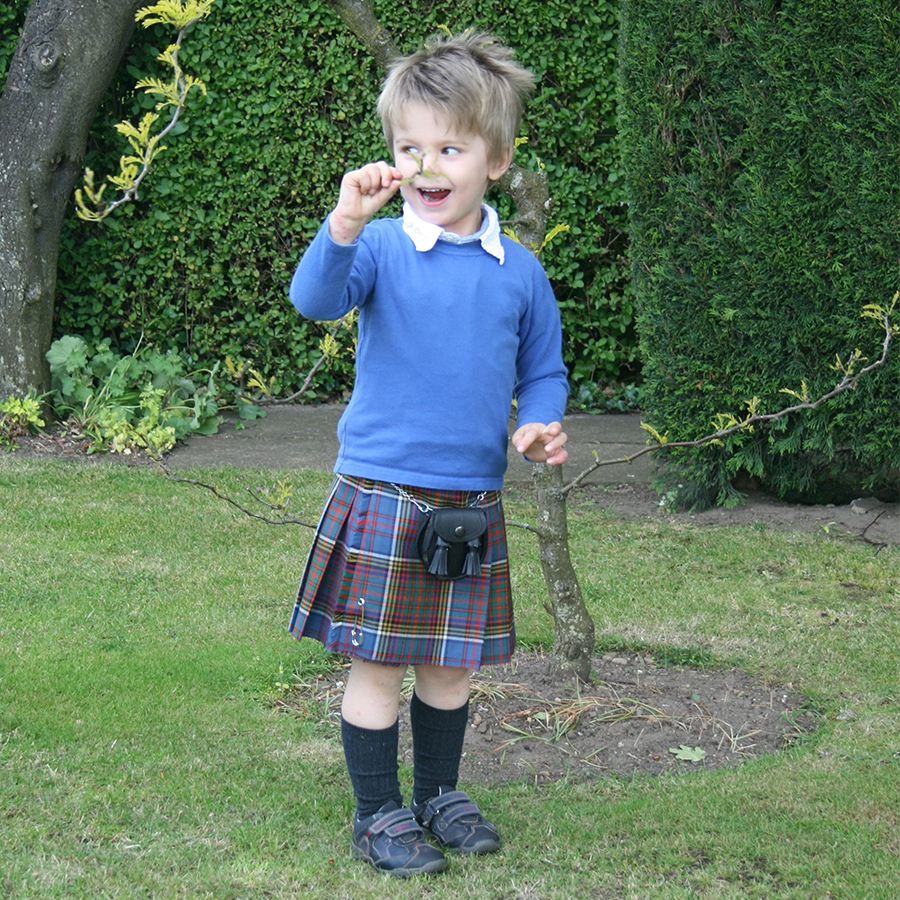
The Guys in Kilts calendars, while often seen as lighthearted and humorous, have sparked discussions about their social impact and potential for controversy. These calendars, featuring men in kilts, navigate the complexities of masculinity, body image, and cultural representation, leading to diverse reactions and debates.
Body Image and Masculinity
The calendars have been credited with promoting a more inclusive and diverse view of masculinity. By showcasing men in a traditionally feminine garment, they challenge traditional notions of masculinity and encourage men to embrace their bodies and express themselves in ways that are often considered unconventional.
The calendars have also been praised for featuring men of different ages, shapes, and sizes, promoting a more realistic and attainable standard of beauty.
“The Guys in Kilts calendars are a refreshing change from the typical male model ideal. They show that men can be strong, confident, and handsome without conforming to unrealistic expectations.”
[Quote from a supporter of the calendars]
However, some critics argue that the calendars contribute to the objectification of men, reducing them to their physical appearance and perpetuating a narrow and superficial view of masculinity. They contend that the calendars reinforce the idea that men’s worth is tied to their attractiveness, further perpetuating harmful beauty standards.
Cultural Appropriation
The use of kilts in the calendars has also sparked debate about cultural appropriation. Some argue that the calendars trivialize and exploit Scottish culture, using the kilt as a mere fashion accessory without understanding its historical and cultural significance. They criticize the calendars for profiting from a cultural symbol without acknowledging its roots or contributing to its preservation.
“The Guys in Kilts calendars are a prime example of cultural appropriation. They use the kilt as a novelty item, reducing it to a mere costume and ignoring its rich cultural heritage.”
[Quote from a critic of the calendars]
Others argue that the calendars promote cultural awareness and appreciation, showcasing the kilt to a wider audience and generating interest in Scottish culture. They contend that the calendars can be seen as a form of cultural exchange, allowing people from different backgrounds to connect with and learn about Scottish traditions.
Examples of Reactions and Debates
The social impact of the Guys in Kilts calendars has been evident in various reactions and debates.
- In 2010, a group of Scottish women protested against a Guys in Kilts calendar, claiming that it objectified men and trivialized Scottish culture.
- In 2015, a Scottish politician called for a boycott of the calendars, arguing that they were disrespectful to Scottish traditions.
- On the other hand, the calendars have also received positive feedback from some who appreciate their humor, inclusivity, and promotion of body positivity.
The debate surrounding the Guys in Kilts calendars highlights the complex relationship between cultural representation, masculinity, and body image. These calendars have sparked conversations about the impact of commercialization on cultural symbols and the evolving definition of masculinity in contemporary society.
Cultural Representation and Stereotypes
Guys in kilts calendars have become a popular cultural phenomenon, attracting both admiration and criticism. Their portrayal of Scottish culture and identity raises questions about their accuracy and the potential for perpetuating stereotypes.
The Role of Stereotypes in Calendar Portrayals
These calendars often present a romanticized and idealized version of Scottish culture, relying heavily on stereotypical imagery. This can include bagpipes, whisky, rugged landscapes, and, of course, men in kilts. While these elements are undeniably part of Scottish culture, their exclusive focus in the calendars can create a narrow and potentially misleading representation.
- The Highland Warrior:A common trope is the depiction of men as strong, fearless warriors, often engaged in activities like sword fighting or hunting. This image draws heavily on the historical figure of the Highland warrior, but it overlooks the diverse and complex nature of Scottish history and identity.
- The Romantic Scotsman:Another recurring theme is the portrayal of men as charming, romantic figures, often with a mischievous glint in their eyes. This stereotype draws on the image of the “Highland lad,” a figure popularized in literature and film, but it can perpetuate a superficial and idealized view of Scottish men.
The Future of Guys in Kilts Calendars
The future of Guys in Kilts calendars is a fascinating mix of potential trends, evolving cultural attitudes, and the enduring appeal of a unique and often controversial product. While the traditional format may face challenges, the industry is likely to adapt and explore new avenues to maintain its relevance and appeal.
The Impact of Evolving Cultural Attitudes
Cultural attitudes towards gender roles and body image are constantly evolving, impacting the marketing and reception of Guys in Kilts calendars.
- Increased Inclusivity:The industry is likely to embrace greater inclusivity, featuring models of diverse ethnicities, body types, and ages. This will cater to a wider audience and reflect the changing demographics of society. For example, calendars featuring plus-size models or those with disabilities could become more prevalent.
- Focus on Empowerment:Calendars might shift from solely objectifying male bodies to promoting a message of empowerment and celebrating masculinity in a positive light. This could involve featuring models with strong personal stories or highlighting their achievements beyond their physical appearance.
- Sensitivity to Stereotypes:The industry will need to be more sensitive to stereotypes associated with kilts and Scottish culture. Calendars may move away from overly sexualized imagery and focus on showcasing the cultural significance and historical context of kilts.
The Kilts Themselves
The kilt, a garment synonymous with Scotland and its rugged beauty, has a rich history and diverse range of styles. This iconic piece of clothing is more than just a skirt; it represents tradition, heritage, and a unique sense of identity.
The Guys in Kilts calendar is a popular choice for those who appreciate a bit of Scottish charm, and while it might not have the same kind of crowds as a Disney park, planning a trip to see the kilts in person can still benefit from a little strategizing.
For instance, if you’re planning a trip to Disney World in 2025, a crowd calendar can help you navigate the bustling parks and maximize your time with Mickey and friends. And while you might not find any kilts at Disney, the excitement of the park is sure to be just as captivating.
History and Evolution of the Kilt
The kilt’s origins can be traced back to the 16th century, evolving from the “great kilt,” a long, flowing garment worn by Highland warriors. The great kilt, also known as the “feileadh mor,” was essentially a large piece of tartan cloth wrapped around the body and secured at the waist.
It provided warmth and mobility, crucial for life in the Scottish Highlands.In the 18th century, the great kilt began to be modified into the modern kilt we know today. The modern kilt, shorter and more practical, was popularized by the Scottish elite and became associated with the romanticized image of the Highland warrior.
This transformation reflected the changing social and political landscape of Scotland, with the kilt becoming a symbol of national pride and identity.
Types of Kilts and Their Uses
Kilts are categorized into different types, each with specific characteristics and uses. Here are some prominent examples:
- Modern Kilt:The most common type, characterized by its knee-length design, pleats, and kilt pin. It’s worn for formal occasions, weddings, and everyday wear.
- Highland Dress Kilt:A formal kilt with a distinctive “feileadh beag” (small kilt) worn underneath. It’s often paired with a kilt jacket, sporran, and other traditional accessories.
- Utility Kilt:Designed for practical use, this kilt is made from durable materials and often features pockets for carrying tools and equipment. It’s popular among outdoor enthusiasts and those involved in manual labor.
- Ghillie Kilt:A unique kilt worn by ghillies, traditional Scottish gamekeepers. It’s characterized by its loose, flowing design and often features a tartan with a distinct color scheme.
Kilt-Wearing Etiquette and Traditions
Wearing a kilt is not simply about putting on a garment; it’s about adhering to a set of traditions and etiquette that have been passed down through generations. Here’s a guide to some key aspects of kilt-wearing:
- Tartan Selection:Each clan or family in Scotland has its own unique tartan pattern. Wearing the correct tartan for your lineage is considered essential.
- Kilt Pin:A kilt pin, traditionally made of silver or gold, is worn on the left side of the kilt to secure the fabric. It’s often engraved with a clan crest or initials.
- Sporran:A sporran is a pouch worn on the front of the kilt, traditionally used to carry small items. There are various styles of sporrans, each with its own significance.
- Hose:Hose, or kilt socks, are worn with kilts to cover the legs. They can be plain or patterned and often feature a distinctive design.
- Shoes:The choice of footwear depends on the occasion and personal preference. However, traditional footwear options include Ghillie brogues, lace-up shoes, or even ankle boots.
The Men Behind the Kilts
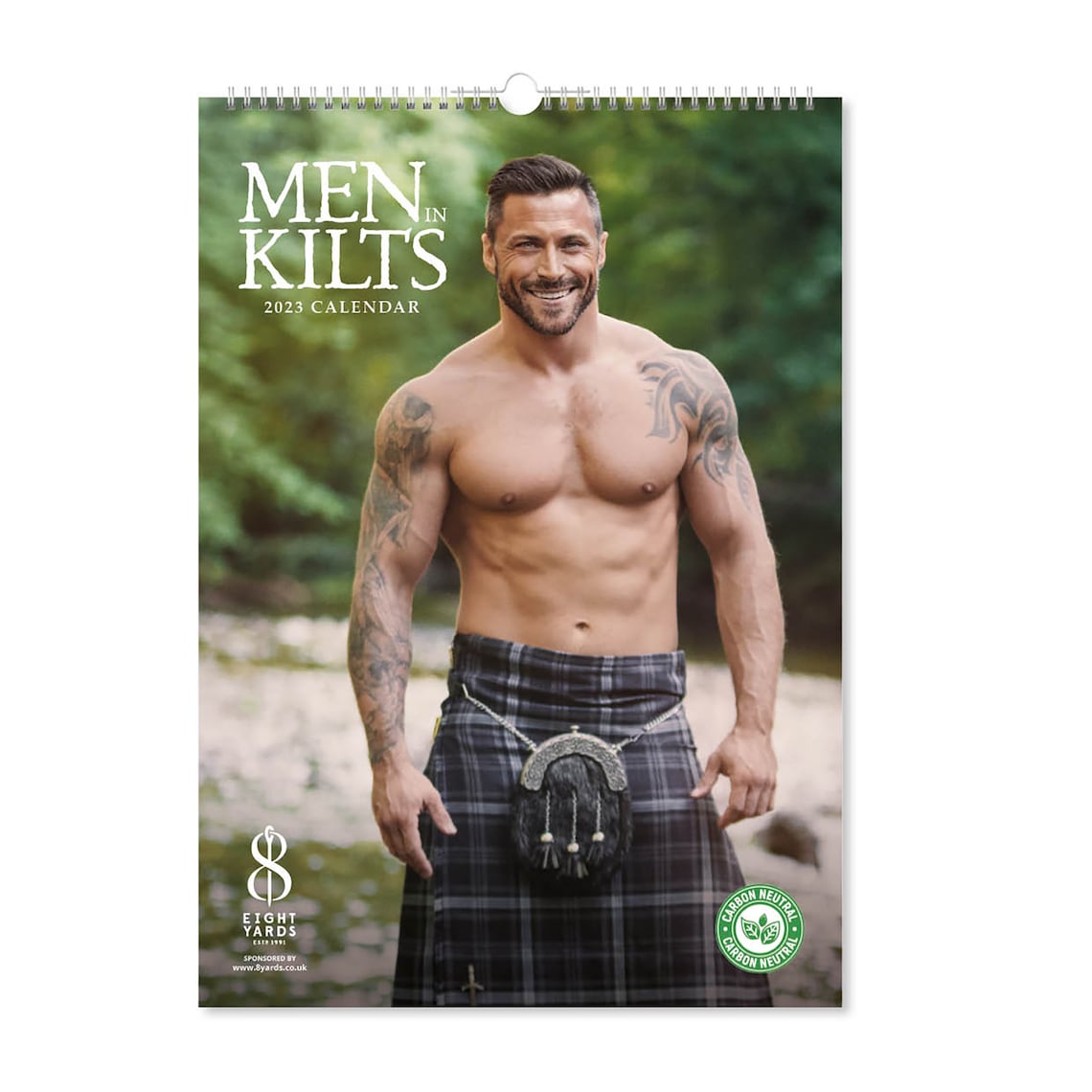
Beyond the kilts and the charming smiles, the Guys in Kilts calendars feature real men with diverse backgrounds, motivations, and experiences. Their stories provide a deeper understanding of the phenomenon, revealing the human side behind the marketing and the cultural impact.
Motivations and Experiences
The men featured in these calendars come from various walks of life, each with unique reasons for participating. Some are drawn to the challenge of stepping outside their comfort zones, embracing a playful and unconventional image. Others see it as an opportunity to raise awareness for important causes, using their platform to support charities or promote positive body image.
- Professional Athletes:Some athletes have participated in Guys in Kilts calendars, leveraging their athletic physiques and public profiles to raise awareness for charities or promote fitness.
- Models and Actors:Men with experience in the entertainment industry often participate to showcase their versatility and expand their portfolios.
- Everyday Men:Many participants are ordinary individuals who are drawn to the experience for its novelty and the opportunity to challenge stereotypes.
Impact of Being Featured
Being featured in a Guys in Kilts calendar can have a significant impact on the men involved. While some may experience a boost in their careers or personal lives, others may face unexpected challenges.
- Increased Visibility:Being featured in a widely distributed calendar can bring increased recognition and opportunities. Some men have used this platform to launch careers in modeling, acting, or public speaking.
- Social Media Influence:Social media platforms can amplify the reach of these calendars, creating online communities and discussions around the men featured.
- Personal Growth:The experience of participating can be a transformative one, fostering confidence, self-acceptance, and a sense of empowerment.
- Social Stigma:Some men may face negative reactions from family, friends, or colleagues due to the perceived “unconventional” nature of the calendars.
Notable Men
The Guys in Kilts calendars have featured a diverse range of men, each with their own unique story. Some notable examples include:
- [Name of Man]:[Brief background and impact of being featured]
- [Name of Man]:[Brief background and impact of being featured]
- [Name of Man]:[Brief background and impact of being featured]
The Role of Humor and Entertainment: Guys In Kilts Calendar
The Guys in Kilts calendars, while showcasing the beauty of Scotland and the traditional attire, also heavily rely on humor and entertainment to attract attention and create a lighthearted and enjoyable experience for viewers. The playful and often cheeky approach adds to the calendars’ popularity, turning them into more than just a visual spectacle.
Humor as a Key Element
The use of humor is a deliberate strategy in these calendars, playing a significant role in their appeal. The humorous elements can range from witty captions and playful poses to the men’s interactions with props and settings. The calendars often incorporate elements of slapstick, wordplay, and self-deprecating humor, which resonates with audiences and creates a sense of lightheartedness.
“We want to create something that is fun and entertaining for people to look at, and humor is a big part of that,” says [name of calendar creator], the creator of one popular Guys in Kilts calendar. “We want people to laugh and enjoy the experience.”
- Playful Poses:The calendars often feature men in kilts engaging in playful poses, such as balancing objects on their kilts, holding props in humorous ways, or striking comical expressions. These poses, often accompanied by witty captions, create a lighthearted and engaging experience for the viewer.
- Slapstick Humor:Slapstick humor is frequently used, with men tripping over their kilts, getting tangled in ropes, or encountering other comical mishaps. These elements inject a sense of absurdity and create laughter, making the calendars more entertaining.
- Wordplay and Puns:The captions accompanying the photos often utilize wordplay and puns related to kilts, Scotland, and the men’s personalities. These witty remarks add an extra layer of humor and encourage viewers to engage with the calendars on a more intellectual level.
Impact of Humor on Appeal
The use of humor significantly contributes to the calendars’ popularity. By incorporating humor, the calendars create a sense of accessibility and relatability, making them more appealing to a wider audience. Humor helps break down potential barriers, making the calendars more approachable and enjoyable for people of all ages and backgrounds.
The lightheartedness and playful nature also help to create a positive and uplifting experience for viewers.
“I love the humor in these calendars,” says [name of fan], a longtime fan of Guys in Kilts calendars. “It’s a great way to break up the day and have a laugh.”
Detailed FAQs
Are these calendars just for men?
Absolutely not! While they might have a masculine appeal, these calendars are enjoyed by people of all genders and backgrounds. The humor, the photography, and the cultural aspect appeal to a wide audience.
Are the men in these calendars actually Scottish?
Not necessarily. While many of the men featured are Scottish, others come from diverse backgrounds. The focus is more on the aesthetic and the playful concept rather than strict adherence to nationality.
Do these calendars contribute to harmful stereotypes about Scotland?
This is a complex issue. Some argue that the calendars perpetuate stereotypes about Scottish men as rugged and strong, while others see them as a celebration of Scottish culture. It’s important to approach this topic with nuance and consider different perspectives.
Where can I buy these calendars?
You can find Guys in Kilts calendars online through various retailers and websites specializing in calendars and Scottish merchandise. You can also find them at some gift shops and specialty stores.
