
Columbia University Events Calendar is your one-stop shop for discovering the vibrant pulse of campus life. From thought-provoking lectures to captivating performances, the calendar offers a diverse range of events catering to every interest. Whether you’re a student eager to explore new academic frontiers, a faculty member seeking engaging opportunities, or a community member looking to connect with the university, this comprehensive resource provides a window into the dynamic world of Columbia.
The calendar serves as a valuable tool for navigating the university’s rich tapestry of events. It provides a clear and concise overview of upcoming activities, allowing you to easily identify events that align with your passions and interests. Whether you’re seeking intellectual stimulation, cultural enrichment, or simply a chance to connect with others, the calendar helps you discover the hidden gems and exciting opportunities that Columbia has to offer.
Introduction
Columbia University, established in 1754, is a renowned Ivy League research university located in New York City. Its rich history and academic excellence have positioned it as a global leader in education and research. The university’s events calendar serves as a vital resource for its diverse community, connecting students, faculty, and the broader public with the vibrant intellectual and cultural life that unfolds on campus.
The Importance of the Events Calendar
The events calendar plays a crucial role in fostering a dynamic and engaged community at Columbia. It provides a platform for disseminating information about a wide range of events, including:
- Academic lectures and conferences
- Artistic performances and exhibitions
- Student organization meetings and activities
- Community outreach initiatives
- University-wide celebrations and events
By showcasing these events, the calendar facilitates:
- Increased student engagement:Students can discover opportunities to learn from renowned scholars, engage in research, explore their interests, and participate in extracurricular activities.
- Enhanced faculty collaboration:The calendar promotes collaboration among faculty members by providing a platform to share their research, present their findings, and connect with colleagues from different disciplines.
- Strengthened community connections:The calendar extends beyond the university walls, connecting the Columbia community with the wider public through events open to the community, fostering intellectual exchange and cultural enrichment.
Types of Events
The Columbia University events calendar encompasses a diverse range of activities, reflecting the university’s commitment to academic excellence, cultural enrichment, and community engagement. This calendar serves as a central hub for students, faculty, staff, and the wider community to discover and participate in a multitude of events.
Categorization of Events
The events listed on the calendar can be categorized based on their primary focus and format. These categories provide a framework for understanding the diverse nature of events and identifying those that align with individual interests.
| Event Type | Frequency | Target Audience | Typical Format |
|---|---|---|---|
| Academic Lectures | Regularly scheduled, often weekly or bi-weekly | Students, faculty, researchers, and the general public | Formal presentations by renowned scholars, experts, and researchers, followed by Q&A sessions |
| Conferences | Occasional, typically held annually or biannually | Researchers, scholars, professionals, and students in specific fields | Multi-day events featuring keynote speeches, panel discussions, workshops, and poster presentations |
| Performances | Regularly scheduled, often with dedicated seasons or series | Students, faculty, staff, and the general public | Concerts, plays, dance performances, and other artistic expressions, showcasing the talents of students, faculty, and guest artists |
| Exhibitions | Occasional, often showcasing new research, art, or historical artifacts | Students, faculty, staff, and the general public | Displays of artwork, historical artifacts, research findings, and other objects of interest, often accompanied by guided tours and educational materials |
| Social Gatherings | Regularly scheduled, often for specific groups or communities | Students, faculty, staff, and alumni | Informal events such as receptions, dinners, networking events, and social gatherings, fostering community and connection |
Event Registration and Ticketing
Columbia University offers a variety of registration methods for its events, catering to diverse needs and preferences. Understanding the registration process is essential for attending events and ensuring a smooth experience.
Online Registration
Online registration is a convenient and efficient method for registering for events. The university’s online event calendar typically provides a dedicated registration link for each event. This link usually directs users to a secure online platform where they can create an account or log in using existing credentials.
The registration process typically involves providing personal information, selecting the desired event, and making payment, if applicable.
In-Person Registration
For certain events, in-person registration may be available. This method involves registering at a designated location, often at the event venue itself, or at a specified registration desk. In-person registration allows for immediate confirmation and may be preferred for events with limited capacity.
Ticketing Systems
Columbia University utilizes various ticketing systems for events, depending on the nature and scale of the event. Some events may use a dedicated ticketing platform, such as Eventbrite or Ticketmaster, while others may utilize the university’s own ticketing system. Ticketing systems allow for the purchase of tickets in advance, often with different seating options or pricing tiers.
Registration Process and Fees
The registration process for events at Columbia University typically involves the following steps:
- Event Selection:Browse the university’s event calendar and select the desired event.
- Registration Form:Complete the online registration form, providing personal information, contact details, and any other required information.
- Payment:Make payment, if applicable, using the designated payment methods.
- Confirmation:Receive a confirmation email with details about the event and registration.
Registration fees vary depending on the event and may include a processing fee or other charges. Some events may be free of charge, while others may require a fee to cover costs associated with the event.
Restrictions
Certain events may have restrictions on attendance, such as age limits or specific requirements for registration. These restrictions are typically Artikeld on the event details page or in the registration form.
Important Notes
- Registration Deadlines:Pay attention to registration deadlines, as they vary depending on the event.
- Refund Policies:Familiarize yourself with the refund policy for the event, as it may vary depending on the event organizer.
- Accessibility:If you require accessibility accommodations, contact the event organizer in advance to request assistance.
Accessibility and Inclusivity
Columbia University is committed to providing accessible and inclusive events for all members of the community. The university’s events calendar reflects this commitment by offering a range of features and initiatives designed to ensure that everyone can participate fully and equitably.
Accessibility Features
The university’s events calendar incorporates various accessibility features to cater to diverse needs.
- Language Options:The calendar provides event descriptions and materials in multiple languages, including English, Spanish, and Mandarin. This allows individuals who speak different languages to access information about events and participate fully.
- Disability Accommodations:The university offers a variety of disability accommodations for events, including:
- Assistive Listening Devices:These devices amplify sound and enhance audio clarity for individuals with hearing impairments.
- Sign Language Interpreters:The university provides sign language interpreters for events where communication accessibility is crucial.
- Closed Captioning:Closed captioning is available for live events and online content, enabling individuals with hearing impairments to follow the presentations and discussions.
- Accessible Seating:Events are held in venues with designated accessible seating areas to accommodate individuals with mobility impairments.
- Information for Individuals with Special Needs:The events calendar provides clear and concise information about accessibility features, including details on wheelchair accessibility, parking accommodations, and contact information for accessibility services.
Promoting Inclusivity
Columbia University actively promotes inclusivity in its events and programming through various initiatives:
- Diverse Programming:The university hosts a wide range of events that celebrate diversity, inclusivity, and cultural understanding. These events feature speakers, performers, and artists from diverse backgrounds, promoting cross-cultural dialogue and appreciation.
- Inclusive Event Spaces:The university strives to create inclusive event spaces that are welcoming and accessible to everyone. This includes ensuring that events are held in venues that are physically accessible and culturally sensitive.
- Community Engagement:The university actively engages with local communities and organizations to ensure that its events are relevant and inclusive to all members of the community. This includes partnering with disability organizations, LGBTQ+ groups, and other minority communities to co-host events and initiatives.
Community Engagement
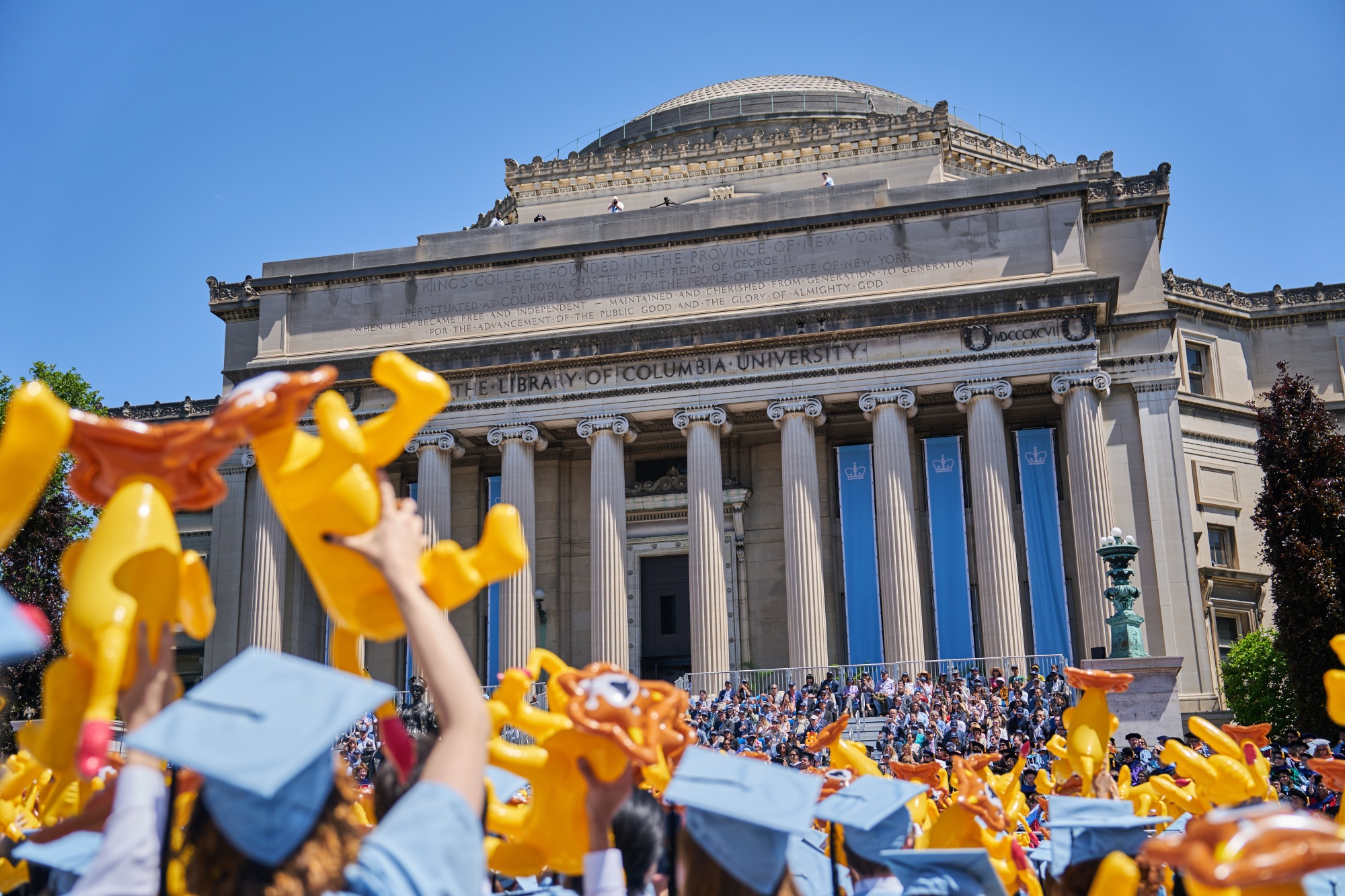
The Columbia University events calendar serves as a vital platform for fostering community engagement and interaction among students, faculty, staff, and the surrounding community. It provides a comprehensive overview of events happening on campus and beyond, offering opportunities for collaboration, networking, and social interaction.
Planning your semester at Columbia University? You’ll want to check out their events calendar to see what’s happening on campus. But if you’re looking for a break from studying, consider a trip to Six Flags Magic Mountain! You can plan your visit strategically by checking out the six flags magic mountain crowd calendar to avoid the biggest crowds.
Once you’ve had your fill of thrills, you can head back to campus refreshed and ready to tackle your studies.
Events Promoting Collaboration and Networking
The events calendar promotes collaboration and networking by showcasing events that bring together diverse groups within the university community.
- Faculty-Student Research Symposia:These symposia provide a platform for students to present their research findings to faculty and peers, fostering collaboration and mentorship.
- Interdisciplinary Workshops and Seminars:Events that bring together faculty and students from different departments encourage cross-disciplinary collaboration and the exchange of ideas.
- Career Fairs and Networking Events:These events connect students with potential employers and alumni, facilitating career exploration and professional networking.
Events Fostering Social Interaction
The events calendar also plays a crucial role in fostering social interaction among members of the university community.
- Cultural Performances and Art Exhibitions:Events showcasing diverse cultural traditions and artistic expressions provide opportunities for students, faculty, and staff to connect and celebrate shared experiences.
- Sporting Events and Intramural Leagues:These events promote healthy competition and camaraderie, fostering a sense of community spirit.
- Social Gatherings and Community Events:The calendar features events such as campus-wide festivals, movie screenings, and open mic nights, creating opportunities for informal social interaction and building relationships.
Event Promotion and Outreach
Columbia University utilizes a multi-faceted approach to promote and publicize upcoming events, ensuring wide reach and engagement across diverse audiences. These strategies aim to generate excitement and encourage participation in university events, from academic conferences and lectures to cultural performances and social gatherings.
Email Newsletters
Email newsletters serve as a primary channel for disseminating event information to the Columbia University community. These newsletters are regularly sent to students, faculty, staff, alumni, and other stakeholders, providing updates on upcoming events, registration details, and relevant information.
Social Media Platforms
Social media platforms like Facebook, Twitter, Instagram, and LinkedIn play a crucial role in promoting events to a wider audience. Utilizing engaging content, including text, images, and videos, these platforms effectively reach students, faculty, staff, alumni, and the general public.
- Facebook: Events are often shared on Facebook pages dedicated to specific departments, schools, or organizations, allowing for targeted outreach to relevant audiences.
- Twitter: Twitter is used for real-time updates, announcements, and event-related discussions, leveraging its quick dissemination capabilities.
- Instagram: Instagram’s visual focus makes it ideal for showcasing event highlights, behind-the-scenes glimpses, and aesthetically appealing visuals, attracting a younger demographic.
- LinkedIn: LinkedIn is utilized for professional events, conferences, and workshops, reaching professionals and alumni within specific fields.
Campus Signage
Physical signage strategically placed across campus, including bulletin boards, posters, and digital displays, acts as a visual reminder of upcoming events. These signs are designed to be eye-catching and informative, providing event details, dates, and locations.
Print Publications
Columbia University’s print publications, such as the Columbia Daily Spectator, the Columbia News, and departmental newsletters, are used to promote events to the university community. These publications provide a platform for showcasing upcoming events and highlighting their significance.
Impact and Significance: Columbia University Events Calendar

The Columbia University events calendar serves as a vital hub for academic, social, and cultural activities, significantly impacting the university’s overall experience. By providing a comprehensive platform for showcasing diverse events, the calendar plays a crucial role in fostering a vibrant and engaging community, promoting intellectual curiosity, and contributing to the university’s mission and values.
Impact on Academic Life
The events calendar serves as a central platform for disseminating information about academic events, fostering intellectual exchange, and promoting research and scholarship.
- Conferences and Symposia:The calendar highlights conferences and symposia, providing opportunities for faculty, students, and researchers to present their work, engage in scholarly discussions, and collaborate with peers from various disciplines. These events contribute to the advancement of knowledge and the dissemination of research findings.
- Guest Lectures and Workshops:The calendar promotes guest lectures and workshops, bringing renowned scholars, experts, and practitioners to campus. These events offer valuable opportunities for students to learn from leading figures in their fields, expand their knowledge base, and gain insights into cutting-edge research and industry trends.
- Academic Events:The calendar encompasses a wide range of academic events, including seminars, colloquia, and panel discussions. These events provide a platform for students to explore diverse perspectives, engage in critical thinking, and deepen their understanding of complex issues. They foster a vibrant intellectual environment, encouraging students to participate actively in scholarly discussions and engage with diverse academic communities.
Impact on Social Life
The events calendar plays a significant role in fostering a vibrant and inclusive social environment at Columbia University.
- Student Organizations:The calendar showcases events organized by student organizations, promoting student engagement and leadership development. These events provide opportunities for students to connect with peers who share similar interests, build community, and develop essential skills, such as event planning, communication, and teamwork.
- Social Gatherings:The calendar promotes social gatherings, such as movie screenings, concerts, and cultural celebrations, providing opportunities for students to relax, unwind, and connect with fellow students outside the academic setting. These events foster a sense of belonging and create opportunities for students to engage in meaningful social interactions.
- Community Building:The calendar promotes events that foster a sense of community and inclusivity, such as cultural festivals, diversity celebrations, and interfaith dialogues. These events bring together students, faculty, and staff from diverse backgrounds, promoting understanding, respect, and a shared sense of belonging.
Impact on Cultural Life, Columbia university events calendar
The events calendar enriches the cultural life of Columbia University by showcasing a wide range of artistic, theatrical, and musical performances.
- Performing Arts:The calendar highlights performances by renowned artists, musicians, and actors, providing students with access to world-class cultural experiences. These events expose students to diverse artistic expressions, foster appreciation for the arts, and enrich their cultural understanding.
- Museums and Galleries:The calendar promotes events at the university’s museums and galleries, offering students opportunities to engage with art, history, and culture. These events provide a platform for students to explore different perspectives, deepen their understanding of diverse cultures, and engage in critical analysis of artistic expression.
- Cultural Events:The calendar showcases a variety of cultural events, including lectures, film screenings, and workshops, promoting cross-cultural understanding and appreciation. These events provide opportunities for students to learn about different cultures, engage in dialogue, and celebrate the diversity of human experience.
Future Trends and Developments
The Columbia University events calendar, like any other dynamic platform, is constantly evolving in response to technological advancements, changing audience expectations, and the university’s own strategic goals.
The Rise of Technology and Virtual Events
The use of technology is rapidly transforming the landscape of event planning and management. Virtual events have become increasingly popular, offering greater accessibility, cost-effectiveness, and a wider reach. This trend is likely to continue, with platforms like Zoom, WebEx, and other virtual event platforms becoming more sophisticated and integrated with event management software.
Hybrid Events: Combining the Best of Both Worlds
Hybrid events, which combine in-person and virtual elements, are becoming increasingly popular. This format allows for greater flexibility and inclusivity, catering to diverse audiences with varying preferences and geographic locations. The Columbia University events calendar can leverage this trend by offering hybrid event options, allowing for a broader participation and engagement.
Data Analytics and Event Optimization
Data analytics is playing a crucial role in event planning and management, providing insights into audience behavior, event performance, and areas for improvement. By leveraging data analytics, the Columbia University events calendar can optimize event planning, target specific audiences more effectively, and enhance the overall event experience.
Personalization and Customization
Event attendees increasingly expect personalized experiences. This trend is driven by the rise of social media and the ability to tailor content and communication to individual preferences. The Columbia University events calendar can incorporate personalization features, allowing users to customize their event experience and receive relevant notifications and recommendations.
Sustainability and Ethical Considerations
Sustainability is becoming increasingly important in all aspects of event planning. The Columbia University events calendar can promote sustainable practices, such as using eco-friendly materials, reducing waste, and supporting local vendors. Ethical considerations, such as diversity and inclusion, are also becoming increasingly important in event planning.
The Columbia University events calendar can ensure that all events are inclusive and accessible to all members of the university community.
Emerging Technologies and Future Developments
The use of augmented reality (AR) and virtual reality (VR) is expected to grow in the event planning industry. These technologies can enhance the event experience, providing immersive and interactive experiences for attendees. The Columbia University events calendar can explore the use of AR and VR to create unique and engaging events.
User Queries
How often is the events calendar updated?
The calendar is updated regularly, often on a daily basis, to ensure that it reflects the latest events and information.
Can I subscribe to receive event notifications?
Yes, many university events calendars offer subscription options. You can usually sign up to receive email alerts or RSS feeds to stay informed about upcoming events that interest you.
Is there a mobile app for the events calendar?
Some universities have mobile apps that integrate with their events calendar. Check the university’s website or app store for availability.
