
Apple offered its iphone 11 for 699 under the presumption – Apple offered its iPhone 11 for $699 under the presumption that a lower price point would attract a wider audience, boost sales, and maintain its dominant position in the smartphone market. This strategy, however, was not without its risks and implications. The iPhone 11’s price point was a significant departure from previous models, raising questions about Apple’s long-term strategy and the potential impact on its brand image.
This article will delve into the intricacies of Apple’s pricing strategy for the iPhone 11, exploring the assumptions behind it, the potential risks and benefits, and the impact on consumer perception and Apple’s business. We will also examine market trends and their potential implications for Apple’s future pricing strategies.
iPhone 11 Pricing Strategy: Apple Offered Its Iphone 11 For 699 Under The Presumption
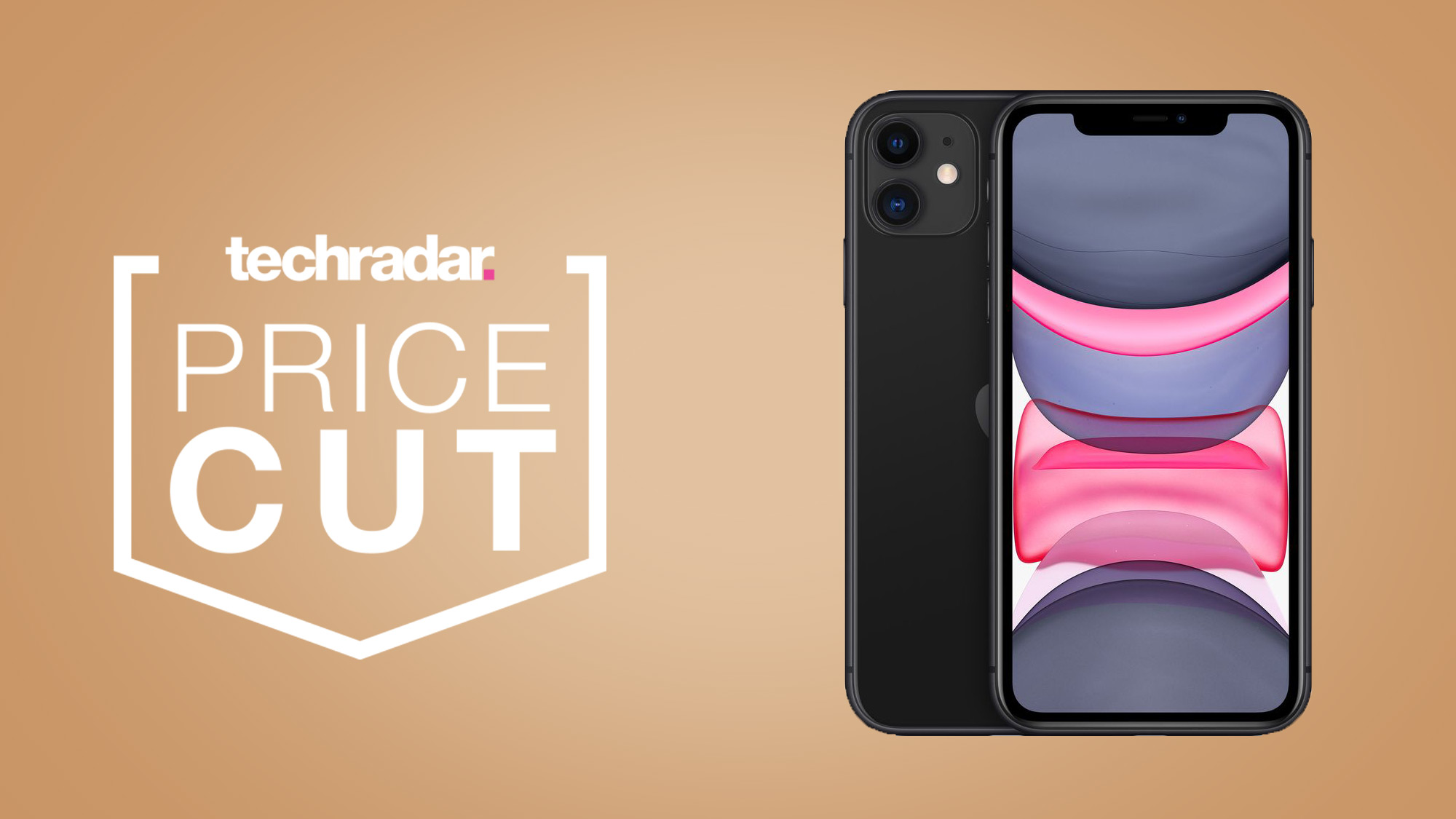
The iPhone 11’s $699 price point was a strategic move by Apple, aimed at attracting a wider audience and boosting sales. It represented a significant shift in Apple’s pricing strategy, offering a flagship iPhone at a more accessible price compared to previous models.
The Significance of the $699 Price Point
The iPhone 11’s price was strategically positioned to capture a larger market share. At the time of its release in 2019, the smartphone market was increasingly competitive, with rivals like Samsung and Google offering powerful devices at lower price points. By offering the iPhone 11 at $699, Apple aimed to attract budget-conscious consumers who might have previously considered Android alternatives.
Impact on Apple’s Sales and Market Share
The iPhone 11’s pricing strategy proved successful for Apple. The device became one of the best-selling iPhones in history, contributing significantly to Apple’s overall sales and market share. The lower price point attracted a broader range of buyers, including those who might have been hesitant to spend more on a flagship iPhone.
Comparison to Previous iPhones and Competitors
The iPhone 11’s $699 price tag was lower than the starting price of its predecessor, the iPhone XR, which launched at $749. This move made the iPhone 11 a more attractive option for consumers looking for a flagship iPhone without breaking the bank. Compared to its competitors, the iPhone 11 offered a premium experience at a competitive price point. For example, Samsung’s Galaxy S10, a direct competitor to the iPhone 11, launched at $899.
This price difference made the iPhone 11 a compelling option for those seeking value for money.
Apple’s Pricing Strategy
Apple likely determined the iPhone 11’s pricing strategy by considering several factors:* Market Research: Apple conducted extensive market research to understand consumer preferences and price sensitivities. They likely analyzed data on competitors’ pricing strategies and consumer feedback to determine the optimal price point for the iPhone 11.
Cost of Production
Apple factored in the cost of manufacturing and developing the iPhone 11. They likely aimed to strike a balance between profitability and affordability, ensuring a reasonable profit margin while making the device accessible to a wider audience.
Competitive Landscape
Apple considered the pricing strategies of its competitors, particularly Samsung and Google. They likely aimed to offer a competitive price point while maintaining their premium brand image.
Presumption of Apple’s Strategy
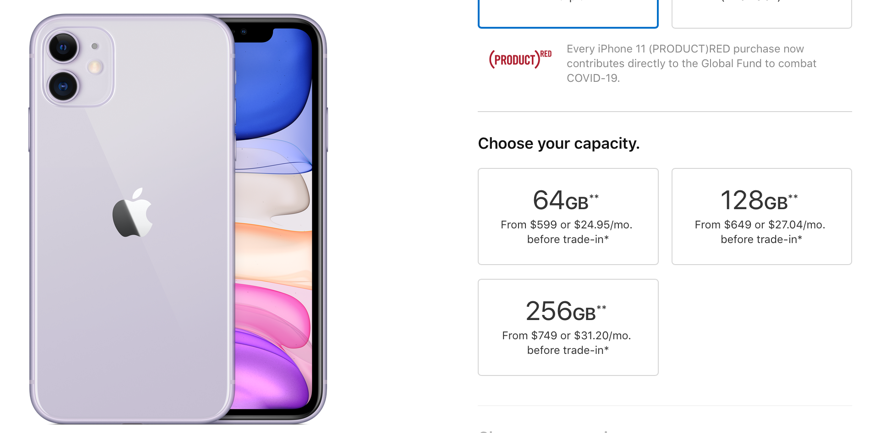
When Apple set the iPhone 11’s price at $699, they were likely banking on a combination of factors. Their pricing strategy was based on a set of assumptions, some of which were quite bold. Let’s explore these assumptions and their potential implications.
Apple offered its iPhone 11 for $699 under the presumption that users would want a sleek, powerful device. But what about the aesthetics? A great way to personalize your iPhone is with a striking wallpaper, like the the world is yours wallpaper 4k iphone. This vibrant wallpaper can really make your phone stand out, adding a touch of personality that goes beyond the basic hardware.
So, while Apple focused on the phone’s capabilities, users are free to customize their experience with eye-catching wallpapers like this one.
Assumptions Made by Apple
Apple’s pricing strategy for the iPhone 11 was based on a number of key assumptions, including:
- Strong Brand Loyalty: Apple believed that their loyal customer base would continue to purchase new iPhones, even at a higher price point. This assumption was based on the company’s strong brand image, perceived quality, and the integrated ecosystem of Apple products and services.
- Demand for Premium Features: Apple assumed that consumers would be willing to pay a premium for the iPhone 11’s features, such as its dual-camera system, A13 Bionic chip, and improved battery life. This assumption was based on the success of previous iPhone models and the growing trend of consumers seeking high-quality smartphones.
- Limited Competition: Apple likely assumed that their competitors would not be able to offer comparable features at a lower price point. This assumption was based on Apple’s control over its hardware and software, which allowed them to optimize performance and user experience.
- Market Saturation: Apple likely assumed that the smartphone market was already saturated, and that they could capture a significant share of the market by offering a premium product at a competitive price. This assumption was based on the slowing growth of the smartphone market and the increasing competition from other brands.
Risks Associated with Apple’s Assumptions, Apple offered its iphone 11 for 699 under the presumption
While Apple’s assumptions were based on sound logic, there were also some risks associated with their pricing strategy:
- Price Sensitivity: The iPhone 11’s price point was higher than previous models, and some consumers may have been price-sensitive. This could have resulted in lower sales than anticipated, especially in emerging markets where price is a key factor in purchasing decisions.
- Competition: Apple’s assumption that their competitors would not be able to offer comparable features at a lower price point was not entirely accurate. Android smartphone manufacturers have been catching up in terms of features and performance, offering compelling alternatives at lower prices.
- Economic Factors: Apple’s pricing strategy was also susceptible to economic factors, such as inflation and currency fluctuations. These factors could have negatively impacted consumer demand and sales.
- Technological Advancements: The rapid pace of technological advancements could have made the iPhone 11’s features obsolete sooner than expected. This could have led to a decline in sales as consumers opted for newer models with more advanced features.
Benefits of Apple’s Pricing Strategy
Despite the risks, Apple’s pricing strategy for the iPhone 11 also had some potential benefits:
- Profitability: The higher price point allowed Apple to generate higher profit margins per unit sold, contributing to their overall profitability.
- Brand Image: Maintaining a premium price point helped Apple maintain its image as a luxury brand, appealing to consumers who value quality and exclusivity.
- Innovation: The higher price point allowed Apple to invest more heavily in research and development, leading to the creation of new and innovative features for future iPhones.
- Market Share: Despite the risks, the iPhone 11’s pricing strategy helped Apple maintain its market share in the premium smartphone segment.
Long-Term Implications of Apple’s Pricing Strategy
Apple’s pricing strategy for the iPhone 11 has had long-term implications for the company. It has helped Apple to:
- Maintain a Strong Brand Image: Apple’s pricing strategy has helped to maintain its image as a premium brand, attracting a loyal customer base who are willing to pay a premium for Apple products.
- Invest in Innovation: Apple’s pricing strategy has allowed the company to invest heavily in research and development, leading to the creation of innovative features and technologies that have propelled Apple to the forefront of the smartphone industry.
- Generate High Profit Margins: Apple’s pricing strategy has helped the company to generate high profit margins, allowing them to reinvest in their business and continue to innovate.
Consumer Perception and Response

The iPhone 11’s price point sparked a lot of conversation among consumers. It was seen as a strategic move by Apple to capture a broader market, but how did consumers actually react? Let’s dive into the details.
Consumer Response to iPhone 11 Pricing
Consumers generally responded positively to the iPhone 11’s pricing. Many saw it as a good value proposition, especially compared to the higher prices of the iPhone Pro models. This was particularly true for those who were upgrading from older iPhones or switching from Android devices.
Factors Influencing Consumer Perception
Several key factors influenced consumer perception of the iPhone 11’s price:* Value for Money: The iPhone 11 offered a significant upgrade over previous models at a lower price point, making it an attractive option for budget-conscious consumers.
Features and Performance
The iPhone 11 boasted impressive features and performance, including a powerful A13 Bionic chip, a dual-camera system, and a long-lasting battery.
Brand Reputation
Apple enjoys a strong brand reputation for quality and innovation, which contributed to consumer trust in the iPhone 11’s value.
Marketing and Promotion
Apple’s marketing campaigns effectively highlighted the iPhone 11’s features and benefits, generating positive consumer interest.
Examples of Consumer Reactions
Here are some examples of how consumers reacted to the iPhone 11’s pricing:* Positive Feedback: Many consumers praised the iPhone 11’s value for money, stating that it offered a great balance of features and price.
Comparison to Competitors
Consumers compared the iPhone 11’s price to similar Android devices, often finding it to be a better value proposition.
Demand and Sales
The iPhone 11’s popularity was evident in its strong sales figures, indicating that consumers were willing to purchase it at the new price point.
Impact on Apple’s Future Pricing Strategies
The success of the iPhone 11’s pricing strategy likely influenced Apple’s future decisions. The company may continue to offer more affordable models to capture a wider audience while still maintaining premium pricing for its flagship devices.
Impact on Apple’s Business
The iPhone 11’s pricing strategy had a significant impact on Apple’s business, influencing both its revenue and brand image. This strategic move aimed to broaden the appeal of Apple’s flagship device, targeting a wider audience and potentially boosting sales volumes.
Revenue and Profitability
The iPhone 11’s lower price point likely led to increased sales volume, contributing to Apple’s revenue growth. While the individual profit margin per device might have been lower compared to previous models, the increased sales volume could have compensated for this, potentially leading to a positive impact on overall profitability. However, it’s crucial to consider the overall impact on Apple’s ecosystem, as lower-priced iPhones might not generate as much revenue from app purchases, subscriptions, and services compared to higher-priced models.
Brand Image and Reputation
The iPhone 11’s pricing strategy could be seen as a positive move for Apple’s brand image, demonstrating its commitment to accessibility and inclusivity. This strategy could have attracted new customers who were previously priced out of the Apple ecosystem, expanding Apple’s user base and strengthening its brand loyalty. However, some consumers might perceive the lower price point as a sign of a compromise in quality or a move to compete with lower-priced Android devices, potentially impacting Apple’s premium brand image.
Comparison with Previous iPhone Models
Compared to previous iPhone models, the iPhone 11’s pricing strategy marked a shift in Apple’s approach. Previous models were often priced at a premium, targeting a niche market of high-end consumers. The iPhone 11’s lower price point broadened its target audience, aiming to attract a wider range of consumers, including budget-conscious buyers. This shift in strategy reflects Apple’s willingness to adapt to changing market dynamics and consumer preferences.
Market Trends and Future Implications

The iPhone 11’s pricing strategy has been a hit, but Apple needs to stay ahead of the curve. The tech landscape is constantly changing, and Apple needs to adapt its pricing strategies to remain competitive.
Emerging Technologies Impact on Pricing
Emerging technologies like 5G, AI, and augmented reality (AR) are changing the way people use their smartphones. These technologies are expensive to develop and implement, and they can significantly impact the cost of producing and selling iPhones. As these technologies become more commonplace, Apple will need to decide how to incorporate them into its pricing strategies. For example, Apple could choose to increase prices to cover the cost of these new technologies, or it could offer a tiered pricing structure where higher-priced iPhones include more advanced features.
Competitive Landscape Influence on Pricing
The smartphone market is highly competitive, with numerous players vying for market share. Samsung, Google, and Huawei are just a few of the major competitors that Apple faces. These companies are constantly innovating and releasing new devices, forcing Apple to stay competitive in terms of features, performance, and pricing. As these competitors continue to offer innovative features and competitive pricing, Apple will need to adjust its pricing strategies accordingly.
Adaptation of Pricing Strategy to Future Market Conditions
Apple has a history of adjusting its pricing strategies based on market conditions. For example, in 2019, Apple lowered the price of the iPhone XR, making it more accessible to a wider range of consumers. Apple may continue to use this strategy in the future, offering lower-priced versions of its flagship iPhones to attract price-sensitive consumers. Additionally, Apple may need to consider offering subscription-based models for its iPhones, similar to what other companies are doing with software and services.
This could provide a more affordable way for consumers to access the latest iPhones and potentially increase Apple’s recurring revenue.
Clarifying Questions
What were the key assumptions behind Apple’s pricing strategy for the iPhone 11?
Apple likely assumed that a lower price point would attract a wider range of consumers, increase sales, and help maintain its market share. They also likely assumed that the iPhone 11’s features and performance would still be competitive at this price point.
How did consumers respond to the iPhone 11’s price?
Consumer response to the iPhone 11’s price was mixed. Some consumers were pleased with the lower price point, while others felt that the phone was still overpriced. The overall impact of the price on consumer perception is difficult to assess, as it likely varied based on individual preferences and market conditions.
