
- Understanding the Academic Calendar
- Key Dates and Events
- Variations Across Institutions
- 4. Impact on Student Life
- Faculty and Staff Considerations: 2024 2025 Academic Calendar
- Calendar Planning and Management
- Flexibility and Adaptability in Academic Calendars
- Trends and Future Developments in Academic Calendar Design
- Comparison to Other Calendars
- 10. Impact on Research and Innovation
- 11. Global Perspectives on Academic Calendars
- 12. Sustainability and Environmental Considerations
- Student Well-being and Mental Health
- 14. Equity and Access
- 15. Community Engagement and Partnerships
- User Queries
Get ready to hit the books, because the 2024 2025 academic calendar is here, and it’s packed with everything you need to know about the school year ahead. From semester start and end dates to exam schedules and even those precious holiday breaks, this calendar is your ultimate guide to navigating the academic landscape. Whether you’re a freshman or a seasoned senior, this calendar is your one-stop shop for all things school-related.
Think of this calendar as your personal roadmap to success. It’s the key to staying on top of your studies, managing your time, and making sure you don’t miss any important deadlines. It’s also a great resource for planning those all-important study breaks, because let’s be real, everyone needs a little time to recharge and unwind.
Understanding the Academic Calendar
The academic calendar serves as the cornerstone of the academic year, outlining the schedule for classes, exams, breaks, and other important events. It provides a structured framework for all stakeholders, including students, faculty, and administration, ensuring a smooth and efficient academic experience.
Structure and Components
Academic calendars typically follow a consistent structure, encompassing the following key components:
- Term Dates: These define the start and end dates of each academic term, such as fall, spring, and summer semesters. The calendar specifies the exact dates for the first day of classes, last day of classes, and the duration of each term.
- Holidays and Breaks: Academic calendars incorporate official holidays and breaks, including weekends, spring break, and winter break. These periods provide time for students and faculty to recharge and engage in personal activities.
- Exam Periods: Dedicated exam periods are allocated for final exams and other assessments, ensuring a structured and fair evaluation process. The calendar specifies the dates and durations of these exam periods.
- Registration Dates: The calendar Artikels the registration periods for students to enroll in courses for each term, ensuring a smooth and organized registration process.
- Important Deadlines: Academic calendars list key deadlines for various academic activities, such as assignment submissions, scholarship applications, and financial aid deadlines. This helps students and faculty stay organized and meet crucial deadlines.
Influence on Planning and Scheduling
Academic calendars play a vital role in planning and scheduling for all members of the academic community:
- Students: Students rely on the academic calendar to plan their coursework, manage their time effectively, and schedule personal commitments. They use the calendar to determine when classes start and end, identify important deadlines, and plan their breaks and holidays.
- Faculty: Faculty use the academic calendar to schedule their classes, office hours, and research activities. It provides a framework for planning their teaching load, setting deadlines for assignments, and coordinating with other faculty members.
- Institutions: Academic calendars are crucial for institutions to manage their academic operations. They determine the start and end dates of each academic term, coordinate student registration, schedule exams, and plan for administrative activities.
Key Dates and Events
The 2024-2025 academic calendar is packed with important dates and events that mark the academic journey. This section will provide a comprehensive overview of these key dates, helping you plan your semester effectively.
The 2024-2025 academic calendar, with its carefully planned breaks and deadlines, provides a structured framework for learning and growth. It’s a reminder that time, like military rank, is a valuable commodity, and its effective management is crucial. While the israeli military rank insignia may denote hierarchy and authority, the academic calendar signifies the journey of knowledge and the pursuit of personal development.
Ultimately, both systems strive to achieve order and progress, each in their own unique context.
Semester Start and End Dates
The academic year is divided into two semesters, each with its own set of deadlines and events.
| Date | Event | Description |
|---|---|---|
| [Start Date of Fall Semester] | Fall Semester Begins | Classes begin for the fall semester. |
| [End Date of Fall Semester] | Fall Semester Ends | Classes end for the fall semester. |
| [Start Date of Spring Semester] | Spring Semester Begins | Classes begin for the spring semester. |
| [End Date of Spring Semester] | Spring Semester Ends | Classes end for the spring semester. |
Registration Periods
Registration for each semester is a crucial step, allowing students to select their courses and finalize their schedules.
| Date | Event | Description |
|---|---|---|
| [Start Date of Fall Registration] | Fall Semester Registration Begins | Registration for fall semester courses opens. |
| [End Date of Fall Registration] | Fall Semester Registration Ends | Registration for fall semester courses closes. |
| [Start Date of Spring Registration] | Spring Semester Registration Begins | Registration for spring semester courses opens. |
| [End Date of Spring Registration] | Spring Semester Registration Ends | Registration for spring semester courses closes. |
Midterm and Final Exams
Midterm and final exams are integral components of the academic evaluation process.
| Date | Event | Description |
|---|---|---|
| [Start Date of Fall Midterm Exams] | Fall Semester Midterm Exams | Midterm exams for fall semester courses are held. |
| [End Date of Fall Midterm Exams] | Fall Semester Midterm Exams End | Midterm exams for fall semester courses conclude. |
| [Start Date of Fall Final Exams] | Fall Semester Final Exams | Final exams for fall semester courses are held. |
| [End Date of Fall Final Exams] | Fall Semester Final Exams End | Final exams for fall semester courses conclude. |
| [Start Date of Spring Midterm Exams] | Spring Semester Midterm Exams | Midterm exams for spring semester courses are held. |
| [End Date of Spring Midterm Exams] | Spring Semester Midterm Exams End | Midterm exams for spring semester courses conclude. |
| [Start Date of Spring Final Exams] | Spring Semester Final Exams | Final exams for spring semester courses are held. |
| [End Date of Spring Final Exams] | Spring Semester Final Exams End | Final exams for spring semester courses conclude. |
Holidays and Breaks
Holidays and breaks offer students a much-needed respite from academic pursuits.
| Date | Event | Description |
|---|---|---|
| [Date of Thanksgiving Break] | Thanksgiving Break | Classes are suspended for Thanksgiving break. |
| [Date of Winter Break] | Winter Break | Classes are suspended for winter break. |
| [Date of Spring Break] | Spring Break | Classes are suspended for spring break. |
Variations Across Institutions
Academic calendars can vary significantly across different educational institutions, reflecting their unique needs, academic structures, and regional contexts. These variations can impact key dates, such as the start and end of semesters, breaks, and holidays.
Calendar Structures
Different universities and colleges often adopt distinct calendar structures. Here are some common examples:
- Semester System: This system divides the academic year into two semesters, typically lasting around 15 weeks each. The fall semester generally starts in late August or early September and ends in December, while the spring semester starts in January and ends in May. Summer sessions may be offered between semesters.
- Quarter System: In this system, the academic year is divided into four quarters, each lasting approximately 10 weeks. This allows for more frequent course offerings and greater flexibility for students. The quarter system often features shorter breaks between quarters.
- Trimester System: This system divides the academic year into three trimesters, each lasting around 13-14 weeks. The trimester system offers more flexibility than the semester system and can allow students to complete their degrees faster.
Key Dates Variations
The specific key dates for each institution can vary significantly. Here’s a table illustrating these differences:
| Institution | Start Date of Fall Semester | End Date of Fall Semester | Start Date of Spring Semester | End Date of Spring Semester |
|---|---|---|---|---|
| University A (Semester System) | August 27 | December 14 | January 15 | May 10 |
| University B (Quarter System) | September 1 | November 22 | November 26 | February 15 |
| University C (Trimester System) | September 5 | December 19 | January 2 | April 26 |
4. Impact on Student Life
The academic calendar plays a significant role in shaping the student experience, influencing everything from course scheduling and workload to personal and professional commitments. Understanding how the calendar affects student life is crucial for both students and institutions alike.
Course Scheduling and Workload
The distribution of courses and exams throughout the semester directly impacts student workload. Some periods, such as the beginning and end of semesters, often see heavier workloads due to the concentration of deadlines and exams. This can lead to periods of intense stress and pressure, particularly for students juggling multiple courses and demanding commitments. Conversely, there are periods with more flexibility, allowing students to manage their workload more effectively.
The calendar’s influence on workload has implications for student well-being and academic performance. Students who experience consistent high levels of stress due to heavy workloads may find it challenging to maintain their focus and motivation, potentially impacting their academic performance.
Personal and Professional Commitments
The academic calendar can sometimes align with or conflict with students’ personal and professional commitments, such as part-time jobs, family obligations, and extracurricular activities. Students often employ various strategies to manage these commitments effectively, including prioritizing tasks, using time management techniques, and communicating effectively with employers and family members. However, scheduling conflicts can arise, potentially leading to missed deadlines, reduced job performance, or strained relationships.
Travel Plans and Vacations
The academic calendar significantly influences students’ ability to travel or take vacations. Students often plan their travel around academic breaks, such as spring break or winter break. However, these breaks may not always align with desired travel dates, leading to compromises or adjustments. Students commonly face challenges such as finding affordable flights and accommodations during peak travel periods, managing their workload before and after trips, and ensuring they do not miss important academic deadlines.
Faculty and Staff Considerations: 2024 2025 Academic Calendar
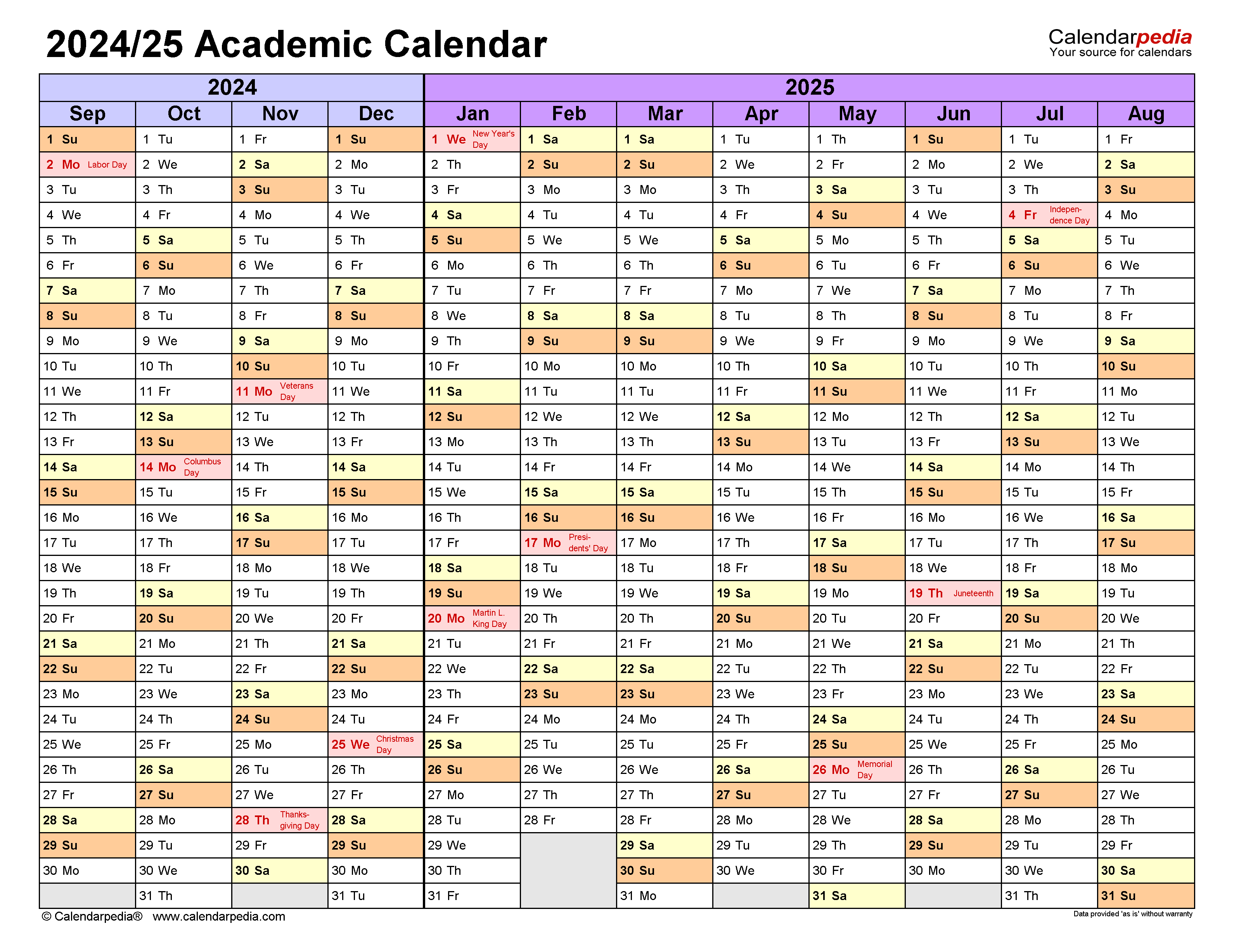
The academic calendar plays a crucial role in shaping the work lives of faculty and staff. Understanding its impact on their schedules, deadlines, and overall workload is essential for effective time management and a balanced academic year.
Teaching Schedules and Workloads
The academic calendar directly influences faculty teaching schedules and workloads. The structure of semesters, quarters, or trimesters dictates the length of courses, the number of classes taught, and the timing of breaks. Faculty must align their teaching responsibilities with the calendar’s specific dates and durations. Here are some key considerations:
- Course scheduling: Faculty need to consider the timing of their courses, ensuring they can effectively manage teaching responsibilities across different semesters or quarters.
- Workload distribution: The academic calendar helps faculty distribute their teaching workload throughout the year, allowing for periods of heavier teaching and lighter teaching, balancing preparation time with classroom time.
- Break periods: Breaks within the academic year, such as winter break or summer vacation, provide opportunities for faculty to recharge, engage in research, or pursue professional development activities.
Research Deadlines and Projects
Research is a significant part of many faculty roles, and the academic calendar often influences research deadlines and project timelines. Here’s how:
- Grant proposals: Grant proposal deadlines are often tied to the academic calendar, with specific submission windows aligning with funding cycles or university deadlines.
- Conference presentations: Faculty may need to adjust research projects to meet conference deadlines, which are often scheduled during specific periods of the academic year.
- Publication deadlines: Journal submission deadlines are often linked to academic calendars, influencing the timing of research completion and manuscript preparation.
Administrative Tasks and Deadlines
Beyond teaching and research, faculty and staff face numerous administrative tasks and deadlines that are influenced by the academic calendar. These include:
- Course registration and enrollment: Faculty need to manage course registration deadlines, ensuring students are enrolled in the appropriate classes at the start of each semester or quarter.
- Student advising and evaluations: The academic calendar dictates the timing of advising appointments, student evaluations, and other student-related administrative tasks.
- University-wide deadlines: Faculty and staff must adhere to university-wide deadlines for various administrative tasks, such as budget submissions, reporting requirements, or professional development initiatives.
Calendar Planning and Management
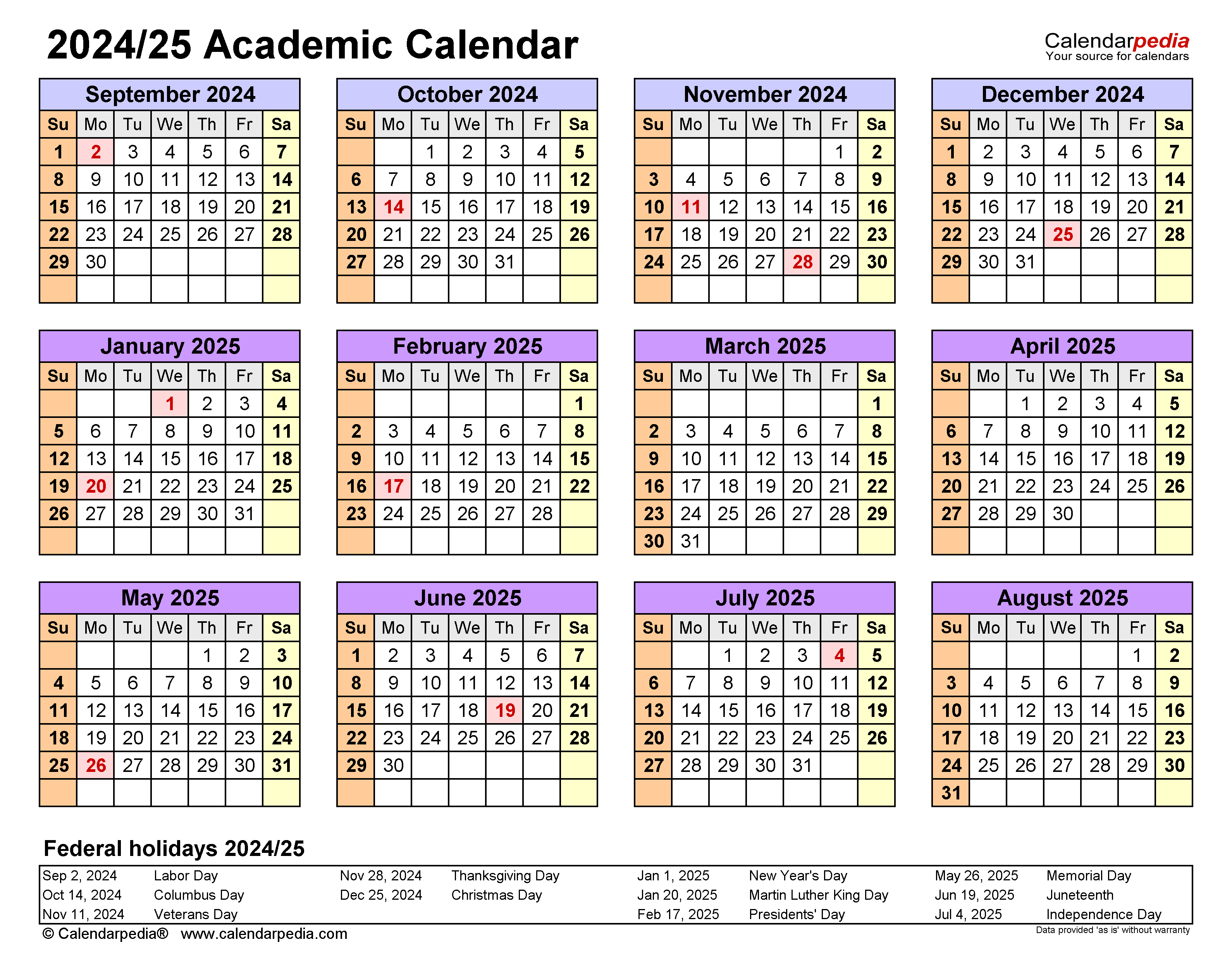
The academic calendar is your roadmap to a successful academic year. By understanding its intricacies and utilizing effective planning strategies, you can navigate the complexities of deadlines, commitments, and events. This section will provide practical tips and resources to help you plan and manage your schedule effectively.
Utilizing the Academic Calendar for Effective Planning
The academic calendar is a powerful tool for managing your time and maximizing your academic success. Here are some key strategies to leverage its potential:
- Mark Important Dates: Begin by highlighting key dates such as exam periods, assignment deadlines, project submissions, and registration periods. This will give you a clear overview of crucial milestones throughout the academic year.
- Schedule Study Time: Allocate specific time slots for studying, reviewing course materials, and completing assignments. This will help you maintain a consistent study routine and avoid last-minute cramming.
- Plan for Breaks and Downtime: Remember to schedule breaks and downtime into your schedule. Taking time to relax and recharge is essential for maintaining focus and avoiding burnout.
- Prioritize Tasks: Use the calendar to prioritize tasks based on their urgency and importance. This will help you stay organized and manage your workload effectively.
Calendar Management Resources and Tools
A wide range of resources and tools are available to assist you in managing your academic calendar effectively. These tools can help you stay organized, track deadlines, and enhance your productivity:
- Digital Calendars: Popular digital calendar applications like Google Calendar, Outlook Calendar, and Apple Calendar offer features like reminders, notifications, and synchronization across devices.
- Academic Planning Apps: Specialized apps designed for students, such as MyStudyLife, StudyBlue, and Trello, provide features for scheduling study sessions, managing assignments, and collaborating with classmates.
- University Resources: Many universities offer online calendar platforms or tools specifically designed for their students, faculty, and staff. These resources may provide access to course schedules, important announcements, and campus events.
Flexibility and Adaptability in Academic Calendars
In today’s dynamic world, educational institutions face unprecedented challenges that require flexibility and adaptability in their academic calendars. A rigid calendar, inflexible to unforeseen circumstances, can disrupt learning, compromise student well-being, and strain institutional resources. This section explores the importance of flexibility and adaptability in academic calendars, examining scenarios that highlight the need for a responsive approach.
The Importance of Flexibility and Adaptability in Academic Calendars
Flexibility and adaptability in academic calendars are crucial for ensuring a smooth and effective learning experience for students and faculty. A flexible calendar allows institutions to respond to unforeseen circumstances such as pandemics, natural disasters, or institutional policy changes, minimizing disruptions and maximizing academic continuity. This adaptability is essential for maintaining the quality of education and supporting the well-being of all stakeholders.
Scenario 1: Pandemic
Imagine a global pandemic like COVID-19 impacting a university’s academic calendar. The pandemic could lead to disruptions in course delivery, exams, and deadlines, significantly affecting the academic schedule.
- Potential Disruptions to the Academic Schedule: A pandemic could necessitate the closure of physical campuses, forcing universities to transition to online learning. This shift could pose challenges in ensuring equitable access to technology and support for all students, particularly those with limited resources or disabilities. Furthermore, the pandemic could disrupt traditional exam schedules and necessitate alternative assessment methods.
- Proposed Adjustments to the Calendar: To mitigate these disruptions, universities could consider shifting to online learning platforms, extending deadlines, adjusting break periods, and offering flexible course scheduling options. These adjustments could ensure that students have sufficient time to adapt to the new learning environment and complete their academic requirements.
- Impact on Different Stakeholders: The impact of these adjustments would vary depending on the stakeholder. Students might need additional support and guidance to navigate online learning, while faculty would need to adapt their teaching methods and provide adequate online support. Staff would be required to adjust their work processes to accommodate the new learning environment and provide technical support.
Scenario 2: Natural Disaster
Envision a major natural disaster, such as an earthquake or hurricane, affecting a university campus. The disaster could cause significant damage to campus facilities, disrupting academic operations and impacting student and faculty safety.
- Potential Damage to Campus Facilities and Impact on Academic Operations: A natural disaster could lead to the closure of buildings, damage to classrooms, and disruptions to power and internet services. This could force the university to temporarily relocate classes, suspend academic activities, and implement alternative assessment methods.
- Practical Modifications to the Academic Calendar: To address these challenges, universities could temporarily relocate classes to alternative facilities, suspend classes for a designated period, and implement alternative assessment methods such as online exams or project-based assignments. These modifications would need to be aligned with the university’s disaster recovery plan, ensuring the safety and well-being of all stakeholders.
- Feasibility and Effectiveness of Modifications: The feasibility and effectiveness of these modifications would depend on the severity of the disaster, the availability of resources, and the university’s preparedness plan. Effective communication and coordination between university leadership, faculty, and staff would be crucial for a smooth and timely response to the disaster.
Scenario 3: Institutional Policy Changes
Consider a sudden change in institutional policy that necessitates adjustments to the academic calendar, such as new curriculum requirements or mandatory training programs. These policy changes could significantly impact course offerings, student workload, and faculty workload.
- Potential Challenges and Opportunities Presented by the Policy Change: The implementation of new curriculum requirements or mandatory training programs could present both challenges and opportunities. The new requirements might necessitate the addition of new courses, the revision of existing courses, or the adjustment of course registration periods. However, these changes could also provide opportunities for academic innovation and the development of new skills for students and faculty.
- Modifications to the Academic Calendar to Accommodate the New Policy: To accommodate the new policy, universities could add new course sections, adjust course registration periods, schedule dedicated time for training, and provide flexible course scheduling options. These modifications would need to be carefully planned and implemented to ensure that the changes are feasible and effective.
- Impact of Modifications on Student Workload and Faculty Workload: The impact of these modifications on student and faculty workload would depend on the nature and scope of the policy change. New curriculum requirements could increase student workload, while mandatory training programs could add to faculty workload. Universities would need to carefully assess the impact of these changes and provide adequate support to students and faculty.
Trends and Future Developments in Academic Calendar Design
The academic calendar, once a rigid structure, is undergoing a significant transformation, driven by evolving learning needs, technological advancements, and a desire for greater flexibility. This chapter delves into the emerging trends and future developments in academic calendar design, exploring how institutions are adapting to meet the demands of a changing educational landscape.
Emerging Trends in Academic Calendar Design
The traditional semester system, with its fixed start and end dates, is increasingly being challenged by more flexible and personalized models. This shift reflects a growing recognition that a one-size-fits-all approach to academic scheduling is no longer sufficient to meet the diverse needs of students, faculty, and institutions.
- Flexible and Personalized Calendar Models: Competency-based learning and micro-credentialing programs are gaining traction, allowing students to progress at their own pace and acquire specific skills relevant to their career goals. These models often necessitate flexible calendar structures that accommodate individualized learning pathways. For example, institutions like Western Governors University (WGU) have adopted competency-based models, offering flexible scheduling and allowing students to complete courses at their own pace, leading to a more personalized learning experience.
- Year-Round Schooling: The adoption of year-round schooling is on the rise, driven by a desire to improve student learning outcomes and address concerns about summer learning loss. While year-round schooling offers potential benefits, such as more frequent breaks and opportunities for individualized instruction, it also raises questions about student well-being and the potential for burnout. For instance, the San Diego Unified School District, California, implemented a year-round calendar, resulting in improved student performance and reduced summer learning loss.
- Semester vs. Trimester Systems: The debate between semester and trimester systems continues, with each approach offering distinct advantages and disadvantages. Semester systems, with two long semesters, provide more time for in-depth course coverage, while trimester systems, with three shorter semesters, offer greater flexibility and potentially faster program completion. Universities like Stanford and MIT utilize the semester system, emphasizing in-depth learning and research opportunities, while institutions like the University of Texas at Austin employ the trimester system, enabling students to complete their degrees faster.
- Data Analytics in Calendar Design: Data analytics plays an increasingly vital role in optimizing academic calendar design. Institutions are leveraging student performance data, resource utilization metrics, and other relevant information to identify patterns, predict demand, and make informed decisions about course scheduling, faculty workloads, and resource allocation. For example, the University of California, Berkeley, uses data analytics to optimize course scheduling, considering factors like student enrollment trends, faculty availability, and classroom capacity.
Future Developments and Innovations
The future of academic calendar design is likely to be shaped by advancements in technology and a growing emphasis on personalized learning experiences. These developments hold the potential to revolutionize how we think about and structure academic time.
- Artificial Intelligence in Calendar Design: Artificial intelligence (AI) is poised to play a transformative role in academic calendar design. AI-powered systems can analyze vast amounts of data, identify student learning patterns, and personalize learning pathways. For example, AI-powered platforms can analyze student learning data to create personalized schedules that optimize learning outcomes and account for individual learning styles.
- Blended Learning Models: The increasing popularity of blended learning models, which combine online and in-person instruction, is influencing academic calendar structures. Blended learning models offer flexibility and accessibility, enabling students to learn at their own pace and in different settings. For instance, institutions like Arizona State University have adopted blended learning models, offering a mix of online and in-person courses, which allows for greater flexibility in course scheduling and student access.
- Modularized Learning Experiences: Modularized learning experiences, where students can choose individual modules or units of study, are gaining traction. This approach offers greater flexibility and allows students to customize their learning paths, focusing on areas of particular interest or career relevance. For example, institutions like the University of Phoenix have implemented modularized learning programs, enabling students to earn credit for specific skills or knowledge units, allowing for greater flexibility and personalization.
- Faculty Workload Management: As academic calendars evolve, innovative approaches to faculty workload management are crucial. Institutions are exploring strategies to balance teaching responsibilities with research, service, and professional development opportunities. For example, some universities are implementing flexible work schedules for faculty, allowing for greater autonomy in scheduling teaching and research activities.
Impact of Technology and Online Learning
The rise of online learning platforms and the increasing prevalence of remote learning have profoundly impacted academic calendar design. Technology has opened up new possibilities for flexibility and accessibility, while also presenting challenges in terms of maintaining student engagement and ensuring equitable access to learning opportunities.
- Online Learning Platforms and Calendar Design: Online learning platforms have significantly influenced the design and implementation of academic calendars. These platforms offer asynchronous learning opportunities, allowing students to access course materials and complete assignments at their own pace and on their own schedules. For example, platforms like Coursera and edX offer a wide range of online courses, often with flexible scheduling and self-paced learning options.
- Remote Learning and Calendar Structures: Remote learning has presented both challenges and opportunities for calendar structures. While remote learning offers flexibility and accessibility, it also requires institutions to carefully consider factors like student engagement, technical support, and the potential for digital divide. For instance, during the COVID-19 pandemic, many universities transitioned to remote learning, necessitating adjustments to academic calendars to accommodate online instruction and assessment.
- Flexible Scheduling and Asynchronous Learning: Flexible scheduling and asynchronous learning options are increasingly important for addressing the needs of diverse student populations. These approaches allow students to balance their studies with work, family commitments, and other responsibilities. For example, institutions are offering more online courses and flexible scheduling options, enabling students to access education while managing their personal and professional obligations.
- Technology-Enabled Assessment Tools: Technology-enabled assessment tools are playing a crucial role in informing academic calendar design and evaluation. These tools provide real-time data on student performance, allowing institutions to identify areas where adjustments to the calendar or instructional strategies may be needed. For example, online learning platforms often include built-in assessment tools that provide data on student progress and engagement, enabling instructors to adjust their teaching approaches and course schedules accordingly.
Comparison to Other Calendars
The academic calendar, with its unique structure and rhythm, stands out amongst other calendar types. Understanding how it compares to business, government, and personal calendars helps us appreciate its distinctive features and challenges.
Business Calendars
Business calendars are primarily driven by profit maximization and market demands. They often follow a fiscal year, which may not align with the academic year.
- Focus on Fiscal Year: Business calendars typically operate on a fiscal year, often starting in April or July, aligning with their financial reporting cycles.
- Market-Driven Schedules: Business schedules are highly responsive to market fluctuations and seasonal trends. This can lead to intense periods of activity followed by slower periods.
- Emphasis on Productivity: Business calendars prioritize productivity and efficiency, with a focus on maximizing output within specific timeframes.
Government Calendars
Government calendars are influenced by legislative processes, elections, and public service delivery. They often have fixed dates for key events, such as budget cycles and elections.
- Legislative Cycles: Government calendars are heavily influenced by legislative sessions, which can impact the availability of resources and decision-making processes.
- Fixed Dates for Elections: Elections, at both national and local levels, are significant events that influence government calendars.
- Public Service Delivery: Government calendars must accommodate the delivery of essential public services, such as healthcare, education, and infrastructure development.
Personal Calendars
Personal calendars are highly individualistic and reflect personal priorities, commitments, and lifestyles. They often include a mix of work, social, and personal events.
- Individualized Scheduling: Personal calendars are tailored to individual needs and preferences, encompassing a wide range of activities and appointments.
- Flexibility and Adaptability: Personal calendars are often more flexible and adaptable than other calendar types, allowing for changes and adjustments based on individual circumstances.
- Balancing Work and Life: Personal calendars often reflect the challenge of balancing work, family, social, and personal commitments.
10. Impact on Research and Innovation
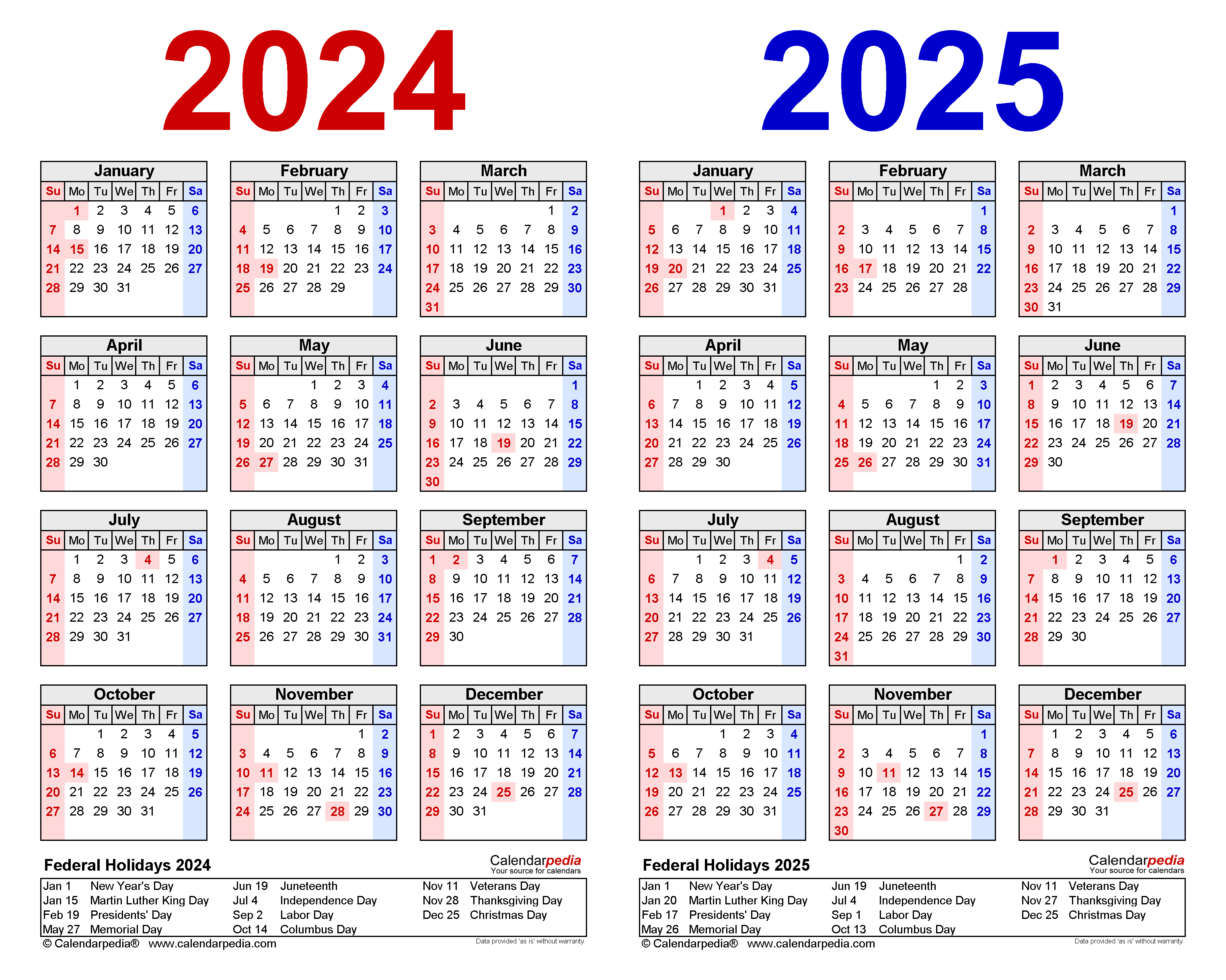
The academic calendar, with its rhythm of semesters, trimesters, or quarters, exerts a profound influence on the landscape of research and innovation. Its structure dictates the availability of researchers, access to resources, and the timing of critical research milestones, ultimately shaping the pace and productivity of scientific endeavors.
Research Activities and Innovation
The academic calendar’s influence on research activities is multifaceted. The traditional semester system, for instance, can create periods of intense activity followed by breaks, potentially impacting the continuity of research projects. The availability of research personnel, often composed of students and faculty, fluctuates with the academic calendar, as teaching obligations and exams take precedence during certain periods. Similarly, access to research resources, such as laboratory equipment and facilities, may be limited during periods of high student activity or during breaks.
Fieldwork and experiments, requiring dedicated time and resources, are often planned around the academic calendar, potentially leading to delays or disruptions.The calendar’s structure can also introduce biases into research outcomes. For example, studies conducted during periods of high student involvement may be influenced by the availability of research assistants or the intensity of research activity. Additionally, the timing of data collection and analysis can be affected by the academic calendar, potentially leading to seasonal variations in research findings.
Calendar Structures and Research Timing
Different calendar structures have varying impacts on research timing. Semester systems, with their two extended breaks, offer opportunities for researchers to focus on intensive research activities during these periods. Trimester systems, with their shorter breaks, may promote a more continuous flow of research, but could also lead to scheduling challenges for researchers who need to align their work with other institutions using different calendar structures.
Quarter systems, with their shorter terms and more frequent breaks, offer flexibility for researchers to adjust their schedules, but may require more frequent project planning and coordination.The academic calendar also influences the scheduling of conferences and research meetings, which are crucial for fostering collaboration and disseminating research findings. The timing of these events, often coinciding with academic breaks or semester ends, can impact the participation of researchers who are engaged in teaching or other academic obligations.Aligning research cycles with academic calendar cycles can offer advantages, such as synchronized deadlines for grant proposals, data collection, and publication submissions.
However, it can also limit flexibility and create challenges for researchers working on projects that require extended periods of uninterrupted research.
Institutional Adaptation for Research
Recognizing the impact of the academic calendar on research, some institutions have adopted strategies to enhance research productivity. These include:
- Extended research breaks: Institutions offer extended breaks during the summer or winter, allowing researchers to dedicate more time to their projects without the distractions of teaching or administrative responsibilities.
- Flexible course scheduling: Institutions offer flexible course scheduling options, such as evening or weekend classes, allowing faculty members to allocate more time for research during the academic year.
- Dedicated research semesters: Institutions designate specific semesters for focused research activity, allowing faculty members to dedicate their full attention to research projects.
The effectiveness of these adaptations in enhancing research output and innovation varies depending on the specific institution and its research priorities. However, these strategies demonstrate a growing awareness of the need to create an academic environment that supports research excellence.
11. Global Perspectives on Academic Calendars
Academic calendars are not standardized globally. Each country and region adopts a calendar structure that best aligns with its cultural, economic, and social contexts. This section explores the diverse academic calendar structures around the world, highlighting the factors that shape them and their implications for international collaboration.
Comparing Academic Calendars Across Countries
The academic calendar structures of different countries and regions vary significantly. This table provides a comparison of three distinct regions:
| Country/Region | Start Date | End Date | Holidays | School Year Length | Terms/Semesters |
|---|---|---|---|---|---|
| United States | Late August/Early September | Late May/Early June | Thanksgiving, Christmas, Spring Break | Approximately 180 days | Two semesters |
| United Kingdom | Early September | Late June/Early July | Christmas, Easter, Summer Holidays | Approximately 190 days | Three terms |
| Japan | Early April | Late March | Golden Week, Summer Vacation, Winter Break | Approximately 240 days | Two semesters |
Factors Influencing Academic Calendar Structures
Several factors influence the academic calendar structure in a specific country or region. These factors can be categorized as follows:
- Climate: In regions with extreme weather conditions, the school year may be adjusted to avoid harsh temperatures. For example, in countries with hot summers, schools may operate on a shorter schedule during the summer months.
- Religious Observances: Religious holidays are often incorporated into academic calendars. For instance, in countries with a significant Muslim population, the school year may be adjusted to accommodate Ramadan.
- Cultural Traditions: Cultural traditions can also influence the timing of the school year. For example, in some countries, the school year may coincide with the agricultural cycle, allowing students to participate in farming activities.
- Economic Factors: Economic activities, such as tourism or seasonal employment, may impact the timing of the school year. For instance, in countries with a strong tourism industry, schools may be closed during peak tourist seasons.
- Political Considerations: Political events or policies can also affect the school calendar. For example, in countries with a history of political instability, schools may be closed for extended periods due to security concerns.
Impact of Globalization on Academic Calendars
Globalization has significantly impacted academic calendars, leading to increased mobility, international programs, and efforts towards harmonization.
- Increased Mobility: The increased mobility of students and faculty has created a need for more flexible academic calendars. Universities are increasingly offering programs that allow students to study abroad or transfer credits between institutions with different calendar structures.
- International Programs: International programs and collaborations have also impacted academic calendars. Universities are increasingly offering joint degrees and research collaborations that require students and faculty to coordinate across different calendar systems.
- Harmonization of Calendars: Some efforts are being made to harmonize academic calendars across countries or regions. For example, the European Union has encouraged universities to adopt a common calendar structure to facilitate student and faculty mobility.
- Challenges to Collaboration: However, differing academic calendars can pose challenges to international collaboration. For instance, students may have difficulty transferring credits between institutions with different calendar structures, and faculty may struggle to coordinate research projects across different time zones.
- Future Trends: In the future, academic calendars are likely to become more flexible and adaptable to accommodate the needs of a globalized world. Universities may adopt hybrid calendar structures that combine elements of different systems, or they may offer more online programs that are not bound by traditional calendar structures.
12. Sustainability and Environmental Considerations
The academic calendar, with its intricate scheduling of semesters, breaks, and events, has a significant impact on the environment. Understanding this impact is crucial for institutions to implement sustainable practices and minimize their environmental footprint.
Environmental Impact Analysis
The environmental impact of academic calendars can be analyzed by examining key aspects such as energy consumption, travel and transportation, and waste generation.
| Aspect | Description | Potential Impact |
|---|---|---|
| Energy Consumption | Energy used for heating, cooling, lighting, and powering buildings and equipment. | Increased greenhouse gas emissions, higher energy bills, and dependence on fossil fuels. |
| Travel and Transportation | Student and faculty travel to and from campus, commuting, and air travel for conferences and research. | Carbon emissions from vehicles, traffic congestion, and air pollution. |
| Waste Generation | Waste produced by students, faculty, and staff, including paper, plastic, food waste, and electronic waste. | Landfill space, pollution from waste disposal, and resource depletion. |
Sustainable Practices
Institutions can adopt a variety of sustainable practices to mitigate the environmental impact of their academic calendars.
Sustainable practices are essential for reducing the environmental footprint of academic calendars and promoting a greener campus environment.
- Energy Efficiency: Implement energy-saving technologies like LED lighting and smart thermostats. Encourage faculty and staff to turn off lights and electronics when not in use. Promote energy audits and building retrofits.
- Sustainable Transportation: Encourage public transportation, cycling, and walking. Offer incentives for carpooling and vanpooling. Reduce the need for travel by promoting virtual meetings and online learning.
- Waste Reduction and Recycling: Implement comprehensive waste management programs with recycling and composting. Promote reusable materials and reduce single-use plastics. Educate students and staff about responsible waste disposal.
- Green Procurement: Purchase environmentally friendly products and services. Prioritize sustainable sourcing and ethical production practices.
Recommendations for [Insert Specific Institution or University]
Based on the analysis, here are specific recommendations for implementing sustainable practices within the academic calendar at [Insert Specific Institution or University]:
- Conduct a comprehensive energy audit of all campus buildings and identify areas for improvement in energy efficiency. Implement energy-saving measures such as LED lighting upgrades, smart thermostats, and building envelope improvements.
- Develop a comprehensive transportation plan that encourages sustainable modes of transportation. This plan should include incentives for public transportation, cycling, and walking, as well as carpooling and vanpooling programs. Explore the feasibility of implementing a bike-sharing program on campus.
- Implement a robust waste management program with comprehensive recycling and composting initiatives. Provide clear signage and educational materials to students and staff about proper waste disposal. Consider partnering with local organizations to manage compost collection and distribution.
- Develop a green procurement policy that prioritizes environmentally friendly products and services. Encourage departments to purchase recycled paper, energy-efficient appliances, and sustainable furniture. Conduct regular reviews of procurement practices to ensure alignment with sustainability goals.
- Promote awareness about sustainability issues through campus-wide campaigns and events. Engage students, faculty, and staff in discussions about environmental responsibility and the importance of sustainable practices. Encourage student-led initiatives to promote sustainable behavior.
Student Well-being and Mental Health
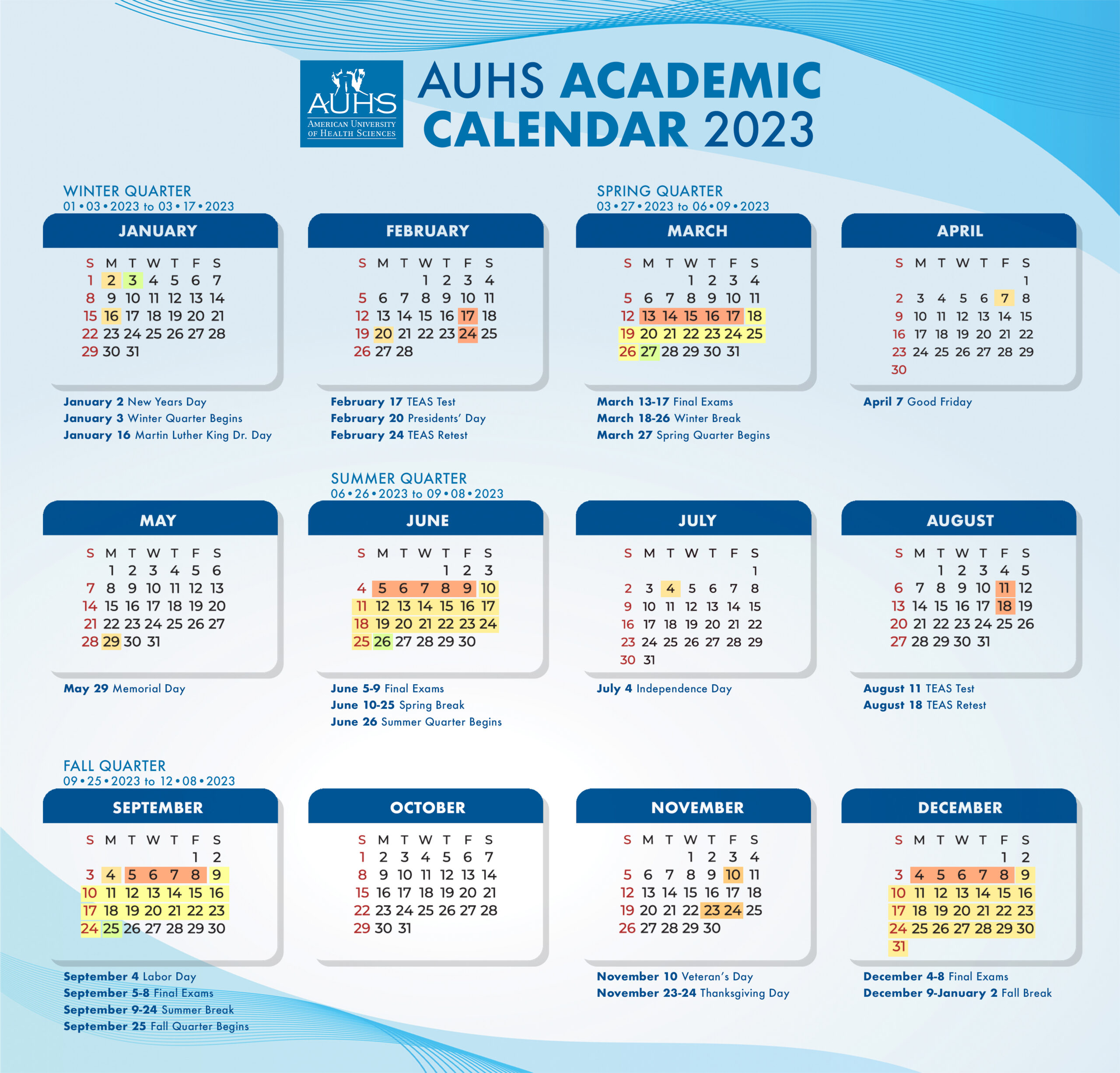
The academic calendar, with its structured semesters, deadlines, and exams, significantly impacts student well-being and mental health. While it provides a framework for learning, it can also contribute to stress, anxiety, and burnout if not carefully managed. This section delves into the relationship between academic calendars and student mental health, exploring factors that contribute to stress and burnout, strategies for promoting student well-being, and the role of institutions in supporting student mental health.
Factors Contributing to Stress and Burnout
The academic calendar can create a cycle of intense periods of academic pressure followed by short breaks. This pattern can contribute to stress and burnout, especially when combined with other factors such as:
- Heavy Course Load: A demanding academic schedule with numerous courses, assignments, and exams can lead to overwhelming workload and time constraints.
- Financial Strain: The cost of education, including tuition, books, and living expenses, can add significant financial pressure, affecting students’ mental well-being.
- Social Isolation: The academic calendar can sometimes lead to social isolation, as students dedicate long hours to studies and assignments, limiting their time for social interactions.
- Lack of Sleep: The pressure to meet deadlines and study for exams can often lead to sleep deprivation, which further exacerbates stress and negatively impacts mental health.
- Perfectionism: Students striving for high grades and academic success may experience pressure and anxiety due to unrealistic expectations, leading to feelings of inadequacy and burnout.
Strategies for Promoting Student Well-being
Institutions can play a crucial role in promoting student well-being by implementing strategies that address the factors contributing to stress and burnout.
- Flexible Course Schedules: Offering flexible course schedules, including online and evening classes, can allow students to manage their studies while balancing other commitments.
- Reduced Course Load: Encouraging students to take fewer courses per semester can reduce the overall workload and provide more time for rest and relaxation.
- Financial Aid and Support: Providing financial aid, scholarships, and other support programs can alleviate financial stress and enable students to focus on their studies.
- Student Support Services: Establishing comprehensive student support services, such as counseling centers, academic advising, and peer support groups, can provide students with resources to manage stress, cope with academic challenges, and improve their mental well-being.
- Stress Management Workshops: Offering workshops and programs on stress management, time management, and mindfulness techniques can equip students with tools to manage academic pressure and improve their overall well-being.
The Role of Institutions in Supporting Student Mental Health, 2024 2025 academic calendar
Institutions have a responsibility to prioritize student mental health and create a supportive environment that fosters well-being.
- Mental Health Awareness Programs: Implementing mental health awareness programs that educate students about mental health issues, reduce stigma, and encourage help-seeking behavior.
- Increased Access to Mental Health Services: Ensuring easy access to mental health services, such as counseling and therapy, through readily available resources and reduced wait times.
- Integration of Mental Health into Curriculum: Incorporating mental health awareness and well-being strategies into the curriculum, promoting self-care, and addressing the impact of stress on academic performance.
- Creating a Supportive Campus Culture: Cultivating a campus culture that prioritizes mental health, encourages open communication, and fosters a sense of belonging among students.
14. Equity and Access
The design of an academic calendar can significantly impact the accessibility and equity of education for students from diverse backgrounds and with varying needs. This section delves into the intricate relationship between calendar structures and equitable access, exploring the potential benefits and drawbacks of different calendar models.
Calendar Design and Equity
A well-designed academic calendar can promote equity and access by providing a structure that accommodates the diverse needs of students. However, certain calendar models can unintentionally create barriers to participation and academic success for specific student populations. For instance, the semester system, a widely adopted model, has both advantages and disadvantages in terms of equity.
- The semester system, with its longer breaks, can provide opportunities for students to engage in internships, research, or other enriching experiences that might not be feasible during shorter breaks.
- However, the longer semesters can pose challenges for students with family obligations or work commitments, who may struggle to balance their academic responsibilities with their personal lives.
- Furthermore, the semester system’s rigid structure can be inflexible for students with disabilities who require accommodations or adjustments to their learning environment.
Impact of Calendar Structures on Students
The impact of calendar structures on students can vary significantly depending on their individual circumstances. For example, early start dates can be challenging for students with family obligations, such as those who need to care for children or elderly relatives. Extended breaks, while beneficial for some, can disrupt the flow of learning for students who require consistent academic engagement. Shortened semesters, while potentially accommodating for students with work commitments, can increase the workload and pressure on students, potentially leading to burnout.
- Early start dates can present a significant challenge for students with family obligations, such as those who need to care for children or elderly relatives. The early start can clash with family commitments, making it difficult for students to balance their academic responsibilities with their family obligations.
- Extended breaks, while beneficial for some, can disrupt the flow of learning for students who require consistent academic engagement. These students may find it difficult to maintain their academic momentum and motivation during extended breaks, potentially leading to a decline in their academic performance.
- Shortened semesters, while potentially accommodating for students with work commitments, can increase the workload and pressure on students, potentially leading to burnout. The compressed timeframe can make it difficult for students to manage their workload effectively, especially if they have other commitments outside of their studies.
Strategies for Equitable Access
To ensure equitable access to educational opportunities, institutions can implement various strategies within the framework of the academic calendar. These strategies aim to address the diverse needs of students, fostering an inclusive learning environment.
- Tutoring Services: Providing readily accessible tutoring services can help students who struggle with specific subjects or concepts, ensuring that all students have an equal opportunity to succeed.
- Flexible Scheduling Options: Offering flexible scheduling options, such as evening or weekend classes, can accommodate the needs of students with work commitments or family obligations, allowing them to pursue their education without compromising their other responsibilities.
- Inclusive Course Design: Designing courses with inclusive principles in mind can cater to the diverse learning styles and needs of students, promoting equitable access to learning materials and opportunities.
Writing Assignment
As a member of a committee tasked with designing a new academic calendar for an institution, I propose a calendar structure that prioritizes equity and access for all students. Drawing on research and examples from the field of educational equity, I recommend a blended calendar model that combines the benefits of both semester and trimester systems, offering flexibility and adaptability for diverse student populations.
- This blended model would feature shorter semesters with more frequent breaks, allowing students to maintain a consistent flow of learning while accommodating their personal commitments.
- It would also incorporate flexible scheduling options, such as evening and weekend classes, to cater to the needs of students with work commitments or family obligations.
- Additionally, the calendar would be designed with accessibility in mind, incorporating inclusive course design principles and providing readily accessible support services, such as tutoring and disability services.
15. Community Engagement and Partnerships
Academic calendars play a pivotal role in fostering community engagement, influencing the opportunities for institutions to connect with local communities and organizations. The timing of breaks, semesters, and holidays significantly impacts the potential for collaborative projects and initiatives.
Academic Calendars and Community Engagement
The academic calendar’s structure directly impacts the opportunities for community engagement. Different periods within the calendar present unique possibilities for collaboration.
Table: Community Engagement Potential During Different Periods
| Period | Potential for Community Engagement | Examples ||—|—|—|| Summer Break | High | Volunteering programs, summer camps, community outreach projects, internships || Winter Break | Moderate | Holiday-themed events, service learning projects, cultural exchanges || Spring Semester | Moderate | Community service days, collaborative research projects, guest lectures |
Example: Successful Community Engagement Initiative
The University of Michigan’s “Community Engagement Month” in October exemplifies the successful utilization of a specific period within the academic calendar to facilitate community engagement. The month-long initiative involves various events, workshops, and service opportunities, encouraging students, faculty, and staff to participate in community service projects and learn about local issues. This initiative fosters a sense of shared responsibility and strengthens the university’s connection with the surrounding community.
Collaborative Opportunities
Institutions can leverage the academic calendar to create numerous collaborative opportunities with local communities and organizations. These opportunities benefit both the institution and the community by fostering knowledge sharing, promoting civic engagement, and addressing real-world challenges.
1. Service Learning Projects
Description
Service learning projects integrate community service with academic learning, allowing students to apply their knowledge and skills to address community needs while gaining valuable real-world experience.
Example
The University of California, Berkeley’s “CalSERVE” program connects students with local non-profit organizations, providing opportunities for service learning projects in areas like environmental sustainability, education, and social justice.
2. Joint Research Initiatives
Description
Collaborative research initiatives bring together faculty, students, and community members to address pressing community issues through research and data analysis.
Example
The University of Washington’s “Community-Based Research Initiative” partners with local organizations to conduct research on issues such as homelessness, healthcare disparities, and environmental pollution.
3. Community Outreach Programs
Description
Community outreach programs involve sharing the institution’s resources and expertise with the community through workshops, seminars, and public lectures.
Example
The Massachusetts Institute of Technology’s “MIT OpenCourseware” initiative provides free access to MIT course materials, making knowledge accessible to a wider audience and fostering community engagement.
Successful Initiatives
Numerous successful community engagement initiatives have been implemented in conjunction with the academic calendar. These initiatives demonstrate the positive impact of integrating community engagement into the institution’s activities.
1. “Community Days” at the University of Texas at Austin
Description
The University of Texas at Austin hosts “Community Days” throughout the academic year, providing opportunities for students, faculty, and staff to volunteer in various community service projects.
Impact
These events have significantly increased student engagement in community service, strengthened the university’s relationship with local organizations, and contributed to addressing community needs.
Quote
“Community Days have been a transformative experience for me. It’s amazing to see how the university comes together to support the community, and I’m proud to be a part of it.”
University of Texas at Austin student.
2. “Partners in Education” Program at the University of Maryland
Description
The “Partners in Education” program at the University of Maryland connects university students with local schools, providing mentoring and tutoring support to students in underserved communities.
Impact
This program has significantly improved student academic performance in participating schools, fostered positive relationships between university students and local youth, and created a sense of shared responsibility for educational equity.
Quote
“The ‘Partners in Education’ program has been a rewarding experience. I’ve witnessed firsthand the positive impact of mentoring on students’ lives, and it’s been incredibly fulfilling to be a part of their journey.”
University of Maryland student.
3. “Community Engagement Center” at the University of California, Los Angeles
Description
The University of California, Los Angeles established a “Community Engagement Center” to serve as a hub for community-based research, service learning, and outreach initiatives.
Impact
The center has facilitated numerous collaborative projects between the university and local organizations, leading to tangible improvements in community well-being, economic development, and social justice.
Quote
“The Community Engagement Center has been instrumental in connecting the university with the community. It has created a platform for collaboration and has facilitated impactful initiatives that address real-world challenges.”
Community leader partnering with UCLA.
User Queries
What are the key dates for the 2024-2025 academic year?
The key dates for the 2024-2025 academic year will vary depending on the institution. Check your school’s website or student portal for a detailed calendar.
How can I manage my time effectively with the academic calendar?
Use the calendar to plan your study schedule, set deadlines for assignments, and mark important events like exams and holidays. You can also use calendar apps or online tools to help you stay organized.
What are the different academic calendar models?
The most common academic calendar models are the semester system, the quarter system, and the trimester system. Each model has its own advantages and disadvantages.
How can I stay updated on any changes to the academic calendar?
Your school will likely send out announcements or updates through email, your student portal, or other communication channels. It’s important to stay informed about any changes.
